14 citations
,
May 2022 in “Cell Reports” Basal cell carcinomas need extra mutations to grow from small to large tumors.
 6 citations
,
July 2013 in “Experimental and Therapeutic Medicine”
6 citations
,
July 2013 in “Experimental and Therapeutic Medicine” Ginsenoside Rg1 protects mouse skin from UVB damage and helps control inflammation.
April 2010 in “The FASEB Journal” Knockout mice showed anemia and hair loss, suggesting other ways exist for iron absorption.
7 citations
,
November 1997 in “Reproduction Fertility and Development” Epidermal growth factor disrupts hair and gland formation in bandicoots.
 2 citations
,
October 1990 in “The Lancet”
2 citations
,
October 1990 in “The Lancet” Some people have a genetic variation that makes them less effective at breaking down drugs.
 December 2024 in “Indian Journal of Dermatology Venereology and Leprology”
 Atypical male hair loss may not respond to usual treatments.
 January 2005 in “Translational and Clinical Pharmacology”
 HDMHG0401-10 improves hair loss in men with androgenetic alopecia and has no major side effects.
 April 2023 in “Journal of Investigative Dermatology”
 MPZL3 protein helps control the size of oil glands and the growth of oil-producing cells in both mice and humans.
July 2024 in “Reactions Weekly” Topical GT20029 effectively promotes hair regrowth and is well-tolerated.
4 citations
,
January 1982 in “Neuroendocrinology” Dopamine affects coat color changes in agouti mice.
September 2025 in “OPAL (Open@LaTrobe) (La Trobe University)” The treatments stopped hair regrowth in mice.
 September 2025 in “Arthritis Research & Therapy”
 BMS-470539 reduces skin fibrosis and inflammation.
137 citations
,
December 2006 in “Arthritis Research & Therapy” Mycophenolate mofetil is safer and more effective than cyclophosphamide for treating lupus nephritis.
October 2025 in “Animals” miR-200a reduces goose fibroblast growth by targeting PITX2 in the Wnt pathway.
 September 2022 in “bioRxiv (Cold Spring Harbor Laboratory)”
 A parasite-derived molecule speeds up skin healing and affects immune cell behavior without increasing scarring.
 2 citations
,
November 2022 in “Skin research and technology”
2 citations
,
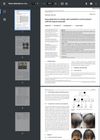
November 2022 in “Skin research and technology” 5% topical minoxidil improves hair density and quality in monilethrix patients.
11 citations
,
November 2022 in “Frontiers in Oncology” Research on non-muscle invasive bladder cancer has increased, with the U.S. leading, and highlights effective treatments like BCG despite some side effects.
13 citations
,
October 2007 in “Bulletin of the Korean Chemical Society” Mollugin may help treat diseases and boost hair growth and anti-aging.
 1 citations
,
December 2023 in “Cutis”
1 citations
,
December 2023 in “Cutis” Toluidine blue helps accurately diagnose and treat certain skin tumors in surgery.
32 citations
,
January 2000 in “Human Heredity” Monilethrix severity varies and may be influenced by other genetic or environmental factors.
 9 citations
,
February 2012 in “Cancer Chemotherapy and Pharmacology”
9 citations
,
February 2012 in “Cancer Chemotherapy and Pharmacology” The combination of gemcitabine and vinorelbine is effective and safe for treating elderly patients with advanced breast cancer previously treated with anthracyclines and taxanes.
March 2026 in “ACS Applied Materials & Interfaces” MCP@G improves diabetic wound healing by reducing stress and promoting tissue repair.
 3 citations
,
January 2024 in “In Vivo”
3 citations
,
January 2024 in “In Vivo” Methionine is essential for hair maintenance in C57BL/6 mice.
2 citations
,
August 2020 in “CRC Press eBooks” Tabby mutations in mice affect hair follicle development and help study genetic mapping and certain medical conditions.
33 citations
,
November 2007 in “JAT. Journal of applied toxicology/Journal of applied toxicology” Human scalp hair on mice can effectively monitor mercury exposure.
694 citations
,
April 2000 in “Nature genetics” Msx2 deficiency in mice leads to bone growth and organ development problems.
 January 2025 in “HemaSphere”
 The term "low-risk" in myelodysplastic syndrome is misleading and should be changed to better reflect patient experiences and needs.
 23 citations
,
January 2016 in “Theranostics”
23 citations
,
January 2016 in “Theranostics” Minoxidil-coated microbubbles with sonication effectively enhance hair growth.
November 2020 in “Дерматовенерология, косметология” The M-type is the most common form of male hair loss, and the BASP-classification is easy for different medical professionals to use.