June 2026 in “Journal of Cosmetic Dermatology” Hair mesotherapy with peptides and nutrients improves hair growth in androgenetic alopecia.

Microneedling may improve quality of life and reduce inflammation in frontal fibrosing alopecia.
 5 citations
,
June 2023 in “Engineering Technology & Applied Science Research”
5 citations
,
June 2023 in “Engineering Technology & Applied Science Research” The AI model accurately classifies Alopecia Areata with 96.94% accuracy.
August 2025 in “International Journal of Biological Macromolecules” A new hydrogel can kill resistant bacteria and help heal infected burn wounds.
March 2026 in “Journal of Aesthetic Nursing” Combining PRP and minoxidil works best for treating male hair loss.
21 citations
,
May 2024 in “American Journal of Medical Genetics Part A” Myhre syndrome symptoms worsen over time, with specific genetic variants affecting severity.
 January 2022 in “Social Science Research Network”
 The Ar/miR-221/IGF-1 pathway is involved in male pattern baldness, with miR-221 potentially being a new target for treatment.
July 1999 in “Journal of the American Academy of Dermatology”  24 citations
,
September 2020 in “Dermatology and therapy”
24 citations
,
September 2020 in “Dermatology and therapy” Oral minoxidil 5 mg daily increases hair growth safely in men with hair loss, with minor side effects.
333 citations
,
March 2000 in “Proceedings of the National Academy of Sciences” Overexpressing GLI-1 in mice skin can cause tumors like human basal cell carcinomas.
 November 2018 in “Biomedical Journal of Scientific and Technical Research”
 Long-Acting Platelet Rich Plasma therapy can effectively reduce hair shedding, thicken hair, and promote new growth in women with pattern hair loss.
 November 2024 in “Circulation”
 GLP1-RAs may have higher reports of suicide and hair loss, but no strong evidence links them to these issues.

Glycyrrhizic acid and licorice extract can significantly reduce unwanted hair growth.
16 citations
,
August 2000 in “British Journal of Dermatology” Removing the liver tumor improved the patient's skin condition and hair growth.
 5 citations
,
January 1998 in “Clinical and experimental dermatology”
5 citations
,
January 1998 in “Clinical and experimental dermatology” Myotonic dystrophy should be considered in patients with hair thinning, and genetic counseling is important.
 August 2024 in “International Journal of Molecular Sciences”
 Androgenetic alopecia involves immune cell disruptions, especially increased CD4+ T cells around hair follicles.
The new minoxidil gel reduces runoff and improves eyebrow hair growth.
 1 citations
,
January 2019 in “International Journal of Medical Reviews and Case Reports”
1 citations
,
January 2019 in “International Journal of Medical Reviews and Case Reports” Treatment with moisturizers improved the skin condition of a girl with a rare genetic skin disorder.
 May 2015 in “Journal of The American Academy of Dermatology”
 Mycophenolate mofetil may improve symptoms and stop hair loss in Lichen planopilaris, but more research is needed.
MTX and GC combinations are the most effective for early rheumatoid arthritis.

GLP-1 receptor agonists increase the risk of hair loss, mainly due to weight loss-related nutrient deficiency.
 2 citations
,
January 2023 in “International Journal of Biological Sciences”
2 citations
,
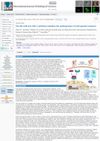
January 2023 in “International Journal of Biological Sciences” A specific pathway involving AR, miR-221, and IGF-1 plays a key role in causing common hair loss.
 September 2022 in “Intisasi sains media”
 A young child with complete hair loss improved significantly with a combination of hair growth treatments and laser therapy.
 11 citations
,
October 2017 in “Oncotarget”
11 citations
,
October 2017 in “Oncotarget” Gsdma3 affects hair growth by controlling Wnt5a, which influences hair cell development.

Melatonin and photobiomodulation are effective for treating Alopecia X in German Spitz dogs.
2 citations
,
May 2022 in “Journal of Industrial and Engineering Chemistry” Minoxidil-loaded nanoparticles effectively promote hair regrowth and are safe for use.
 May 2026 in “Journal of Asia Pacific Aesthetic Sciences”
 Low-dose intralesional corticosteroid treatment led to rapid hair regrowth in localized alopecia areata.
 September 2024 in “Journal of the American Academy of Dermatology”
 Minoxidil helps hair regrowth and has anti-aging effects on hair follicles.
Fractional CO2 laser is more effective and safer than steroid injections for treating alopecia areata.
 50 citations
,
July 2000 in “Dermatologic Surgery”
50 citations
,
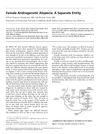
July 2000 in “Dermatologic Surgery” Female and male AGA are different diseases.