 35 citations
,
August 2010 in “The American journal of pathology”
35 citations
,
August 2010 in “The American journal of pathology” Researchers created a new mouse model for studying Citrullinemia Type I and similar conditions, showing symptoms and treatment responses like those in humans.
23 citations
,
December 2008 in “Pediatric neurology” The document adds two cases of Gomez-Lopez-Hernandez syndrome and suggests including trigeminal anesthesia and scalp alopecia as key diagnostic criteria.
 June 2017 in “Acta Scientiae Veterinariae”
 A cat with a rare pancreatic tumor and diabetes died despite treatment, showing similar symptoms to a human condition.
 4 citations
,
October 2022 in “Journal of Biomedical Materials Research Part A”
4 citations
,
October 2022 in “Journal of Biomedical Materials Research Part A” Magnesium oxide-infused membranes help heal wounds faster by reducing inflammation and promoting skin and hair follicle growth.
 10 citations
,
July 2013 in “British Journal of Dermatology”
10 citations
,
July 2013 in “British Journal of Dermatology” High MUC-18/MCAM levels in blood indicate a worse outlook for melanoma patients.
186 citations
,
October 1957 in “A M A Archives of Dermatology” Alopecia mucinosa is a challenging condition with unclear diagnosis and treatment.
7 citations
,
January 2008 in “Indian Journal of Dermatology” Pigmentary mosaicism causes skin color changes and can affect multiple body systems, but has no cure.
 April 2017 in “Journal of Investigative Dermatology”
 A boy with Oculodentodigital syndrome had a unique GJA1 gene mutation causing his symptoms.
69 citations
,
May 1997 in “Veterinary Pathology” The angora mouse mutation causes long hair and hair defects due to a gene deletion.
 41 citations
,
June 2003 in “Journal of The American Academy of Dermatology”
41 citations
,
June 2003 in “Journal of The American Academy of Dermatology” Long-term minoxidil use can cause pseudoacromegaly, but stopping it improves symptoms.
14 citations
,
October 2017 in “Gene Expression Patterns” A new mouse model helps study melanocyte cells using GFP expression.
 6 citations
,
November 2018 in “Histochemistry and Cell Biology”
6 citations
,
November 2018 in “Histochemistry and Cell Biology” Mongolian gerbils heal wounds differently than mice, with unique protein levels and gene expression that affect skin repair.
14 citations
,
February 1991 in “FEBS Letters” Introducing the rat OTC gene partially corrected OTC deficiency in mice.
December 2025 in “Journal of Drug Delivery Science and Technology” Combining minoxidil with ginsenoside Rg3 and glycyrrhizic acid offers a more effective treatment for androgenic alopecia.
 4 citations
,
February 2022 in “International Journal of Molecular Sciences”
4 citations
,
February 2022 in “International Journal of Molecular Sciences” Myotonic Dystrophy may age cells faster, and drugs that target aging could be potential treatments.
 130 citations
,
September 2018 in “Cell Reports”
130 citations
,
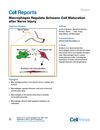
September 2018 in “Cell Reports” Macrophages help heal nerves by aiding the maturation of Schwann cells and are important for nerve repair.
 June 2024 in “Neuromuscular Disorders”
 Baricitinib successfully treated myasthenia gravis and alopecia in a patient.
April 2019 in “Journal of the Endocrine Society” Androgens and estrogens are crucial for insulin secretion in males.
9 citations
,
May 2021 in “Frontiers in aging neuroscience” Taking triterpenoids from Ganoderma lucidum over a long time can help slow down brain aging and improve overall health in mice.
 1 citations
,
March 2020 in “Functional foods in health and disease/Journal of functional foods in health & disease”
1 citations
,
March 2020 in “Functional foods in health and disease/Journal of functional foods in health & disease” OM-X® helped prevent negative effects of Vitamin C deficiency in mice, suggesting it could protect organs and regulate metabolism.
2 citations
,
February 2012 in “PubMed” Gp₄G promotes hair growth and improves skin health.
1 citations
,
March 2007 in “Journal of Chinese Integrative Medicine” HXBSM boosts blood vessel growth and hair growth in mice.
 April 2026 in “Human Genome Variation”
 The MBTPS2 gene variant c.970+5G>A is a common mutation causing IFAP syndrome.
 October 2023 in “Al-Kauniyah”
 Gibbons at Tegal Alur Animal Rescue Center need better feed management to improve their health and weight.
2 citations
,
May 2023 in “International Journal of Molecular Sciences” Gene expression in hair follicles can help diagnose methamphetamine use disorder.
 January 2024 in “International Journal of Trichology”
 Combining microneedling with glycosaminoglycan lotion may improve hair growth in mild androgenetic alopecia.
 1 citations
,
January 2000 in “Journal of pharmacopuncture”
1 citations
,
January 2000 in “Journal of pharmacopuncture” Microneedle Therapy System effectively treats acne, scars, and hair loss safely.
2 citations
,
January 1998 in “Neurourology and Urodynamics” AMN can cause bladder problems due to nerve damage.
January 2000 in “Neuroscience Research”  October 2021 in “Journal of Investigative Dermatology”
 The study concluded that the developed models are effective for studying hair growth mechanisms and testing new treatments.