 21 citations
,
April 1982 in “Genetics Research”
21 citations
,
April 1982 in “Genetics Research” Mice with the naked gene have missing or abnormal hair cells.
 5 citations
,
January 2020 in “The mental health clinician”
5 citations
,
January 2020 in “The mental health clinician” Vitamin D supplements may reduce hair-pulling in people with Trichotillomania.
 3 citations
,
May 2023 in “Frontiers in immunology”
3 citations
,
May 2023 in “Frontiers in immunology” Faulty inflammasome activation may lead to autoimmune skin diseases and could be a target for new treatments.
 89 citations
,
January 2013 in “Acta dermato-venereologica”
89 citations
,
January 2013 in “Acta dermato-venereologica” The document concludes that dandruff and seborrheic dermatitis are linked to inflammation and skin changes, and treating them with specific shampoos can reduce these issues.
 149 citations
,
July 2002 in “Dermatologic clinics”
149 citations
,
July 2002 in “Dermatologic clinics” Patients with certain skin symptoms and high ANA titers should be monitored for potential systemic lupus.
 116 citations
,
August 2010 in “Nature”
116 citations
,
August 2010 in “Nature” Scientists turned rat thymus cells into stem cells that can help repair skin and hair.
 82 citations
,
March 2016 in “Autoimmunity reviews”
82 citations
,
March 2016 in “Autoimmunity reviews” Animal models have helped understand hair loss from alopecia areata and find new treatments.
 45 citations
,
October 2014 in “Stem cell research & therapy”
45 citations
,
October 2014 in “Stem cell research & therapy” Modified rat stem cells on a special scaffold improved blood vessel formation and wound healing in skin substitutes.
 30 citations
,
September 2003 in “Experimental Dermatology”
30 citations
,
September 2003 in “Experimental Dermatology” Minoxidil helps prevent stress-caused hair loss in mice.
 26 citations
,
June 2018 in “The journal of immunology/The Journal of immunology”
26 citations
,
June 2018 in “The journal of immunology/The Journal of immunology” AIRE-deficient rats developed severe autoimmune disease similar to APECED, useful for testing treatments.
 23 citations
,
June 2003 in “Journal of Investigative Dermatology Symposium Proceedings”
23 citations
,
June 2003 in “Journal of Investigative Dermatology Symposium Proceedings” Alopecia Areata is an autoimmune disease affecting hair follicles, influenced by genetic and environmental factors, with rodent models being essential for research.
 18 citations
,
January 2017 in “Annals of dermatology/Annals of Dermatology”
18 citations
,
January 2017 in “Annals of dermatology/Annals of Dermatology” Certain immune cells contribute to severe hair loss in chronic alopecia areata, with Th17 cells possibly having a bigger impact than cytotoxic T cells.
 11 citations
,
April 2015 in “EBioMedicine”
11 citations
,
April 2015 in “EBioMedicine” JAK inhibitors may help treat Alopecia Areata but need careful monitoring due to side effects.
 7 citations
,
June 2019 in “Cureus”
7 citations
,
June 2019 in “Cureus” Fractional lasers and microneedling, combined with topical agents, could potentially treat Alopecia Areata effectively, but more research is needed due to limited data.
 2 citations
,
January 2019 in “Annals of Dermatology”
2 citations
,
January 2019 in “Annals of Dermatology” Certain gene variations in EGF and EGFR may increase the risk of alopecia areata in Koreans.
 2 citations
,
November 2014 in “The journal of investigative dermatology/Journal of investigative dermatology”
2 citations
,
November 2014 in “The journal of investigative dermatology/Journal of investigative dermatology” Oral tofacitinib can treat both psoriasis and alopecia universalis by normalizing inflammatory pathways.
 1 citations
,
October 2025 in “Cureus”
1 citations
,
October 2025 in “Cureus” Ritlecitinib may cause severe musculoskeletal pain in some alopecia universalis patients.
 1 citations
,
January 2014 in “Hair therapy & transplantation”
1 citations
,
January 2014 in “Hair therapy & transplantation” Platelet-rich plasma treatment is not very effective for chronic severe alopecia areata.
 November 2025 in “Clinical Cosmetic and Investigational Dermatology”
 Tofacitinib is effective and safe for treating severe alopecia areata.
 January 2025 in “SKIN The Journal of Cutaneous Medicine”
 Calcipotriol's effectiveness for treating alopecia areata is unclear and needs more research.
 October 2023 in “Frontiers in medicine”
 Targeted immunotherapy could be a promising new treatment for hair regrowth.
 October 2022 in “The Egyptian Journal of Hospital Medicine”
 Topical corticosteroids are the preferred first treatment for children with Alopecia Areata.
 January 2022 in “Skin appendage disorders”
 A woman with alopecia totalis regrew dark hair in bands after using a corticosteroid ointment.
 April 2021 in “Journal of Investigative Dermatology”
 IL-15 helps protect hair follicles from immune attacks and encourages hair growth.
 April 2021 in “Journal of Investigative Dermatology”
 People with atopic dermatitis have more CD4+ T cells that respond to a certain bacterial lipid, which may play a role in the skin condition's inflammation.
 April 2021 in “Journal of Investigative Dermatology”
 The new skin-targeted COVID-19 vaccine creates strong immune responses and could improve vaccination methods.
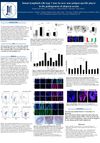
Innate lymphoid cells type 1 may contribute to alopecia areata by damaging hair follicles.
 September 2009 in “European Urology Supplements”
 IGRT resulted in lower acute toxicity for stage III prostate cancer patients.
 January 2020 in “Annals of the Academy of Romanian Scientists Series of Medicine”
 Folliculitis decalvans is a rare skin disease causing hair loss and requires personalized treatment.
 191 citations
,
May 2018 in “British journal of dermatology/British journal of dermatology, Supplement”
191 citations
,
May 2018 in “British journal of dermatology/British journal of dermatology, Supplement” Alopecia areata is likely an autoimmune disease with unclear triggers, involving various immune cells and molecules, and currently has no cure.