Search
for
Sort by
Research
360-390 / 1000+ results
research Radiofrequency Microneedling-Mediated Enhancement in Percutaneous Delivery of Topical Triamcinolone Acetonide: An In Vivo Quantitative Study
Radiofrequency microneedling improves the absorption of topical triamcinolone acetonide, especially with deeper needle insertion.

research Bracketed Stability Evaluation of Topical Minoxidil and Finasteride in Foamil®.
The minoxidil and finasteride foam remains stable and effective for 180 days at room temperature.
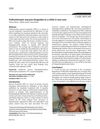
research Folliculotropic mycosis fungoides in a child: a rare case
Folliculotropic mycosis fungoides can occur in children and is diagnosed with specific tests, but often stays in early stages with treatment.

research Alopecia Associated with Fluconazole Therapy
Taking fluconazole for fungal infections might cause hair loss after about 3 months.

research Anti-MRSA malleable liposomes carrying chloramphenicol for ameliorating hair follicle targeting
DA liposomes with chloramphenicol effectively target hair follicles and combat MRSA with minimal skin toxicity.

research Efficacy of tofacitinib as an induction agent in severe alopecia areata compared to oral betamethasone weekly pulse
Tofacitinib is effective for severe alopecia areata, similar to oral betamethasone.
research Tinea Capitis Kerion Type: A Case Report
Griseofulvin effectively treats tinea capitis kerion type.
research The efficacy of adding topical 5‐fluorouracil to micro‐needling in the treatment of vitiligo: A randomized controlled trial
Micro-needling with 5-FU is more effective for vitiligo than tacrolimus alone.
research Kerion caused by Trichophyton tonsurans in an infant
A baby girl's severe scalp infection caused by a fungus was cured with oral and topical antifungal medications.

research 554 Repurposing a clinical antimalarial for the therapeutic induction of lethal ER stress targeting BRAF-kinase inhibitor-resistant malignant melanoma
Mefloquine, an antimalarial drug, is effective in killing melanoma cells resistant to other treatments by causing lethal stress in the cells.
research Alfatradiol/minoxidil/trichofoam
research Tofacitinib for the Treatment of Three Immune-mediated Conditions in One Patient: Ulcerative Colitis, Pyoderma Gangrenosum, and Alopecia Areata
Tofacitinib improved ulcerative colitis, skin ulcers, and hair loss in a patient who didn't respond well to other treatments.
research A randomized, double-blind controlled clinical study to evaluate the efficacy and safety of minoxidil topical 2% nanosuspension with aqueous base in the treatment of androgenetic alopecia areata
The 2% minoxidil nanosuspension is as effective as the commercial product but safer and easier to use.
research The clinical features and histopathologic patterns of folliculotropic mycosis fungoides in a series of 38 cases
Recognizing diverse presentations of folliculotropic mycosis fungoides is crucial to avoid diagnostic errors.
research Follicular mycosis fungoides associated with lithium
Lithium can cause skin changes similar to mycosis fungoides.
research Proliferative and necrotizing otitis externa in four cats
Topical 0.1% tacrolimus significantly improved ear infections in cats.
research Optimizing Efficacy: Hyaluronic Acid Liposomes Encapsulating Minoxidil for Enhanced Transdermal Delivery and Treatment of Androgenetic Alopecia
A new method using hyaluronic acid liposomes improves Minoxidil's effectiveness and safety for hair growth treatment.

research 1311 Efficacy of topical tofacitinib in promoting hair growth in non-scarring alopecia
Topical tofacitinib is effective in promoting hair growth for non-scarring alopecia.

research Novel skin patch combining human fibroblast-derived matrix and ciprofloxacin for infected wound healing
The new skin patch with human matrix and antibiotic improves wound healing.
research Tinea capitis in adults
Adults with persistent scalp issues unresponsive to typical treatments should be tested for the fungal infection tinea capitis to start the right antifungal medication.
research Case 7
The dog had a good prognosis with proper treatment and cleaning.
research Revival of favus in Japan caused by Trichophyton schoenleinii
Favus, a rare fungal infection, has reappeared in Japan.
research Clinical and Cure Profile of Tinea Capitis Patients
Most tinea capitis patients were young boys with cat contact, had scaly patches caused by Microsporum canis, and improved with griseofulvin treatment.

research Methotrexate/tacrolimus/voriconazole
A 65-year-old man developed a serious skin cancer linked to a drug he was taking for a fungal infection after a bone marrow transplant.

research The successful treatment of nephrogenic fibrosing dermopathy (NFD) with mycophenolate mofetil (MMF)
Mycophenolate mofetil improved skin condition in a man with nephrogenic fibrosing dermopathy.
research An Unusual Case of Mycosis Fungoides Presenting with Multiple Atypical Morphologies in a Photoexacerbated Distribution
Mycosis fungoides can have unusual symptoms and may be misdiagnosed, but specific cell markers might suggest a lower risk of worsening.
research P075 A randomized controlled trial comparing the efficacy and safety of oral tofacitinib vs. methotrexate in moderate-to-severe alopecia areata
Tofacitinib was more effective than methotrexate for treating alopecia areata.
research UJI AKTIVITAS ANTIFUNGI EKSTRAK ETANOL DAUN PANDAN WANGI (Pandanus amaryllifolius) DALAM MENGHAMBAT PERTUMBUHAN Pityrosporum ovale SEBAGAI SALAH SATU JAMUR PENYEBAB KETOMBE
Fragrant pandan leaf extract can inhibit dandruff-causing fungus, especially at higher concentrations.
research New insights on dandruff/seborrhoeic dermatitis: the role of the scalp follicular infundibulum in effective treatment strategies
Effective dandruff treatment requires delivering antifungal agents to the scalp follicular infundibulum.