 3 citations
,
March 2019 in “Case Reports”
3 citations
,
March 2019 in “Case Reports” A man with myotonic dystrophy type 1 had 28 skin cancers, suggesting a link between the disease and skin cancer, emphasizing the need for sun protection and regular skin checks.
 January 2021 in “Victoria University Research Repository (Victoria University)”
 High-intensity interval training (HIIT) is better than moderate-intensity continuous training (MICT) for improving health in overweight women with PCOS.
 4 citations
,
February 2016 in “Clinical Pharmacology & Therapeutics”
4 citations
,
February 2016 in “Clinical Pharmacology & Therapeutics” Hair follicle samples effectively show how well the drug MK-0752 targets and engages with the Notch pathway.
36 citations
,
January 2016 in “The journal of investigative dermatology/Journal of investigative dermatology” The document concludes that understanding genetic mutations in the PI3K-AKT-mTOR pathway can lead to better diagnosis and treatment for certain genetic skin disorders.
68 citations
,
August 2009 in “American Journal of Medical Genetics Part A” A new classification for trichothiodystrophy helps identify genetic causes and potential treatments.
 November 2022 in “bioRxiv (Cold Spring Harbor Laboratory)”
 MOF controls skin development by regulating genes for mitochondria and cilia.
 October 2014 in “Journal of Minimally Invasive Gynecology”
 Genetic testing for cancer risk can lead to early and life-saving treatments in people without symptoms.
June 2025 in “British Journal of Dermatology” A rare skin condition in a boy is likely due to a specific genetic mutation pattern.
36 citations
,
September 2015 in “Orphanet Journal of Rare Diseases” Revertant cell therapy could be a future treatment for Ichthyosis with confetti.
September 2023 in “International journal of molecular sciences” Targeting lipid metabolism can help treat advanced, resistant cancers.
 August 2023 in “International Journal of Molecular Sciences”
 The human scalp hair bulb contains different types of melanocytes with varying abilities to produce melanin.
 4 citations
,
January 2011 in “Annals of Dermatology”
4 citations
,
January 2011 in “Annals of Dermatology” Researchers found a new mutation in the HR gene linked to a rare hair loss condition.
 2 citations
,
February 2022 in “Human Gene Therapy”
2 citations
,
February 2022 in “Human Gene Therapy” Increasing miR-149 reduces hair follicle stem cell growth and hair development by affecting certain cell growth pathways.
 39 citations
,
March 2008 in “Journal of biological chemistry/The Journal of biological chemistry”
39 citations
,
March 2008 in “Journal of biological chemistry/The Journal of biological chemistry” GLI2 increases follistatin production in human skin cells.
23 citations
,
January 2017 in “BMC Medical Genetics” A new CDH3 gene mutation was found in a Spanish patient with sparse hair and eye issues.
 15 citations
,
April 2019 in “Journal of Cellular Biochemistry”
15 citations
,
April 2019 in “Journal of Cellular Biochemistry” Certain blood miRNAs are linked to severe alopecia areata and could lead to new treatments.

Inhibiting AP-1 changes skin tumor types and affects tumor cell identity.
April 2021 in “Institutional Repositories DataBase (IRDB)” High-intensity red LED light boosts bone cell growth and mineralization.
January 2010 in “Acta Laboratorium Animalis Scientia Sinica” The UHS promoter is specific to mouse hair follicles.
 August 2023 in “The journal of investigative dermatology/Journal of investigative dermatology”
 Longer immunotherapy treatment may improve outcomes for Merkel cell carcinoma patients.
October 2014 in “Cancer research” Blocking mTORC1 reduces skin tumor growth in mice.
48 citations
,
September 2020 in “Frontiers in Immunology” Loss of OGG1 increases skin inflammation and auto-antibodies in lupus.
 17 citations
,
August 2018 in “BMC Genomics”
17 citations
,
August 2018 in “BMC Genomics” The HOXC13 gene affects different hair proteins in cashmere goats in varied ways and is controlled by a feedback loop and other factors.
7 citations
,
October 2011 in “BMC Cancer” Overexpression of HDGF in melanocytes does not cause cancer.
32 citations
,
January 2000 in “International Journal of Cancer” Transglutaminase-3 is often reduced in esophageal cancer.
January 2013 in “University Libraries (University of Maryland)” Selenium helps protect cells from aging and damage, especially under stress.
October 2024 in “Journal of Cosmetic Dermatology” Reducing miR-30a-5p helps hair follicle stem cells grow and survive.
 1 citations
,
December 2023 in “Indian Dermatology Online Journal”
1 citations
,
December 2023 in “Indian Dermatology Online Journal” Steatocystoma multiplex causes recurring skin cysts and needs early recognition for better management.
 15 citations
,
January 2014 in “Medicinal chemistry”
15 citations
,
January 2014 in “Medicinal chemistry” Some new isatin compounds could be strong cancer-fighting drugs because they fit well in cancer-related proteins and have good drug-like properties.
 January 2017 in “NASA Technical Reports Server (NASA)”
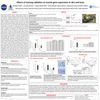
 Early changes in skin gene expression can predict later bone mass loss after radiation exposure.