9 citations
,
April 2019 in “Bioscience, biotechnology, and biochemistry” Ten miRNAs may play key roles in starting secondary hair follicle development in sheep foetuses.
101 citations
,
September 2006 in “Journal of Biological Chemistry” Human mitochondrial DNA polymerase makes very few errors, crucial for preventing degenerative diseases.
26 citations
,
December 1990 in “Journal of Biological Chemistry” Two specific genes are more active during hair growth in mice.
 7 citations
,
June 2021 in “Amino acids”
7 citations
,
June 2021 in “Amino acids” Human hair protein modifications could potentially indicate heart disease risk.
 April 2016 in “Journal of Investigative Dermatology”
 Tumor cell adhesion is linked to higher risk of SLN metastasis and melanoma recurrence, and a model including these factors predicts these outcomes better than one with just clinical data.

Pangenome analysis reveals key genes for pig adaptation and traits, aiding genetic improvement.
Genetic differences may influence male pattern hair loss in Russians.
 432 citations
,
April 2014 in “Nature communications”
432 citations
,
April 2014 in “Nature communications” A mother's diet at conception can cause lasting genetic changes in her child.

BLTP1 and KIF27 gene mutations can help breed better wool sheep.
 5 citations
,
January 2016 in “Genetics and molecular research”
5 citations
,
January 2016 in “Genetics and molecular research” Certain genetic variations in the A2M gene are linked to better milk quality in Murrah buffaloes.
2 citations
,
August 2022 in “Animals” Different versions of the KRTAP6-2 gene in goats can lead to thinner cashmere fibers.

The study found genetic variations in sheep linked to traits like milk production, growth, and health.
 37 citations
,
October 2015 in “European Journal of Human Genetics”
37 citations
,
October 2015 in “European Journal of Human Genetics” Genetic data can predict male-pattern baldness with moderate accuracy, especially for early-onset cases in some European men.
 27 citations
,
July 2017 in “European Journal of Dermatology”
27 citations
,
July 2017 in “European Journal of Dermatology” Certain microRNAs are linked to various skin diseases and could be used to diagnose and treat these conditions.
 15 citations
,
April 2019 in “Journal of Cellular Biochemistry”
15 citations
,
April 2019 in “Journal of Cellular Biochemistry” Certain blood miRNAs are linked to severe alopecia areata and could lead to new treatments.
2 citations
,
November 2024 in “In Silico Pharmacology”  December 2025 in “International Journal For Multidisciplinary Research”
 Microscopic hair analysis is important in forensics but has limitations; new technologies are improving its accuracy.
March 2005 in “Journal of the American Academy of Dermatology” Recognizing minor skin lesions can help identify serious cancer syndromes.
January 2004 in “Molecular biotechnology” May 2010 in “Europe PMC (PubMed Central)” Near-infrared probes can safely and effectively image cysteine protease activity for disease diagnosis.
 17 citations
,
June 2019 in “BMC genomics”
17 citations
,
June 2019 in “BMC genomics” Non-coding RNAs help control hair growth in cashmere goats.
1 citations
,
February 1991 in “Journal of Biological Chemistry”  April 2019 in “Journal of Investigative Dermatology”
 The search scheme SMRI is faster and more secure for retrieving encrypted data from the cloud.
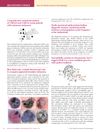 January 2012 in “Journal of Investigative Dermatology”
 Some Greek melanoma patients have gene mutations linked to increased cancer risk, a new color feature helps diagnose melanoma, the incidence of a skin condition in the Netherlands is rare, and a gene possibly affects male-pattern baldness.
2 citations
,
November 1996 in “PubMed” Most people have similar hair protein patterns, but a rare variant was found in two women.
2 citations
,
December 2024 in “Journal of Cosmetic Dermatology” SNP profiling allows personalized skincare treatments for better results and fewer side effects.
August 2025 in “BMC Research Notes” iPSC lines from different tissues share a common miRNA profile, supporting their pluripotent nature.
 7 citations
,
December 2014 in “Journal of dermatology”
7 citations
,
December 2014 in “Journal of dermatology” Hair shaft miR-221 levels can help detect malignant melanoma.
 December 2023 in “Forensic science international. Genetics”
 The RapidHIT ID system can effectively get DNA profiles from hair roots with enough cells.
 August 2016 in “Journal of Investigative Dermatology”
 The research found that certain microRNAs are important for human hair growth and health.