 2 citations
,
September 2004 in “Fertility and sterility”
2 citations
,
September 2004 in “Fertility and sterility” High androgen levels can cause excessive hair growth and may indicate serious health issues, including heart disease and fertility problems.
 378 citations
,
November 2011 in “Human reproduction update”
378 citations
,
November 2011 in “Human reproduction update” Experts recommend using evidence-based methods to diagnose and treat hirsutism, focusing on symptoms and underlying causes.
 82 citations
,
May 2016 in “Best Practice & Research in Clinical Obstetrics & Gynaecology”
82 citations
,
May 2016 in “Best Practice & Research in Clinical Obstetrics & Gynaecology” The conclusion is that managing androgen excess requires long-term treatment, including hormonal contraceptives and androgen blockers, with follow-up after six months.
 2 citations
,
November 2020 in “Fertility Research and Practice”
2 citations
,
November 2020 in “Fertility Research and Practice” The survey helps identify menstrual irregularities and excess male hormones, aiming to detect conditions like Polycystic Ovary Syndrome.
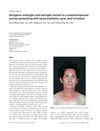 August 2009 in “International Journal of Dermatology”
 A postmenopausal woman's facial redness, acne, and excess hair were caused by too much hormone therapy for insomnia, but improved after stopping the treatment.
 343 citations
,
October 2015 in “Endocrine Practice”
343 citations
,
October 2015 in “Endocrine Practice” The guide recommends specific methods for diagnosing PCOS and various treatments for its symptoms, while considering the health impacts on adolescents.
 16 citations
,
April 2007 in “Journal of Obstetrics and Gynaecology Research”
16 citations
,
April 2007 in “Journal of Obstetrics and Gynaecology Research” Prostate-specific antigen may be a new marker for excess male hormones in women with polycystic ovary syndrome.
 5 citations
,
December 2004 in “Dermatology”
5 citations
,
December 2004 in “Dermatology” Two women with very high androgen levels had only slight skin issues, one due to a non-classical adrenal disorder and the other due to an adrenal tumor.
 5 citations
,
January 2017 in “Acta Endocrinologica”
5 citations
,
January 2017 in “Acta Endocrinologica” High androgen levels in postmenopausal women may suggest an ovarian tumor, and removing it can improve heart and metabolic health.
 February 2023 in “Frontiers in Endocrinology”
 Too much male hormone in mothers can negatively affect the sexual behavior of both male and female baby mice.
 14 citations
,
March 2022 in “Clinical Endocrinology”
14 citations
,
March 2022 in “Clinical Endocrinology” The document concludes that a systematic approach is crucial to identify causes of androgen excess in women beyond the most common cause, Polycystic ovary syndrome (PCOS).
3 citations
,
May 2025 in “Clinical Endocrinology” Evaluate and manage androgen excess in women with a systematic approach, considering both physical and psychological impacts.
 14 citations
,
December 2010 in “Seminars in Oncology”
14 citations
,
December 2010 in “Seminars in Oncology” Rare adrenal cancers that secrete androgens or estrogens have a poor prognosis and are treated primarily with surgery.
January 2025 in “Human Reproduction Open” 25% of premenopausal women with Type 1 diabetes have undiagnosed androgen excess disorders.
 December 2013 in “Macedonian Journal of Medical Sciences”
 Ovarian steroid cell tumors should be considered in adults with hirsutism and high testosterone, with surgery as the main treatment.
 54 citations
,
February 1993 in “Endocrine reviews”
54 citations
,
February 1993 in “Endocrine reviews” Androgen conjugates might be better indicators of skin sensitivity to hormones in women with excessive hair growth.
 50 citations
,
February 2007 in “Clinical obstetrics and gynecology”
50 citations
,
February 2007 in “Clinical obstetrics and gynecology” Early detection and treatment of PCOS in teenagers is important to manage symptoms and prevent severe issues.
January 2021 in “Deep Blue (University of Michigan)” Androgen receptors in the brain affect metabolism and reproduction differently in males and females, and may help manage PCOS symptoms in females.
 151 citations
,
December 2004 in “Annals of the New York Academy of Sciences”
151 citations
,
December 2004 in “Annals of the New York Academy of Sciences” Congenital Adrenal Hyperplasia is a genetic disorder with two forms, causing symptoms like early puberty and severe acne, but can be identified through screening and treated with glucocorticoids.
 100 citations
,
May 2011 in “Journal of Pediatric and Adolescent Gynecology”
100 citations
,
May 2011 in “Journal of Pediatric and Adolescent Gynecology” The document concludes that proper diagnosis and a multidisciplinary approach are crucial for managing Congenital Adrenal Hyperplasia effectively.
 55 citations
,
August 2008 in “Reviews in endocrine and metabolic disorders”
55 citations
,
August 2008 in “Reviews in endocrine and metabolic disorders” Nonclassic adrenal hyperplasia is a genetic condition that can cause early puberty and fertility problems, treated with specific steroids.
 42 citations
,
April 2013 in “Steroids”
42 citations
,
April 2013 in “Steroids” Non-classic congenital adrenal hyperplasia is a common disorder causing symptoms like acne and infertility, and it's managed based on symptoms, not just test results. Treatment can improve fertility and reduce miscarriage risk.
 16 citations
,
February 2018 in “European Journal of Endocrinology”
16 citations
,
February 2018 in “European Journal of Endocrinology” Diagnosing hyperandrogenism in women is complex and requires accurate testing methods and consideration of SHBG levels.
 2 citations
,
September 2009 in “Nurse Prescribing”
2 citations
,
September 2009 in “Nurse Prescribing” PCOS affects many women, causing various symptoms and health risks, and is managed through lifestyle changes, medication, and support groups.
 145 citations
,
March 2010 in “Fertility and Sterility”
145 citations
,
March 2010 in “Fertility and Sterility” Different types of polycystic ovary syndrome (PCOS) have varying severity, with Type I being the most severe and common.
 31 citations
,
February 1997 in “The Journal of Clinical Endocrinology and Metabolism”
31 citations
,
February 1997 in “The Journal of Clinical Endocrinology and Metabolism” People who carry the 21-Hydroxylase Deficiency gene are not more likely to have excessive male hormone levels.
 117 citations
,
May 2017 in “Human Reproduction Update”
117 citations
,
May 2017 in “Human Reproduction Update” The update highlights that non-classic congenital adrenal hyperplasia is common in women with excess male hormones, requires specific hormone tests for diagnosis, and has various treatment options depending on age and symptoms.
 80 citations
,
January 1995 in “The American Journal of Medicine”
80 citations
,
January 1995 in “The American Journal of Medicine” Hair loss in androgenetic alopecia is caused by genetic factors and androgen excess, and can be treated with combined therapies.
63 citations
,
August 2022 in “Diagnostics” Hirsutism can occur in women with PCOS even if their androgen levels are normal, making diagnosis challenging.
 56 citations
,
December 2011 in “Steroids”
56 citations
,
December 2011 in “Steroids” The document suggests treating individuals with nonclassic congenital adrenal hyperplasia who show symptoms, especially those related to excess male hormones.