1 citations
,
January 2022 in “Annals of Dermatology” A new mutation in the MBTPS2 gene causes a mild form of IFAP syndrome.

A woman and her guinea pig were successfully treated for a fungal infection.
3 citations
,
January 2021 in “International journal of general medicine” An 8-year-old boy with a scabies infection was successfully treated with permethrin, antihistamines, and antibiotics.
 May 2022 in “bioRxiv (Cold Spring Harbor Laboratory)”
 Primary cilia affect the size and oil production of eye glands but not the oil's makeup.
3 citations
,
January 2002 in “Actas Dermo-Sifiliográficas” Excessive minoxidil use can damage hair structure.
29 citations
,
February 1989 in “Journal of Cutaneous Pathology” A unique hair tumor with a rippled pattern was identified, showing incomplete differentiation and unusual cell arrangements.
 14 citations
,
December 2007 in “Pediatric allergy and immunology”
14 citations
,
December 2007 in “Pediatric allergy and immunology” Newborns with the common rash Erythema Toxicum have many active mast cells in their skin, but these cells don't produce the LL-37 peptide.
 1 citations
,
July 2018 in “CMAJ. Canadian Medical Association journal”
1 citations
,
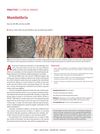
July 2018 in “CMAJ. Canadian Medical Association journal” A three-year-old girl has hair loss despite treatment with selenium sulfide shampoo and anti-fungal medication.
 August 2024 in “Journal of Clinical Medicine”
 Pruritus is common in LPP and FFA, worsened by heat and stress, and relieved by cold, affecting quality of life.
 1 citations
,
January 2020 in “Revista Brasileira de Ciência Veterinária”
1 citations
,
January 2020 in “Revista Brasileira de Ciência Veterinária” A cat in Brazil had severe skin issues worsened by improper treatment.
 1 citations
,
December 2023 in “Indian Dermatology Online Journal”
1 citations
,
December 2023 in “Indian Dermatology Online Journal” Steatocystoma multiplex causes recurring skin cysts and needs early recognition for better management.

A Moroccan athlete got a rare scalp infection, stressing the need for better hygiene in sports.
 April 2023 in “Jurnal Sain Veteriner”
 A young Persian cat had a skin infection and low platelets, treated with various medications.
1 citations
,
January 2013 in “Journal of the Scientific Society” A painless cheek lump was misdiagnosed but later identified as a rare benign skin lesion called pilomatrixoma.
September 2023 in “Journal of the American Academy of Dermatology” Bullous pemphigoid can look like erythema multiforme, so awareness is needed for proper treatment.
1 citations
,
November 2021 in “Journal of General and Family Medicine” Stopping finasteride improved a man's skin rash caused by light exposure.
 5 citations
,
September 1986 in “Pediatric Dermatology”
5 citations
,
September 1986 in “Pediatric Dermatology” A family showed a new condition with inherited hair loss and skin changes, possibly due to one genetic disorder.
99 citations
,
October 2008 in “Journal of Investigative Dermatology” Mutations in the ST14 gene cause skin and hair issues by disrupting important protein processing.
 9 citations
,
July 2010 in “British Journal of Dermatology”
9 citations
,
July 2010 in “British Journal of Dermatology” The document suggests a rare skin condition might be caused by a genetic phenomenon.
9 citations
,
February 2002 in “International Journal of Dermatology” The patient's symptoms improved with treatment but recurred when the steroid dose was reduced, requiring ongoing therapy.
66 citations
,
February 2002 in “Veterinary dermatology” Malassezia in cat skin biopsies may indicate internal cancer.
26 citations
,
January 2020 in “Dermatology Online Journal” Certain skin rashes can indicate COVID-19 severity, with chilblains-like rashes linked to milder cases and livedoid patterns to more severe cases.
7 citations
,
August 2019 in “JAAD Case Reports” Hidradenitis suppurativa may be more severe in people with Mediterranean fever gene mutations.
June 2025 in “Australasian Journal of Dermatology” Pigmented rings with central clearing help diagnose melasma more accurately.
17 citations
,
October 2001 in “Veterinary dermatology” The skin issues in the two dogs might be caused by infection or self-injury, not genetics.
January 2018 in “Indian Dermatology Online Journal” DM and AA may share a common cause.
6 citations
,
October 1998 in “PubMed” Antifungal treatment can improve severe skin infections with cutaneous horns.
 11 citations
,
December 2014 in “The American journal of pathology”
11 citations
,
December 2014 in “The American journal of pathology” A gene deletion in mice causes weak protein, immune issues, hair loss, airway problems, and wasting disease.
3 citations
,
March 2002 in “Linchuang pifuke zazhi” Most patients with dermatomyositis had skin rash, itching, and muscle weakness, treated mainly with prednisolone and hydroxychloroquine.
6 citations
,
August 2011 in “Anais Brasileiros de Dermatologia” Vellus hair cysts can cause acne-like bumps that don't respond to treatment.