AGA is caused by genetics and androgens, treatable with finasteride and minoxidil.
 May 2015 in “Hair transplant forum international”
 Androgenetic alopecia causes hair loss by shrinking hair follicles due to androgens, with the connection between the muscle and hair follicle determining if the loss is reversible.
June 2012 in “International journal of scientific research” Hair follicles in androgenetic alopecia show no chemical changes, only size reduction.
 January 2009 in “CRC Press eBooks”
 Androgenetic alopecia, or common baldness, is the main cause of hair loss in men due to shrinking hair follicles from hormones, and it's normal but can be a problem if it's too much or too early.
January 2004 in “Nederlands Tijdschrift voor Dermatologie & Venereologie” Female pattern hair loss causes thinning hair on top of the scalp, treatable with limited success.
1 citations
,
November 2024 in “Veterinary Dermatology” The cat's hair loss was linked to a type of cancer.
 1 citations
,
January 2022 in “Faculty reviews”
1 citations
,
January 2022 in “Faculty reviews” The best long-lasting results in treating hair loss may be achieved through combination therapy, including treatments like finasteride, minoxidil, and platelet-rich plasma injections.
July 2024 in “LA CIENCIA AL SERVICIO DE LA SALUD Y NUTRICIÓN” The condition is harmless, doesn't worsen, and needs no invasive treatment.
 67 citations
,
November 2002 in “Journal of The American Academy of Dermatology”
67 citations
,
November 2002 in “Journal of The American Academy of Dermatology” The document concludes that careful evaluation is key to diagnose and treat women with hair loss, with tests for thyroid, iron, and hormones as needed.
67 citations
,
July 2000 in “Proceedings of the National Academy of Sciences” The model accurately simulates human hair growth and hair loss patterns.
 58 citations
,
September 2012 in “Dermatologic Clinics”
58 citations
,
September 2012 in “Dermatologic Clinics” Male pattern hair loss caused by follicular miniaturization; early diagnosis and treatment can reduce psychological burden.
 54 citations
,
January 2005 in “Journal of The American Academy of Dermatology”
54 citations
,
January 2005 in “Journal of The American Academy of Dermatology” Most patients with chronic hair shedding did not progress to permanent hair loss, and one showed improvement with treatment.
 53 citations
,
September 2011
53 citations
,
September 2011 Other common signs, not just the well-known immune cells around hair bulbs, are important for diagnosing hair loss from alopecia areata.
47 citations
,
December 2003 in “Journal of Investigative Dermatology” DS cells in hair follicles can help form and restore hair, especially in hair loss conditions.
 43 citations
,
March 2006 in “Seminars in Cutaneous Medicine and Surgery”
43 citations
,
March 2006 in “Seminars in Cutaneous Medicine and Surgery” Different types of hair loss have unique features under a microscope, but a doctor's exam is important for accurate diagnosis.
 40 citations
,
May 2012 in “British Journal of Dermatology”
40 citations
,
May 2012 in “British Journal of Dermatology” Recognizing specific features of African-American hair can help diagnose hair loss conditions.
 40 citations
,
June 2009 in “Journal of Cutaneous Pathology”
40 citations
,
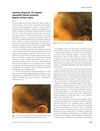
June 2009 in “Journal of Cutaneous Pathology” AGA patients have fewer hairs and smaller follicles; T:V ratio above 4:1 may indicate AGA.
 40 citations
,
December 2006 in “Journal of The European Academy of Dermatology and Venereology”
40 citations
,
December 2006 in “Journal of The European Academy of Dermatology and Venereology” Minoxidil helps hair regrowth in traction alopecia.
37 citations
,
March 2009 in “Hair transplant forum international” PRP treatment helped reverse hair thinning and promoted new hair growth.
 31 citations
,
March 2017 in “Journal of The American Academy of Dermatology”
31 citations
,
March 2017 in “Journal of The American Academy of Dermatology” Some breast cancer patients developed permanent hair loss after chemotherapy and hormonal therapy, showing patterns similar to common baldness and alopecia areata.
 30 citations
,
January 2020 in “Journal of The American Academy of Dermatology”
30 citations
,
January 2020 in “Journal of The American Academy of Dermatology” Fibrosing alopecia in a pattern distribution is a hair loss condition often confused with other types, requiring early treatment but usually not resulting in significant hair regrowth.
 30 citations
,
December 2017 in “Clinical, Cosmetic and Investigational Dermatology”
30 citations
,
December 2017 in “Clinical, Cosmetic and Investigational Dermatology” Parietal scalp area has lower hair density and smaller hair diameter in women with hair loss.
 30 citations
,
September 2017 in “Clinics in Dermatology”
30 citations
,
September 2017 in “Clinics in Dermatology” Men with common hair loss may have a higher risk of heart disease and diabetes, and should be checked for these conditions.
 30 citations
,
May 2016 in “International Journal of Cosmetic Science”
30 citations
,
May 2016 in “International Journal of Cosmetic Science” Hair loss in women links to inflammation around hair follicles.
 29 citations
,
September 2014 in “American Journal of Dermatopathology”
29 citations
,
September 2014 in “American Journal of Dermatopathology” Horizontal sections of scalp biopsies are good for diagnosing Central Centrifugal Cicatricial Alopecia and help customize treatment.
 22 citations
,
May 2002 in “Skin Research and Technology”
22 citations
,
May 2002 in “Skin Research and Technology” CE-PTG detects early hair follicle issues in balding areas, helping measure male hair loss.
 19 citations
,
September 2014 in “JAMA Dermatology”
19 citations
,
September 2014 in “JAMA Dermatology” Eosinophilic infiltrate is not a reliable indicator for diagnosing chronic alopecia areata.
 19 citations
,
December 2008 in “Journal of The American Academy of Dermatology”
19 citations
,
December 2008 in “Journal of The American Academy of Dermatology” The authors suggest that a new type of hair loss exists, which is different from alopecia areata.
18 citations
,
November 2003 in “Australasian Journal of Dermatology” Hair loss in this case was caused by a tumor, not typical baldness.
 17 citations
,
September 2012 in “Dermatologic Clinics”
17 citations
,
September 2012 in “Dermatologic Clinics” The conclusion is that accurate diagnosis of different types of hair loss requires careful examination of tissue samples and understanding of clinical symptoms.