
Minoxidil effectively treats hair loss.
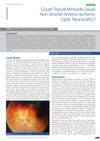 6 citations
,
January 2016 in “Journal of Clinical and Diagnostic Research”
6 citations
,
January 2016 in “Journal of Clinical and Diagnostic Research” Topical minoxidil might potentially cause vision problems, but more research is needed.
 7 citations
,
January 1987 in “Archives of Dermatology”
7 citations
,
January 1987 in “Archives of Dermatology” Most people using minoxidil for hair loss probably won't see significant improvement.
 96 citations
,
October 1981 in “Drugs”
96 citations
,
October 1981 in “Drugs” Minoxidil effectively treats severe hypertension but may cause side effects, so careful monitoring is needed.
 17 citations
,
April 1975 in “The Journal of Pediatrics”
17 citations
,
April 1975 in “The Journal of Pediatrics” Minoxidil effectively controls severe high blood pressure in children with few side effects.
6 citations
,
November 2020 in “Chinese Medical Journal” Combining minoxidil and fibroblast growth factor is more effective for treating male hair loss than using either alone.
1 citations
,
March 2023 in “Journal of the American College of Cardiology” Topical minoxidil can help regrow hair in people with common baldness.
 1 citations
,
May 2007 in “International Journal of Dermatology”
1 citations
,
May 2007 in “International Journal of Dermatology” Minoxidil, when applied to the scalp, can stimulate hair growth but effects vary, stop if treatment ends, and it may cause side effects like fluid retention.
 77 citations
,
January 2015 in “International Journal of Biological Macromolecules”
77 citations
,
January 2015 in “International Journal of Biological Macromolecules” Chitosan nanoparticles improve minoxidil delivery to hair follicles for better alopecia treatment.
October 2025 in “Clinical and Experimental Dermatology” Low-dose oral minoxidil significantly improves hair density in non-scarring alopecia.
 24 citations
,
October 2019 in “Biomaterials Research”
24 citations
,
October 2019 in “Biomaterials Research” Minoxidil in HA-PLGA nanoparticles effectively treats alopecia through skin delivery.

Both treatments improve hair growth, but minoxidil is cheaper.
April 2023 in “UNESP Institutional Repository (São Paulo State University)” Oral and topical minoxidil are similarly effective for hair growth, but oral may work better on the top of the head.
1 citations
,
April 2018 in “Медицинский совет” Minoxidil effectively treats early-stage androgenic alopecia with visible results in 4-6 months and minimal side effects.
 September 2023 in “Dermatology Online Journal”
 A newspaper article caused a big rise in oral minoxidil prescriptions for hair loss.
 October 2007 in “Inpharma Weekly”
  26 citations
,
January 1978 in “Nephron”
26 citations
,
January 1978 in “Nephron” Minoxidil lowers blood pressure effectively but may cause side effects.
2 citations
,
May 1989 in “JAMA” Minoxidil can help hair growth but may not always look cosmetically good.
January 2013 in “프로그램북(구 초록집)” Home-use microneedles with 5% minoxidil are safe and effective for hair growth.
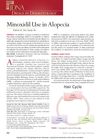 1 citations
,
August 2017
1 citations
,
August 2017 Minoxidil helps stimulate hair growth and enlarge small follicles in common hair loss, but doesn't stop it, and its effects can be boosted when combined with finasteride.
 1 citations
,
May 2022 in “Revista Contemporânea”
1 citations
,
May 2022 in “Revista Contemporânea” Combining two treatments for hair loss works better than using just one.
 February 2024 in “Journal of Molecular Structure”
 The new minoxidil and salicylic acid hydrogel improves alopecia treatment.
 October 2023 in “Bioactive Materials”
 The new hair loss treatment combining nitric oxide and minoxidil in a special carrier is effective for hair regrowth.
 24 citations
,
September 2020 in “Dermatology and therapy”
24 citations
,
September 2020 in “Dermatology and therapy” Oral minoxidil 5 mg daily increases hair growth safely in men with hair loss, with minor side effects.
 February 2024 in “Scientific Reports”
 Topical minoxidil and dietary supplements improved hair regrowth in children with hair loss from chemotherapy.
 5 citations
,
January 2020 in “Skin Research and Technology”
5 citations
,
January 2020 in “Skin Research and Technology” Minoxidil 5% works better than 2% for hair growth in male-patterned hair loss.
 December 2024 in “Asian Journal of Pharmaceutical and Clinical Research”
 Adding PRP to minoxidil and finasteride is more effective for hair loss.
 41 citations
,
January 2007 in “Journal of Korean Medical Science”
41 citations
,
January 2007 in “Journal of Korean Medical Science” Minoxidil and ATRA together boost hair growth more effectively than minoxidil alone.
 December 2017 in “Revista da Sociedade Portuguesa de Dermatologia e Venereologia”
 Topical minoxidil may help regrow hair after permanent hair loss from chemotherapy.