 February 2024 in “Scientific Reports”
 Topical minoxidil and dietary supplements improved hair regrowth in children with hair loss from chemotherapy.
 January 2024 in “Skin appendage disorders”
 Oral finasteride seems more effective for hair loss in postmenopausal women, but more research is needed.
April 2021 in “Aktuelle Dermatologie” Frontal Fibrosing Alopecia is a type of hair loss that mainly affects postmenopausal women, has unclear causes, and lacks evidence-based treatments.
August 2022 in “Journal of The American Academy of Dermatology” A 5-mg dose of oral minoxidil slightly lowers blood pressure temporarily, especially in those with higher initial blood pressure.
September 2019 in “Zagazig university medical journal” Minoxidil helps hair growth but has side effects.
 59 citations
,
February 1998 in “Chemico-Biological Interactions”
59 citations
,
February 1998 in “Chemico-Biological Interactions” Minoxidil breakdown varies by enzymes, affecting hair loss treatment effectiveness.
 April 2019 in “Journal of Investigative Dermatology”
 The research found that certain characteristics like age, sex, race, marital status, and education level can influence whether alopecia patients stick to their hair loss treatment with topical minoxidil.
 29 citations
,
October 1996 in “Toxicology and Applied Pharmacology”
29 citations
,
October 1996 in “Toxicology and Applied Pharmacology” Higher minoxidil doses in dogs cause faster heart rate, lower blood pressure, and heart issues.
16 citations
,
July 1988 in “International Journal of Dermatology” The 2% minoxidil solution is safe and effective for treating male pattern baldness.
 January 2025 in “International journal of research and scientific innovation”
 The liposomal hydrogel shows promise for hair loss treatment but needs more testing.
 101 citations
,
October 2013 in “Journal of The Saudi Pharmaceutical Society”
101 citations
,
October 2013 in “Journal of The Saudi Pharmaceutical Society” Minoxidil-loaded NLC gel shows potential for effective alopecia treatment.
 81 citations
,
February 1997 in “Journal of Investigative Dermatology”
81 citations
,
February 1997 in “Journal of Investigative Dermatology” Minoxidil boosts hair growth by activating PGHS-1.
 54 citations
,
March 1987 in “Journal of The American Academy of Dermatology”
54 citations
,
March 1987 in “Journal of The American Academy of Dermatology” 3% topical minoxidil effectively treats extensive alopecia areata with few side effects.
 41 citations
,
March 1987 in “Journal of The American Academy of Dermatology”
41 citations
,
March 1987 in “Journal of The American Academy of Dermatology” Topical minoxidil effectively treats male pattern baldness and prevents hair loss.
 37 citations
,
May 2016 in “JAAD case reports”
37 citations
,
May 2016 in “JAAD case reports” Oral minoxidil shows promise in treating monilethrix-related hair loss.
 33 citations
,
July 1992 in “Journal of Investigative Dermatology”
33 citations
,
July 1992 in “Journal of Investigative Dermatology” Minoxidil doesn't affect perifollicular lymphoid infiltration in alopecia areata patients.
 19 citations
,
May 2017 in “Dermatologic Surgery”
19 citations
,
May 2017 in “Dermatologic Surgery” Combining platelet-rich plasma with 5% minoxidil solution improves hair regrowth in androgenetic alopecia patients.
 14 citations
,
January 2014 in “International Journal of Dermatology”
14 citations
,
January 2014 in “International Journal of Dermatology” Minoxidil with Korean red ginseng improves hair density and thickness more than minoxidil alone.
 11 citations
,
March 2007 in “Journal of Hypertension”
11 citations
,
March 2007 in “Journal of Hypertension” Minoxidil effectively lowers blood pressure in resistant cases, but needs beta-blocker and diuretic support.
 10 citations
,
April 2015 in “PubMed”
10 citations
,
April 2015 in “PubMed” Rosemary oil and minoxidil 2% both effectively increase hair count in people with androgenetic alopecia, but rosemary oil causes less scalp itching.
 10 citations
,
May 2007 in “PubMed”
10 citations
,
May 2007 in “PubMed” 1% topical minoxidil solution significantly improved hair growth in Japanese women with androgenetic alopecia, with no major side effects.
 9 citations
,
February 2016 in “The Journal of Dermatology”
9 citations
,
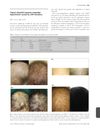
February 2016 in “The Journal of Dermatology” Minoxidil 3% lotion is effective and safe for increasing beard hair count.
 7 citations
,
March 2015 in “British Journal of Dermatology”
7 citations
,
March 2015 in “British Journal of Dermatology” Applying minoxidil can help improve hair growth in people with hair loss caused by LIPH gene mutations.
3 citations
,
July 1988 in “International Journal of Dermatology” Minoxidil is safe and effective for treating early male pattern baldness.
 2 citations
,
November 1987 in “Archives of Dermatology”
2 citations
,
November 1987 in “Archives of Dermatology” Minoxidil solution helps regrow hair in men with hair loss, with most improvement seen at 12 months and effects lasting over 30 months.
 1 citations
,
July 2023 in “Cureus”
1 citations
,
July 2023 in “Cureus” Cetosomal minoxidil alone and with finasteride is effective and well-tolerated for hair loss treatment.
 1 citations
,
October 2020 in “Annales pharmaceutiques françaises”
1 citations
,
October 2020 in “Annales pharmaceutiques françaises” The document concludes that a new method for measuring Minoxidil and Finasteride in hair regrowth solution is better because it considers separation theory and the properties of the ingredients. The mix of Methanol and water and the pH level greatly impact the measurement time and clarity.
 1 citations
,
August 2018 in “Journal of The American Academy of Dermatology”
1 citations
,
August 2018 in “Journal of The American Academy of Dermatology” Combination of minoxidil and finasteride is more effective in increasing hair diameter than minoxidil alone for female-pattern hair loss.
 April 2025 in “Jurnal Sains dan Teknologi Farmasi Indonesia”
 The NLC gel with Minoxidil and Finasteride effectively treats hair loss in harsh conditions.

Oral minoxidil can be more comfortable and effective than topical, but treatment should be personalized.