 January 2024 in “Expert Opinion on Pharmacotherapy”
 Low-dose oral minoxidil is effective and safe for treating hair loss in men and women.
 July 2023 in “Archives of Dermatological Research”
 Minoxidil may help with hair loss caused by cancer treatments.
March 2023 in “Reactions Weekly” February 2023 in “Reactions Weekly” December 2022 in “Skin appendage disorders” Combining low-level light therapy with minoxidil helps hair regrowth better than using minoxidil alone, especially early on.
 February 2022 in “Journal of Cosmetic Dermatology”
 Using both minoxidil and flutamide together is more effective for treating hair loss than using minoxidil alone.
 January 2022 in “Tissue & Cell”
 Using both platelet-rich plasma and minoxidil together gives the best results for hair growth in male rats with hair loss.
January 2022 in “International Journal of Trichology” Using both PRP and minoxidil together works better for treating hair loss in men than using either one alone.
 January 2022 in “Journal of Healthcare Sciences”
 Male Androgenetic Alopecia, a common hair loss in men, can be slowed and partially restored with treatments like minoxidil and finasteride, or hair transplantation. Serenoa repens may be an alternative treatment. More research is needed for new treatments.
January 2021 in “Journal of cosmetology & trichology” PRP therapy can be effective for early-stage common hair loss, with most patients seeing improvement, but there are inconsistencies in treatment methods.
 December 2020 in “Journal of Aesthetic Nursing”
 Injecting platelet-rich plasma into the scalp stimulates hair growth, increases hair density, and treats hair loss effectively with minimal side effects.
Microneedling with PRP is more effective and satisfying for male pattern hair loss than microneedling with minoxidil.
 January 2020 in “Skinmed”
 Microneedling with platelet-rich plasma showed quicker improvements in male pattern hair loss than microneedling with 5% topical minoxidil, with no serious side effects.

AGA causes permanent hair loss; women use 2% minoxidil, men use 1 mg finasteride daily.
 August 2012 in “Journal of Evidence-based Medicine”
 Minoxidil helps with hair regrowth in women with androgenic alopecia.
 38 citations
,
December 2011 in “Journal of Dermatology”
38 citations
,
December 2011 in “Journal of Dermatology” Use minoxidil for hair loss treatment, and finasteride for men.
 October 2021 in “Más dermatología”
 Female androgenetic alopecia affects many women, is reversible with treatment like Minoxidil, and has significant psychological impacts.
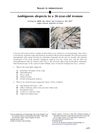
The woman has unexplained hair loss and it's unclear what her condition is or how to treat it.
 12 citations
,
July 2016 in “British journal of dermatology/British journal of dermatology, Supplement”
12 citations
,
July 2016 in “British journal of dermatology/British journal of dermatology, Supplement” Different hair fiber development might explain why hair loss severity varies in patients with a specific genetic mutation, and treatments that thicken hair could help.
 May 2023 in “International Journal of Trichology”
 Low-dose oral Minoxidil is an effective treatment for hair loss with minimal serious side effects.
January 2017 in “Faculty of 1000 Research Ltd” Oral minoxidil effectively reduces hair shedding in women with chronic telogen effluvium.
 November 2025 in “Australian Journal of General Practice”
 Oral finasteride and topical minoxidil can regrow hair, but finasteride may affect fertility.
September 2025 in “Case Reports in Ophthalmology” Short-term use of topical minoxidil can cause eye issues, but stopping it can resolve the problem.
 1113 citations
,
August 1999 in “The New England Journal of Medicine”
1113 citations
,
August 1999 in “The New England Journal of Medicine” Hair follicle biology advancements may lead to better hair growth disorder treatments.
 370 citations
,
September 1999 in “The New England Journal of Medicine”
370 citations
,
September 1999 in “The New England Journal of Medicine” Finasteride and minoxidil are effective for hair loss, but continued research is needed for better treatments.
 233 citations
,
February 2018 in “Polymers”
233 citations
,
February 2018 in “Polymers” Chitin and chitosan are useful in cosmetics for oral care, haircare, and skincare, including UV protection and strength improvement.
 218 citations
,
January 2013 in “The Lancet Oncology”
218 citations
,
January 2013 in “The Lancet Oncology” Chemotherapy causes hair loss by damaging hair follicles and stem cells, with more research needed for prevention and treatment.
 198 citations
,
October 2011 in “Journal der Deutschen Dermatologischen Gesellschaft”
198 citations
,
October 2011 in “Journal der Deutschen Dermatologischen Gesellschaft” Use minoxidil for hair loss; finasteride and dutasteride for men, dutasteride for women.
 183 citations
,
January 2018 in “Cosmetics”
183 citations
,
January 2018 in “Cosmetics” Essential oils in cosmetics can offer benefits but may cause allergies and should be used carefully.
 182 citations
,
October 2003 in “British Journal of Dermatology”
182 citations
,
October 2003 in “British Journal of Dermatology” The 2003 guidelines suggest that while some treatments can regrow hair in alopecia areata, none alter the disease's progression, and wigs may be the best option for extensive hair loss.