 17 citations
,
August 2015 in “Expert Opinion on Pharmacotherapy”
17 citations
,
August 2015 in “Expert Opinion on Pharmacotherapy” The document concludes that oral finasteride and topical minoxidil are effective for genetic hair loss, while other treatments for different types of hair loss show promise but need more research.
 15 citations
,
December 2007 in “Dermatologic Therapy”
15 citations
,
December 2007 in “Dermatologic Therapy” Hair transplantation has improved with techniques that increase graft survival and patient satisfaction for more natural results.
 13 citations
,
October 2013 in “Dermatologic Therapy”
13 citations
,
October 2013 in “Dermatologic Therapy” ATE is linked to FAA, and treatment depends on cause; minoxidil helps, finasteride may worsen.
 12 citations
,
October 2016 in “Anais Brasileiros de Dermatologia”
12 citations
,
October 2016 in “Anais Brasileiros de Dermatologia” Frontal Fibrosing Alopecia may be linked to autoimmune diseases like Sjögren's syndrome.
 12 citations
,
August 2013 in “Facial Plastic Surgery Clinics of North America”
12 citations
,
August 2013 in “Facial Plastic Surgery Clinics of North America” Hair transplantation is the only permanent solution for female pattern hair loss and can greatly improve quality of life with careful planning.
11 citations
,
December 2015 in “Indian journal of dermatology, venereology, and leprology” Dermoscopy quickly and accurately diagnosed a rare hair disorder in a 12-year-old girl.
 10 citations
,
February 2011 in “Journal der Deutschen Dermatologischen Gesellschaft”
10 citations
,
February 2011 in “Journal der Deutschen Dermatologischen Gesellschaft” The document concludes that proper diagnosis and evidence-based treatments are crucial for managing hair diseases, and psychological support for patients is important.
 7 citations
,
May 2015 in “Journal of The American Academy of Dermatology”
7 citations
,
May 2015 in “Journal of The American Academy of Dermatology” Finasteride helps treat frontal fibrosing alopecia, improving or stabilizing the condition in many patients.
 7 citations
,
December 2013 in “The Journal of Dermatology”
7 citations
,
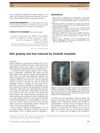
December 2013 in “The Journal of Dermatology” A woman's hair turned gray and fell out after starting a cancer drug called imatinib mesylate.
 6 citations
,
October 2019 in “Case Reports in Dermatology”
6 citations
,
October 2019 in “Case Reports in Dermatology” The document concludes that treatment can improve hair growth and symptoms in Fibrosing Alopecia in a Pattern Distribution.
 6 citations
,
August 2006 in “Journal of Cutaneous Pathology”
6 citations
,
August 2006 in “Journal of Cutaneous Pathology” Two teenage brothers had a rare, treatment-resistant form of female-pattern hair loss with unusual scalp changes.
 5 citations
,
May 2021 in “International Journal of Infectious Diseases”
5 citations
,
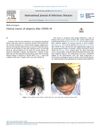
May 2021 in “International Journal of Infectious Diseases” A man experienced hair loss after getting COVID-19, which improved with treatment and might have been triggered by stress related to the illness.
 4 citations
,
May 2002 in “Therapeutische Umschau”
4 citations
,
May 2002 in “Therapeutische Umschau” AGA treated with finasteride, minoxidil, and hair transplantation.
 3 citations
,
August 2002 in “Current Opinion in Otolaryngology & Head and Neck Surgery”
3 citations
,
August 2002 in “Current Opinion in Otolaryngology & Head and Neck Surgery” Hair transplantation, especially follicular unit micrografting, was the top treatment for male pattern baldness, with a focus on natural results and ongoing improvements in both surgical and medical management.
 3 citations
,
May 2022 in “JAAD case reports”
3 citations
,
May 2022 in “JAAD case reports” A woman developed alopecia after her second Pfizer vaccine but regrew her hair with treatment and had no issues after a booster shot.
 3 citations
,
November 2021 in “Journal of The American Academy of Dermatology”
3 citations
,
November 2021 in “Journal of The American Academy of Dermatology” Androgenetic alopecia, a genetic disorder affecting up to 50% of adults, is caused by an excessive response to androgens leading to hair follicle shrinkage. Treatments include FDA-approved drugs, other therapies like low-dose oral minoxidil, and hair transplantation.
3 citations
,
August 2013 in “DOAJ (DOAJ: Directory of Open Access Journals)” Hair loss treatments for women are limited, with hair transplants being the only permanent option.
 3 citations
,
July 2012 in “British journal of hospital medicine”
3 citations
,
July 2012 in “British journal of hospital medicine” The guide helps clinicians diagnose and manage hair loss, detailing examination techniques and treatments for different types of alopecia.
 1 citations
,
May 1999 in “Journal of The European Academy of Dermatology and Venereology”
1 citations
,
May 1999 in “Journal of The European Academy of Dermatology and Venereology” Treat hair loss with medicine, continue indefinitely.
1 citations
,
November 2021 in “CRC Press eBooks” Common hair loss in men can be treated with minoxidil or finasteride.
 1 citations
,
September 2020 in “Pediatric Dermatology”
1 citations
,
September 2020 in “Pediatric Dermatology” Two teenage boys lost hair after taking a drug for growth, which was not a known side effect for kids.
1 citations
,
January 2020 in “Bioscientia medicina” Female pattern hair loss is common, worsens with age, and requires long-term treatment to manage.
1 citations
,
December 2015 in “TURKDERM” Lichen planopilaris can be accurately diagnosed and effectively treated.
 1 citations
,
January 2011
1 citations
,
January 2011 The document concludes that androgenetic alopecia is common, has a genetic link, and can be diagnosed and treated with medications like finasteride and minoxidil.
 February 2026 in “Frontiers in Pharmacology”
 Genetics can help tailor treatments for male pattern hair loss, improving outcomes like stabilization or modest regrowth.
 September 2025 in “Editora Pasteur eBooks”
 Continuous learning and personalized treatments are crucial in dermatology due to rapid technological advancements.
 August 2024 in “Frontiers in Pharmacology”
 Antibody treatments show promise for hair loss but need more research.
 August 2024 in “EMJ Dermatology”
 Non-scarring alopecia in females affects emotional well-being and requires accurate diagnosis and personalized treatment.
 April 2024 in “International Journal of Research Publication and Reviews”
 Alopecia areata causes hair loss with varied treatment responses and frequent relapses.
 March 2024 in “Case Reports in Dermatology”
 A woman's hair loss was misdiagnosed as alopecia areata but was actually lichen planopilaris, needing immediate and ongoing treatment.