 January 2014 in “Journal of Pigmentary Disorders”
 Women's hair gets thinner and grayer as they age, with treatments available for hair loss and graying.
 July 2012 in “Springer eBooks”
 The document concludes that proper diagnosis and treatment of nonscarring alopecias can improve quality of life and hair regrowth is possible as the hair follicle remains intact.

Most American men experience hair loss by age 50, with limited effective treatments available and new options not expected soon.
 January 2010 in “Actas Dermo-Sifiliográficas”
 A woman was allergic to quinine in her anti-hair loss lotion.
 May 2007 in “Dermatologic Therapy”
 Hair care practices like using relaxers and tight braiding can lead to permanent hair loss in black women.
 July 1988 in “Journal of The American Academy of Dermatology”
 Various dermatologic treatments were effective for skin conditions like acne, rosacea, hair loss, and psoriasis from December 1986 to December 1987.
 October 1987 in “Clinics in Dermatology”
 Hair transplantation is beneficial if the right patients are chosen and the procedure is done carefully.
 April 2026 in “Cosmetics”
 The shampoo effectively covers gray hair gradually and maintains color after multiple washes.
 March 2026 in “Open MIND”
 Early treatment of scalp infections can prevent permanent hair loss.
 September 2025 in “Ensaios USF”
 The solid shampoo is eco-friendly and effective, offering a sustainable alternative to regular shampoos.
 July 2025 in “The Journal of Dermatology”
 5% topical minoxidil may help reduce hair loss and increase hair growth in telogen effluvium.
 June 2025 in “Current Issues in Molecular Biology”
 Minoxidil, caffeine, and biotin can improve hair shine by restoring certain genes.
 February 2025 in “Global Academic Journal of Pharmacy and Drug Research”
 Beetroot extract may help treat hair loss naturally with fewer side effects.
 January 2025 in “Annals of Dermatology”
 New treatments for hair loss include low-dose oral minoxidil, light therapy, and innovative therapies targeting hair growth mechanisms.
June 2024 in “Journal of Drug Delivery Science and Technology” Nanocarrier-based treatments show promise for better hair growth in androgenetic alopecia but need more research.
 September 2023 in “International Journal of Cosmetic Science”
 Both shampoos increased scalp germ numbers but did not change the overall microbial community composition.

Various treatments exist for hair loss, but no definitive solution.
 January 2022 in “Clinical dermatology open access journal”
 Certain cannabinoids may help increase hair growth and could be useful for treating hair loss.
 December 2019 in “Journal of pediatrics & neonatology”
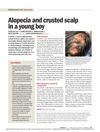
 A 13-year-old boy had a rare, stable type of hair loss with little chance of regrowth, but treatment is available for looks.
 September 2019 in “International journal of research in ayurveda and pharmacy”
 Ayurvedic treatment with Bhringraj Vati and coconut oil was safe and effective for reducing hair fall.
 January 2019 in “Elsevier eBooks”
 Different hair disorders have specific treatments and outcomes, with some resolving on their own and others requiring medication or emotional support.
 October 2018 in “Springer eBooks”
 The document concludes that various topical medications are effective for skin conditions but often cause skin irritation as a side effect.
 July 2011 in “Springer eBooks”
 The document concluded that FDA-approved treatments like minoxidil and finasteride are effective for hair loss, while the effectiveness of natural remedies and other non-approved treatments is not well-supported by evidence.
 May 2003 in “Facial Plastic Surgery Clinics of North America”
 Hair loss can be treated with medications like minoxidil and finasteride or surgery, but treatment effectiveness varies by alopecia type and accurate diagnosis is important.
 January 1978 in “Yukagaku”
 Zinc pyrithione in shampoo or rinse reduces dandruff and itching.
October 2022 in “Our Dermatology Online” The Trust tonic is more effective than minoxidil for treating hair loss.

Caffeine can potentially treat common hair loss by counteracting hair follicle shrinkage caused by hormones.
 November 2009 in “Cambridge University Press eBooks”
 Minoxidil and finasteride combined can effectively treat hair loss.
 April 1999 in “Therapeutische Umschau”
 Hair loss and excessive growth treated with various options, including new laser technology.
April 2023 in “Dermatology and therapy” Most patients stop using topical minoxidil due to side effects.