January 2005 in “日本機械学會論文集. C編” Minoxidil sulfate and pinacidil promote hair growth likely by increasing blood flow, not by activating K channels.

The patient with total hair loss did not regrow hair despite treatment, indicating a poor outlook for this type of hair loss.
 February 2004 in “The New England Journal of Medicine”
 The book is a comprehensive and current guide on hair disorders, with minor flaws.
August 2003 in “Journal of Investigative Dermatology” Phosphatidic acid may promote hair growth like minoxidil.
 June 1996 in “Journal of Dermatological Science”
 Two new compounds were found that could promote hair growth as well or better than minoxidil.
 January 1989 in “Journal of The American Academy of Dermatology”
 Dr. Jorizzo questions the long-term benefits of minoxidil and tretinoin, while Dr. Olsen defends their effectiveness and stresses the need for public education on these treatments.
 January 2002 in “Dermatologic Surgery”
 Minoxidil is effective in preventing hair loss after facelift surgery.
 March 2026 in “Frontiers in Medicine”
 Diffuse unpatterned alopecia can affect donor areas, but treatment with finasteride and minoxidil can improve hair density.
 February 2025 in “PLoS ONE”
 Androgenetic alopecia starts earlier in males than females, with different treatments, and is linked to income, education, alcohol use, and mental health.
 April 2017 in “Australasian Journal of Dermatology”
 Different skin conditions show distinct types of vessel inflammation, a new quality of life index for vulval disease is reliable, a certain intrauterine system might be linked to chronic vaginal yeast infections, and oral minoxidil reduces hair loss in women.
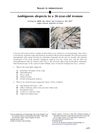
The woman has unexplained hair loss and it's unclear what her condition is or how to treat it.
February 2023 in “Materials today bio” The treatment effectively promotes hair regrowth in androgenetic alopecia without causing skin irritation.
July 2022 in “Journal of Investigative Dermatology” Dermatologists can use social media to better educate people about hair loss treatments.
Sansevieria trifasciata Prain shows promise for treating hair loss by inhibiting androgen receptors.
January 2022 in “Italian journal of dermatology and venereology” The new treatment improved hair growth and thickness in people with hair loss.
 January 2022 in “Journal of Healthcare Sciences”
 Male Androgenetic Alopecia, a common hair loss in men, can be slowed and partially restored with treatments like minoxidil and finasteride, or hair transplantation. Serenoa repens may be an alternative treatment. More research is needed for new treatments.
August 2021 in “International journal of advanced research” PRP improves hair growth short-term but may need retreatment for long-term results.
August 2021 in “Zenodo (CERN European Organization for Nuclear Research)” Platelet-rich plasma can temporarily improve hair growth in androgenetic alopecia but may need additional treatments for long-term results.
January 2020 in “Journal of clinical and cosmetic dermatology” A woman with hair loss regrew hair using minoxidil and spironolactone.
December 2018 in “Вестник Российской Военно-медицинской академии” Combining PRP with minoxidil significantly improves hair growth and reduces hair loss in men with androgenic alopecia.
December 2017 in “PubMed” Low-level laser therapy may help treat hair loss with fewer side effects.
 January 2017 in “Journal of cosmetology & trichology”
 Polydioxanone threads can effectively reduce hair loss and increase hair re-growth in patients with androgenetic alopecia, providing a quick and relatively painless treatment option.
 September 2025 in “Editora Pasteur eBooks”
 Continuous learning and personalized treatments are crucial in dermatology due to rapid technological advancements.
 421 citations
,
April 2012 in “The New England Journal of Medicine”
421 citations
,
April 2012 in “The New England Journal of Medicine” Alopecia Areata is an autoimmune condition causing hair loss with no cure and treatments that often don't work well.
 182 citations
,
October 2003 in “British Journal of Dermatology”
182 citations
,
October 2003 in “British Journal of Dermatology” The 2003 guidelines suggest that while some treatments can regrow hair in alopecia areata, none alter the disease's progression, and wigs may be the best option for extensive hair loss.
 42 citations
,
February 2017 in “Scientific Reports”
42 citations
,
February 2017 in “Scientific Reports” Researchers found a way to create cells from stem cells that act like human cells important for hair growth and could be used for hair regeneration treatments.
 12 citations
,
July 2016 in “British journal of dermatology/British journal of dermatology, Supplement”
12 citations
,
July 2016 in “British journal of dermatology/British journal of dermatology, Supplement” Different hair fiber development might explain why hair loss severity varies in patients with a specific genetic mutation, and treatments that thicken hair could help.
Oregano extract can promote hair growth and has antioxidant benefits without being toxic.
 April 2008 in “Medical & surgical dermatology”
 Certain hairstyles can cause scalp diseases, smoking is linked to hair loss, 5% minoxidil foam is effective for hair loss treatment, and various factors influence wound healing and hair growth.
 September 1997 in “JEADV. Journal of the European Academy of Dermatology and Venereology/Journal of the European Academy of Dermatology and Venereology”
 The document concludes that treatments like oral anti-androgens, minoxidil, and topical spironolactone can be effective for hair loss in men and women.