 7 citations
,
September 2020 in “Journal of The American Academy of Dermatology”
7 citations
,
September 2020 in “Journal of The American Academy of Dermatology” Low-dose oral minoxidil for hair loss can cause mild excessive hair growth, usually appearing within the first 3 months, but it can be managed by adjusting the dose or removing the unwanted hair, with most people not needing to stop the treatment.
March 2008 in “International Society of Hair Restoration Surgery” Minoxidil and finasteride help treat hair loss in men.
13 citations
,
March 1983 in “International Journal of Dermatology” Minoxidil caused red hair to grow on a man's temples.
1 citations
,
March 2011 in “Hospital Pharmacy” Various medications and vaccines can cause serious side effects.
26 citations
,
March 2017 in “Aesthetic plastic surgery” Accidental injection of hyaluronic acid caused temporary hair loss and skin damage, but treatment restored hair and healed the skin.

Male androgenetic alopecia (MAA) is a common, hereditary hair loss condition in men, linked to heart disease, and can be treated with minoxidil, finasteride, or hair transplantation.
 January 2011 in “Reactions Weekly”
 Long-term use of minoxidil may cause hair follicles to transform into noticeable terminal hairs, leading to trichostasis spinulosa.
 June 2025 in “Clinical Cosmetic and Investigational Dermatology”
 Hyaluronic acid injections can cause temporary hair loss, but hair can regrow with early treatment.

The patient with total hair loss did not regrow hair despite treatment, indicating a poor outlook for this type of hair loss.
 17 citations
,
June 2016 in “Australasian Journal of Dermatology”
17 citations
,
June 2016 in “Australasian Journal of Dermatology” Treatment with dutasteride, minoxidil, and artificial hair transplantation improved appearance but caused folliculitis.
 80 citations
,
September 1984 in “Journal of The American Academy of Dermatology”
80 citations
,
September 1984 in “Journal of The American Academy of Dermatology” 5% minoxidil helps hair regrowth in androgenic alopecia.
 80 citations
,
October 1983 in “BMJ”
80 citations
,
October 1983 in “BMJ” Minoxidil helps hair regrowth in alopecia patients, with 16 having good results and no side effects.
 54 citations
,
June 1985 in “American Journal of Dermatopathology”
54 citations
,
June 1985 in “American Journal of Dermatopathology” Minoxidil helps grow longer, thicker hair in bald scalps of stumptailed macaques, and early treatment is more effective.
 53 citations
,
May 1990 in “Journal of Dermatology”
53 citations
,
May 1990 in “Journal of Dermatology” Minoxidil speeds up hair growth in rats without prolonging growth phase.
 45 citations
,
November 1979 in “British Journal of Dermatology”
45 citations
,
November 1979 in “British Journal of Dermatology” Minoxidil causes excessive hair growth in almost all patients.
 20 citations
,
March 1994 in “Clinical and Experimental Dermatology”
20 citations
,
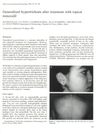
March 1994 in “Clinical and Experimental Dermatology” Too much topical minoxidil can cause excessive hair growth, but stopping treatment reverses it.
 July 2015 in “Actas Dermo-Sifiliográficas”
 A woman experienced excessive hair growth after using a hair loss treatment with minoxidil.
 19 citations
,
December 1985 in “Journal of The American Academy of Dermatology”
19 citations
,
December 1985 in “Journal of The American Academy of Dermatology” Minoxidil can cause scalp comedones and acne.
 152 citations
,
April 2012 in “Recent Patents on Inflammation & Allergy Drug Discovery”
152 citations
,
April 2012 in “Recent Patents on Inflammation & Allergy Drug Discovery” Minoxidil treats hair loss, promotes growth, has side effects, and has recent patents.
 100 citations
,
June 2011 in “Journal of The American Academy of Dermatology”
100 citations
,
June 2011 in “Journal of The American Academy of Dermatology” 5% minoxidil foam once daily works as well as 2% minoxidil solution twice daily for female hair growth and is more convenient.
 96 citations
,
October 1981 in “Drugs”
96 citations
,
October 1981 in “Drugs” Minoxidil effectively treats severe hypertension but may cause side effects, so careful monitoring is needed.
 80 citations
,
December 2017 in “International Journal of Dermatology”
80 citations
,
December 2017 in “International Journal of Dermatology” Low-dose oral minoxidil and spironolactone combo effectively reduces hair loss and improves hair density in women.
 56 citations
,
August 1981 in “Journal of The American Academy of Dermatology”
56 citations
,
August 1981 in “Journal of The American Academy of Dermatology” Minoxidil helps hair regrowth in alopecia areata safely.
 50 citations
,
September 1975 in “American Heart Journal”
50 citations
,
September 1975 in “American Heart Journal” Minoxidil effectively controls blood pressure in severe cases, but may cause fluid retention and edema.
 46 citations
,
April 1977 in “Southern Medical Journal”
46 citations
,
April 1977 in “Southern Medical Journal” Minoxidil causes excessive hair growth, but depilatory agent removes it safely and effectively.
 41 citations
,
June 2003 in “Journal of The American Academy of Dermatology”
41 citations
,
June 2003 in “Journal of The American Academy of Dermatology” Long-term minoxidil use can cause pseudoacromegaly, but stopping it improves symptoms.
 40 citations
,
May 1987 in “The Lancet”
40 citations
,
May 1987 in “The Lancet” Minoxidil helps some bald men, but most lose hair again when stopping.
 24 citations
,
September 2020 in “Dermatology and therapy”
24 citations
,
September 2020 in “Dermatology and therapy” Oral minoxidil 5 mg daily increases hair growth safely in men with hair loss, with minor side effects.
 21 citations
,
March 2021
21 citations
,
March 2021 Oral minoxidil effectively treats hair loss, with women needing lower doses (0.25 to 2.5 mg daily) and men needing higher doses (1.25 to 5 mg daily).
 14 citations
,
August 2020 in “Dermatologic Therapy”
14 citations
,
August 2020 in “Dermatologic Therapy” Low-dose oral minoxidil is a safe treatment for hair loss, with the main side effect being excessive hair growth. Other side effects like foot swelling, low blood pressure when standing, and heart rate changes are rare.