 23 citations
,
April 1991 in “Journal of The American Academy of Dermatology”
23 citations
,
April 1991 in “Journal of The American Academy of Dermatology” Minoxidil solution can cause skin irritation and allergies in some users.
23 citations
,
July 1988 in “International Journal of Dermatology” Minoxidil is safe and effectively increases hair growth in early male pattern baldness.
 21 citations
,
January 2017 in “Skin Pharmacology and Physiology”
21 citations
,
January 2017 in “Skin Pharmacology and Physiology” Caffeine-based liquid 0.2% is as effective as minoxidil 5% for treating male hair loss.
 20 citations
,
January 2013 in “Annals of Dermatology”
20 citations
,
January 2013 in “Annals of Dermatology” Topical minoxidil successfully treated temporal triangular alopecia.
 20 citations
,
January 2009 in “International Journal of Dermatology”
20 citations
,
January 2009 in “International Journal of Dermatology” Hair loss in Clouston's syndrome improved with minoxidil and tretinoin treatment.
 20 citations
,
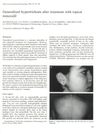
March 1994 in “Clinical and Experimental Dermatology”
20 citations
,
March 1994 in “Clinical and Experimental Dermatology” Too much topical minoxidil can cause excessive hair growth, but stopping treatment reverses it.
 20 citations
,
November 1987 in “Archives of Dermatology”
20 citations
,
November 1987 in “Archives of Dermatology” The document concludes that topical minoxidil therapy is safe and effective in promoting hair growth for male pattern baldness.
 19 citations
,
December 1985 in “Journal of The American Academy of Dermatology”
19 citations
,
December 1985 in “Journal of The American Academy of Dermatology” Minoxidil can cause scalp comedones and acne.
 18 citations
,
March 1984 in “BMJ”
18 citations
,
March 1984 in “BMJ” Minoxidil helps hair regrowth in alopecia, but more research needed.
17 citations
,
July 1988 in “International Journal of Dermatology” Men using minoxidil felt better about hair loss and self-esteem than those using a placebo.
 17 citations
,
March 1985 in “Journal of The American Academy of Dermatology”
17 citations
,
March 1985 in “Journal of The American Academy of Dermatology” Minoxidil can lower blood pressure in some people.
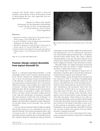 16 citations
,
January 2007 in “JEADV. Journal of the European Academy of Dermatology and Venereology/Journal of the European Academy of Dermatology and Venereology”
16 citations
,
January 2007 in “JEADV. Journal of the European Academy of Dermatology and Venereology/Journal of the European Academy of Dermatology and Venereology” A man had an allergic reaction to minoxidil, which stopped after he discontinued use and started corticosteroids.
16 citations
,
July 1988 in “International Journal of Dermatology” The 2% minoxidil solution is safe and effective for treating male pattern baldness.
 16 citations
,
January 1986 in “Dermatology”
16 citations
,
January 1986 in “Dermatology” Using minoxidil lotion for hair regrowth in androgenetic alopecia has limited success and should be evaluated carefully.
 15 citations
,
November 2019 in “Cutaneous and Ocular Toxicology”
15 citations
,
November 2019 in “Cutaneous and Ocular Toxicology” Minoxidil tretinoin liposomal based hydrogel shows promise for effective treatment of hair loss by delivering both drugs at the same time.
 15 citations
,
May 2017 in “Journal of Dermatological Treatment”
15 citations
,
May 2017 in “Journal of Dermatological Treatment” Latanoprost works better for hair growth, and combining it with betamethasone valerate is most effective.
 15 citations
,
January 2000 in “Dermatology”
15 citations
,
January 2000 in “Dermatology” Minoxidil use may cause skin pigmentation loss.
 15 citations
,
January 2000 in “Japanese Heart Journal”
15 citations
,
January 2000 in “Japanese Heart Journal” A man developed heart problems after using a baldness treatment for 4 months, suggesting that people with heart issues should avoid this treatment.
 14 citations
,
January 2015 in “Skin appendage disorders”
14 citations
,
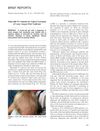
January 2015 in “Skin appendage disorders” Minoxidil treatment for hair loss can cause scalp allergy and severe hair loss.
14 citations
,
April 1987 in “PubMed” Topical minoxidil can promote hair growth in men with hereditary hair loss, with no serious side effects.
 13 citations
,
March 2014 in “Pediatric Dermatology”
13 citations
,
March 2014 in “Pediatric Dermatology” Minoxidil 5% solution significantly improved hair density in a girl with loose anagen hair syndrome over 28 months, with no side effects.
13 citations
,
May 1987 in “PubMed” Topical minoxidil can help regrow hair with regular use, but results vary and side effects may occur.
12 citations
,
October 2015 in “PubMed” Topical minoxidil significantly increases hair growth in androgenetic alopecia but only some patients see cosmetically acceptable results.
 12 citations
,
March 2013
12 citations
,
March 2013 Minoxidil cream can safely treat hair loss in kids with ectodermal dysplasia.
 12 citations
,
February 1999 in “British Journal of Dermatology”
12 citations
,
February 1999 in “British Journal of Dermatology” Minoxidil increased small openings in blood vessel walls near growing hair in rats.
 11 citations
,
January 2010 in “Indian Journal of Dermatology, Venereology and Leprology”
11 citations
,
January 2010 in “Indian Journal of Dermatology, Venereology and Leprology” Hair transplant and applying 5% minoxidil solution can effectively treat permanent hair loss, but it may change hair direction in some cases.
11 citations
,
September 1988 in “Annals of Plastic Surgery” Topical minoxidil can help some men regrow hair, but results vary and may decline after a year.
 11 citations
,
July 1988 in “International Journal of Dermatology”
11 citations
,
July 1988 in “International Journal of Dermatology” The study found that using 2% minoxidil solution can help grow hair and is safe.
 11 citations
,
January 1987 in “Dermatology”
11 citations
,
January 1987 in “Dermatology” Minoxidil works for 56% of balding men with specific criteria.
11 citations
,
February 1986 in “Archives of Dermatology” A 5% minoxidil solution led to better hair regrowth in severe alopecia areata than a 1% solution, but results were often not cosmetically acceptable.