 15 citations
,
November 2019 in “Cutaneous and Ocular Toxicology”
15 citations
,
November 2019 in “Cutaneous and Ocular Toxicology” Minoxidil tretinoin liposomal based hydrogel shows promise for effective treatment of hair loss by delivering both drugs at the same time.
 8 citations
,
April 2019 in “Dermatologic Therapy”
8 citations
,
April 2019 in “Dermatologic Therapy” Tretinoin boosts minoxidil's effect on hair loss by increasing enzyme activity.
June 2026 in “Skin Appendage Disorders” Tretinoin may help some who don't respond to minoxidil alone, but it's not a first choice due to possible irritation.
 3 citations
,
February 2016 in “Dermatologic Therapy”
3 citations
,
February 2016 in “Dermatologic Therapy” Using minoxidil and tretinoin on the skin, along with oral vitamin D, improved hair thickness and density in two girls with woolly hair.
3 citations
,
January 1990 in “DICP” Minoxidil and tretinoin together may help hair growth but need more research.
 1 citations
,
July 2017 in “Global journal of pharmacy & pharmaceutical sciences”
1 citations
,
July 2017 in “Global journal of pharmacy & pharmaceutical sciences” A new hair loss treatment was created using minoxidil and tretinoin in stable niosomes, which effectively released the drugs over time.
 June 2025 in “International Journal of Research in Dermatology”
 The combination of tretinoin gel and minoxidil effectively improves hair growth and satisfaction in people with androgenetic alopecia.
 January 2025 in “International journal of research and scientific innovation”
 The liposomal hydrogel shows promise for hair loss treatment but needs more testing.
September 2010 in “Reactions weekly” The combination of tretinoin, minoxidil, and betamethasone valerate may cause severe scalp inflammation.
 41 citations
,
January 2007 in “Journal of Korean Medical Science”
41 citations
,
January 2007 in “Journal of Korean Medical Science” Minoxidil and ATRA together boost hair growth more effectively than minoxidil alone.
 30 citations
,
April 1990 in “Clinical Pharmacology & Therapeutics”
30 citations
,
April 1990 in “Clinical Pharmacology & Therapeutics” Tretinoin cream boosts minoxidil absorption, possibly improving hair loss treatment.
 20 citations
,
January 2009 in “International Journal of Dermatology”
20 citations
,
January 2009 in “International Journal of Dermatology” Hair loss in Clouston's syndrome improved with minoxidil and tretinoin treatment.
 12 citations
,
March 2014 in “ISRN Pharmacology (Print)”
12 citations
,
March 2014 in “ISRN Pharmacology (Print)” Minoxidil with tretinoin boosts hair growth most effectively, followed by minoxidil alone, and then ketoconazole.
June 2026 in “Clinical Case Reports” Topical minoxidil and tretinoin improved hair growth in a girl with EDSS1 over two years.
A lotion with tretinoin, minoxidil, and betamethasone valerate helped treat a woman's skin infection.
4 citations
,
December 2015 in “MVP journal of medical science” Topical Minoxidil 5% works as well as the combination treatment for hair loss.
1 citations
,
September 2015 in “MVP journal of medical science” Topical Minoxidil 5% is as effective as the combination treatment for hair loss.
 October 2007 in “Inpharma Weekly”
  January 2024 in “SAGE Open Medical Case Reports”
 Minoxidil can help increase facial hair growth.
 December 2023 in “Farmateka”
 Minoxidil is an effective and safe treatment for common hair loss when applied to the skin, but more research is needed for optimal use.
73 citations
,
October 1986 in “Journal of the American Academy of Dermatology” Tretinoin may help hair growth and works better when combined with minoxidil.
 23 citations
,
December 1995 in “Archives of Dermatology”
23 citations
,
December 1995 in “Archives of Dermatology” Combination therapy improves hair growth in advanced hair loss.
 33 citations
,
April 1990 in “Dermatologic Clinics”
33 citations
,
April 1990 in “Dermatologic Clinics” Minoxidil effectively treats hair loss, with better results in women.
1 citations
,
December 1995 in “Archives of Dermatology” The combination of topical minoxidil and oral finasteride improved hair regrowth in a man with advanced hair loss.
5% minoxidil is safe and effective for treating male hair loss.
January 1989 in “Handbook of experimental pharmacology” Drugs can change hair growth and this is important because it can upset people.
 30 citations
,
November 1996 in “Archives of Dermatology”
30 citations
,
November 1996 in “Archives of Dermatology” UV rays can cause a type of hair loss known as telogen alopecia.
2 citations
,
May 1989 in “JAMA” Minoxidil can help hair growth but may not always look cosmetically good.
1 citations
,
May 1989 in “JAMA” Minoxidil can help hair growth but may not always look cosmetically good.
 1 citations
,
January 1989 in “Journal of The American Academy of Dermatology”
1 citations
,
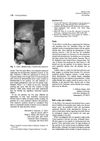
January 1989 in “Journal of The American Academy of Dermatology” The conclusion is that proper communication about the realistic effects of hair loss and skin aging treatments can improve dermatologists' credibility.