 55 citations
,
February 1985 in “Archives of Dermatology”
55 citations
,
February 1985 in “Archives of Dermatology” Minoxidil applied twice daily can help regrow hair in some people with hereditary baldness, with no serious side effects.
 53 citations
,
August 2019 in “Journal of The American Academy of Dermatology”
53 citations
,
August 2019 in “Journal of The American Academy of Dermatology” Oral minoxidil and topical minoxidil 5% both effectively improve female-pattern hair loss with safe side effects.
 53 citations
,
March 1987 in “Journal of The American Academy of Dermatology”
53 citations
,
March 1987 in “Journal of The American Academy of Dermatology” Minoxidil effectively regrows hair in male pattern baldness.
 52 citations
,
February 1985 in “Archives of Dermatology”
52 citations
,
February 1985 in “Archives of Dermatology” Minoxidil absorbs poorly through skin, with low risk of side effects at 1-2% concentration.
 51 citations
,
May 2010 in “Journal of Drug Targeting”
51 citations
,
May 2010 in “Journal of Drug Targeting” Transcutol-containing vesicles improve minoxidil's skin penetration and hair growth promotion.
 51 citations
,
March 1987 in “Journal of The American Academy of Dermatology”
51 citations
,
March 1987 in “Journal of The American Academy of Dermatology” Minoxidil keeps most hair growth from first year and twice-daily use is better with few side effects.
 49 citations
,
January 1980 in “Journal of Cardiovascular Pharmacology”
49 citations
,
January 1980 in “Journal of Cardiovascular Pharmacology” Minoxidil doesn't increase pericardial disorder risk, but may cause fluid accumulation.
 48 citations
,
June 1988 in “PubMed”
48 citations
,
June 1988 in “PubMed” Minoxidil sulfate relaxes muscle by increasing potassium flow, making it a unique muscle relaxer.
46 citations
,
March 2009 in “Die Pharmazie” Minoxidil-loaded nanostructured lipid carriers are effective for topical use.
 46 citations
,
April 1977 in “Southern Medical Journal”
46 citations
,
April 1977 in “Southern Medical Journal” Minoxidil causes excessive hair growth, but depilatory agent removes it safely and effectively.
 45 citations
,
November 1979 in “British Journal of Dermatology”
45 citations
,
November 1979 in “British Journal of Dermatology” Minoxidil causes excessive hair growth in almost all patients.
44 citations
,
January 1997 in “British Journal of Dermatology” Stopping 5% topical minoxidil can reverse unwanted hair growth on the face and limbs.
 44 citations
,
October 1989 in “International Journal of Pharmaceutics”
44 citations
,
October 1989 in “International Journal of Pharmaceutics” Minoxidil's effectiveness decreases as vehicle evaporates; concentration and thermodynamic activity matter.
 43 citations
,
August 2014 in “Dermatologic Therapy”
43 citations
,
August 2014 in “Dermatologic Therapy” Minoxidil response testing helps treat hair loss effectively and safely.
 43 citations
,
November 1992 in “International Journal of Dermatology”
43 citations
,
November 1992 in “International Journal of Dermatology” Minoxidil 2% effectively treats female hair loss, promoting growth and density.
 43 citations
,
May 1978 in “JAMA”
43 citations
,
May 1978 in “JAMA” Minoxidil controls blood pressure but may cause kidney damage and needs diuretics to prevent swelling.
 40 citations
,
December 2006 in “Journal of The European Academy of Dermatology and Venereology”
40 citations
,
December 2006 in “Journal of The European Academy of Dermatology and Venereology” Minoxidil helps hair regrowth in traction alopecia.
38 citations
,
January 1993 in “PubMed” Minoxidil was crucial in advancing scientific research and treatments for hair loss.
 37 citations
,
May 2016 in “JAAD case reports”
37 citations
,
May 2016 in “JAAD case reports” Oral minoxidil shows promise in treating monilethrix-related hair loss.
 37 citations
,
October 2009 in “Dermatology”
37 citations
,
October 2009 in “Dermatology” Minoxidil stimulates hair growth by increasing hair thickness and prolonging growth phase.
37 citations
,
March 1986 in “Acta Dermato Venereologica” 1% minoxidil didn't improve hair growth in severe alopecia areata.
 36 citations
,
September 2018 in “American Journal of Clinical Dermatology”
36 citations
,
September 2018 in “American Journal of Clinical Dermatology” Combination of 0.25% finasteride and 3% minoxidil works better than just 3% minoxidil for increasing hair thickness in women.
 36 citations
,
May 2015 in “Australasian Journal of Dermatology”
36 citations
,
May 2015 in “Australasian Journal of Dermatology” Low dose oral minoxidil helps regrow hair in permanent chemotherapy-induced alopecia.
 36 citations
,
March 2002 in “Journal of Biological Chemistry”
36 citations
,
March 2002 in “Journal of Biological Chemistry” Food deprivation increases MST enzyme in the brain, possibly affecting energy balance.
 36 citations
,
June 1990 in “Archives of Dermatology”
36 citations
,
June 1990 in “Archives of Dermatology” Using minoxidil and anthralin together can improve hair regrowth in severe alopecia areata patients who didn't respond to individual treatments.
35 citations
,
January 1990 in “PubMed” Cyclosporin A boosts hair growth in nude mice, but minoxidil does not.
 35 citations
,
July 1981 in “Clinical Pharmacology & Therapeutics”
35 citations
,
July 1981 in “Clinical Pharmacology & Therapeutics” Minoxidil can cause dangerous fluid buildup around the heart.
 34 citations
,
February 1999 in “Journal of Dermatological Science”
34 citations
,
February 1999 in “Journal of Dermatological Science” Minoxidil boosts enzymes that help hair growth.
 34 citations
,
October 1994 in “Journal of Pharmaceutical Sciences”
34 citations
,
October 1994 in “Journal of Pharmaceutical Sciences” Ethanol over 50% helps minoxidil absorb better into skin.
 34 citations
,
September 1985 in “Contact Dermatitis”
34 citations
,
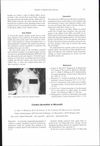
September 1985 in “Contact Dermatitis” Minoxidil can cause skin irritation like eczema and rash in some users.