6 citations
,
October 2011 in “ISRN Ophthalmology” Higher testosterone and dehydroepiandrosterone sulphate levels may help diagnose meibomian gland dysfunction.
2 citations
,
July 2022 in “bioRxiv (Cold Spring Harbor Laboratory)” Certain gut bacteria can lower androgen levels in male mice.
52 citations
,
March 2022 in “Biology of Sex Differences” Females have stronger immune responses to COVID-19 than males, leading to better outcomes.
79 citations
,
November 2016 in “EMBO Reports” Disruptions in mammary stem cell division can lead to cancer, but targeting these processes might help treat breast cancer.
Finasteride and dutasteride are not recommended for feminizing therapy due to limited effectiveness and potential risks.
 January 2018 in “Springer eBooks”
 Gender affects hair and scalp characteristics, with differences in hormone responses, graying patterns, and trace metals.
January 2026 in “Elsevier eBooks” 1 citations
,
September 2016 in “Plastic & Reconstructive Surgery Global Open” Facial Feminization Surgery is effective and safe, with minimal complications.
Men who strongly follow traditional masculinity are more likely to have cosmetic surgery to feel powerful and successful.
 20 citations
,
October 2017 in “Clinical Endocrinology”
20 citations
,
October 2017 in “Clinical Endocrinology” The conclusion is that removing both ovaries is the best treatment for excess male hormones in postmenopausal women, with medication as another option, and managing insulin resistance is important for diagnosis and treatment.
 November 2022 in “Journal of the Endocrine Society”
 A 13-year-old girl's masculine symptoms improved after surgery for a rare adrenal tumor that produced male hormones.

Menopause-related skin changes may increase fungal infections and inflammation.
 2 citations
,
October 2015 in “Obstetrics and gynaecology cases - reviews”
2 citations
,
October 2015 in “Obstetrics and gynaecology cases - reviews” Removing both ovaries may better treat increased male hormone levels and related symptoms in postmenopausal women when hormone therapy doesn't work.
 210 citations
,
November 2015 in “The Lancet HIV”
210 citations
,
November 2015 in “The Lancet HIV” PrEP for HIV is less effective in transgender women mainly due to low adherence to the treatment.
 23 citations
,
August 2005 in “Expert opinion on pharmacotherapy”
23 citations
,
August 2005 in “Expert opinion on pharmacotherapy” New treatments for low male hormones improved sexual function and mood but had unclear risks, especially for older men.
2 citations
,
July 2021 in “UNC Libraries” Mutations at Val-889 and Arg-752 disrupt key interactions in androgen receptor dimerization.
 January 2025 in “Journal of Men s Health”
 Young men's erectile dysfunction is linked to mental health issues and risky behaviors promoted by online communities, highlighting the need for better mental health support and healthy masculinity standards.
 9 citations
,
February 2012 in “Social Semiotics”
9 citations
,
February 2012 in “Social Semiotics” The document concludes that modern photo stories help represent and challenge how breast cancer affects women's identities and societal norms.

Male and female Gynostemma longipes plants have significant chemical differences.
 May 2009 in “South African Family Practice”
 The author believes that giving medical conditions official names can sometimes overwhelm or scare patients.
June 2025 in “JCEM Case Reports” False high testosterone levels were corrected using a more accurate test.
June 2026 in “Scientific Reports” Testosterone makes XX skin more like male skin by changing its structure and cell makeup.
 January 2024 in “Journal of surgical case reports”
 Removing an adrenal tumor can significantly reduce high androgen levels in postmenopausal women.
January 2020 in “International Journal of Trichology” Androgen-producing ovarian tumors can cause male-pattern hair loss in women.
January 2018 in “프로그램북(구 초록집)” 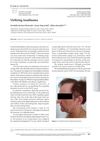 August 2025 in “Endokrynologia Polska”
 A rare pancreatic tumor caused a woman's male-like features, treated successfully with surgery and medication.
 June 2007 in “Expert Review of Dermatology”
 Men and women may have different risks of getting skin cancer.
 4 citations
,
November 2017 in “Hair transplant forum international”
4 citations
,
November 2017 in “Hair transplant forum international” Hair transplants are effective for some women and many male-to-female transgender patients if done carefully by an experienced team.
 10 citations
,
January 1977 in “Archives of Dermatology”
10 citations
,
January 1977 in “Archives of Dermatology” Androgenetic Alopecia is commonly known as male or female pattern baldness.
 April 2020 in “Journal of the Endocrine Society”
 A woman's severe hirsutism was caused by Leydig cell tumors in her ovaries, which improved after surgery.