 January 2020 in “Frontiers in Medical Case Reports”
 A dog developed skin issues from too many steroids, but reducing steroids and using a specific treatment fixed the problems.
 January 2020 in “Asian journal of applied science and technology”
 Good nutrition is crucial for health and preventing disease, and supplements can help prevent nutrient deficiencies.
 November 2019 in “Harper's Textbook of Pediatric Dermatology”
 The document is a detailed medical reference on skin and genetic disorders.

The document is a detailed guide on skin conditions and treatments for dermatologists.

Accurate diagnosis and tailored treatments are crucial for managing hair loss in humans and animals.
 April 2019 in “The journal of investigative dermatology/Journal of investigative dermatology”
 848 genes related to fat and metabolism are less active in people with Central Centrifugal Cicatricial Alopecia.
 April 2019 in “Journal of Investigative Dermatology”
 The PROCLIPI study found markers that help predict outcomes in skin lymphoma patients.
 April 2019 in “Journal of Investigative Dermatology”
 Young, lower-income men are more likely to visit the emergency department for severe sunburns, especially in the summer and on weekends.
 April 2019 in “Journal of Investigative Dermatology”
 More dermatologists in an area are linked to better survival rates for melanoma.
 January 2019 in “Elsevier eBooks”
 Early detection and skin biopsies are crucial for treating skin cancer and diagnosing various skin conditions.
 June 2018 in “Acta Scientiae Veterinariae”
 Tailored treatment plans are crucial for managing canine dermatomyositis-like disease.
 January 2018 in “Springer eBooks”
 Athletes need effective management of skin disorders for their performance and well-being.

VCFO effectively treats fungal infections in cats and promotes hair regrowth.
 January 2018 in “Elsevier eBooks”
 The document concludes that proper diagnosis and treatment of follicular disorders are crucial, with specific treatments for conditions like acne, drug-induced eruptions, and rosacea.
 December 2017 in “Springer eBooks”
 Transplant patients often get skin problems, with treatments varying by condition.
 August 2017 in “Companion animal”
 Focal alopecia in dogs has many causes and requires various tests for accurate diagnosis and treatment.

Proper care and diet are crucial to prevent health issues in gerbils.
 July 2017 in “British Journal of Dermatology”
 The document concludes that scalp conditions have various causes and can present in many different ways.
 June 2017 in “Acta Scientiae Veterinariae”
 A cat with a rare pancreatic tumor and diabetes died despite treatment, showing similar symptoms to a human condition.
 January 2017 in “Springer eBooks”
 The document explains various skin conditions and their treatments.
 January 2017 in “Acta dermato-venereologica”
 The congress showed that psychological therapy can help skin condition patients, social media affects acne stigma, education improves atopic dermatitis, and patient satisfaction in dermatology is high, especially with good doctor engagement.
 December 2016 in “John Wiley & Sons, Ltd eBooks”
 The document concludes that proper recognition and treatment of skin appendage disorders are important for management.
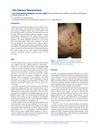 October 2016 in “Elsevier eBooks”
 Common noncancerous skin diseases have various treatments, including topical applications, light therapy, surgery, and medications, with psychological support being important.
 April 2016 in “Journal of the American Academy of Dermatology”
 Dermoscopy helped correctly diagnose a skin condition that was previously misidentified as a different hair loss disease.
 December 2015 in “Biomedical and biopharmaceutical research”
 Argan oil makes hair care products spread better and improves their texture.
 September 2015 in “University of Southern Denmark Research Portal (University of Southern Denmark)”
 The guideline offers recommendations for diagnosing and managing PCOS and its complications.
 January 2015 in “Durham e-Theses (Durham University)”
 Adipose tissue changes in obesity can trigger stress in fat cells.
 July 2014 in “Elsevier eBooks”
 The document concludes that various hypersensitivity diseases in horses can be diagnosed and treated with methods like immunotherapy and medication, and early aggressive treatment is crucial for severe diseases like equine cutaneous pythiosis.
 July 2014 in “Disease-a-Month”
 The document gives treatment advice for various skin conditions, like using metronidazole for perioral dermatitis and minoxidil for hair loss.
 March 2014 in “Journal of The American Academy of Dermatology”
 The document lists various dermatology topics, treatments, and diagnostic methods.