6 citations
,
October 2021 in “Biomedical Research and Therapy” Alopecia areata patients have higher levels of IL-6 and TNF-α.
January 2026 in “Experimental Dermatology” Skin-resident memory T cells may contribute to chronic alopecia areata and baricitinib could be a potential treatment.
November 2025 in “Journal of Investigative Dermatology” IMG-007 helps regrow hair and reduce scalp inflammation in severe alopecia areata.
December 2011 in “Journal of the Turkish Academy of Dermatology” Pityriasis rubra pilaris can occur with myasthenia gravis.
1 citations
,
January 2022 in “Annals of Dermatology” A new mutation in the MBTPS2 gene causes a mild form of IFAP syndrome.
 January 2023 in “Tehnika”
 Biomedical engineers are crucial for developing better treatments for chronic and autoimmune diseases.
55 citations
,
October 2015 in “Journal of Investigative Dermatology” Alopecia areata is linked to immune-related genes, suggesting JAK inhibitors as a potential treatment.
2 citations
,
November 2019 in “International Journal of Dermatology and Venereology” Chronic autoimmune urticaria can be managed with specific therapies and requires improved diagnosis and treatment methods.
ANE syndrome is caused by a mutation in the RBM28 protein that disrupts ribosome assembly.
 3 citations
,
January 2015 in “Turkiye Klinikleri Journal of Medical Sciences”
3 citations
,
January 2015 in “Turkiye Klinikleri Journal of Medical Sciences” Corticosteroids may not effectively control oxidative stress in alopecia areata, possibly leading to relapses.
1 citations
,
April 2024 in “Indian Journal of Pharmacy Practice” Autoimmune skin disorders are caused by genetic and environmental factors and are treated with various medications and preventative strategies.
 April 2012 in “Journal of the American Academy of Dermatology”
 Clofazimine effectively treated ashy dermatosis in a patient.
 May 2012 in “CRC Press eBooks”
 Some patients on anti-TNF drugs experience a type of hair loss called TAIAPA.
March 2005 in “Journal of the American Academy of Dermatology” Recognizing minor skin lesions can help identify serious cancer syndromes.
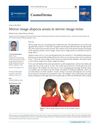
Mirror-image twins can have alopecia areata on opposite sides of their heads.
 August 2024 in “Clinical Cosmetic and Investigational Dermatology”
 Hypothyroidism may cause certain types of hair loss.
 January 2026 in “Acta Dermatovenerologica Alpina Pannonica et Adriatica”
 Accurate diagnosis is crucial for effectively treating severe alopecia and related symptoms.
75 citations
,
October 2012 in “Journal of Investigative Dermatology” Alopecia areata can be triggered by specific immune cells without genetic or environmental factors.
 November 2024 in “Rheumatology Advances in Practice”
 Monitor for early signs of azathioprine toxicity and check blood counts regularly.
 278 citations
,
March 2013 in “Gut”
278 citations
,
March 2013 in “Gut” Anti-IL-12/IL-23 antibody therapy effectively treats psoriasiform skin lesions in IBD patients.
The treatment was not recommended due to limited effectiveness and significant side effects.
 November 2025 in “Mendeley Data”
 JAK inhibitors can be safely used in alopecia areata patients with latent hepatitis B or tuberculosis, with proper monitoring.
 44 citations
,
August 1996 in “Drugs & Aging”
44 citations
,
August 1996 in “Drugs & Aging” Mitoxantrone is effective for treating acute leukemia, especially in older patients, with a lower risk of heart damage.
A 16-year-old girl with lupus symptoms improved with treatment despite negative ANA tests.
 6 citations
,
November 2008 in “Journal of Dermatological Science”
6 citations
,
November 2008 in “Journal of Dermatological Science” Certain proteins involved in DNA modification may affect the genetic changes in systemic lupus erythematosus and could indicate the disease's activity.
 May 2025 in “The Journal of Rheumatology”
 Middle-aged women with dilated cardiomyopathy should be screened for antiphospholipid syndrome.
 January 2024 in “Medical mycology journal”
 A mother and her two daughters got a skin infection from their cat.
 November 2022 in “The journal of investigative dermatology/Journal of investigative dermatology”
 A patient with a new PLEC gene mutation showed symptoms of both muscular dystrophy and myasthenia gravis, which improved with steroid treatment.
March 2026 in “Skin Appendage Disorders” Belatacept may be a promising treatment for alopecia areata.
 April 2017 in “Journal of Investigative Dermatology”
 Certain microRNAs may protect against hair loss in alopecia areata and could be potential treatment targets.