 May 2022 in “Research Square (Research Square)”
 Nestin marks cells that can become a specific type of skin cell in hair follicles of both developing and adult mice.
 June 2021 in “bioRxiv (Cold Spring Harbor Laboratory)”
 Gene therapy in mice increased lifespan and improved health without causing cancer.

Plant roots respond to fungus smells by possibly using certain proteins and a plant hormone to change root growth, but more research is needed.
 July 2020 in “bioRxiv (Cold Spring Harbor Laboratory)”
 The structure of SRD5A reveals how it reduces steroids, aiding drug design for related health conditions.
 January 2020 in “Research Portal Denmark”
 A short male anogenital distance may indicate incomplete masculinization due to disrupted androgen action.
 January 2020 in “Medical journal of clinical trials & case studies”
 A 37-year-old male with severe skin and internal issues has a rare inherited skin condition called dystrophic epidermolysis bullosa.
 January 2019 in “Springer eBooks”
 Modified HDL can better deliver drugs and genes, potentially improving treatments and reducing side effects.
 October 2018 in “Current Opinion in Genetics & Development”
 The document emphasizes the importance of ongoing research and ethical considerations in genome editing and cellular reprogramming.
 January 2018 in “Stem cell biology and regenerative medicine”
 ATP-dependent chromatin remodeling is crucial for skin development and stem cell function.
 January 2018 in “Stem cell biology and regenerative medicine”
 The conclusion is that the nuclear lamina and LINC complex in skin cells respond to mechanical signals, affecting gene expression and cell differentiation, which is important for skin health and can impact skin diseases.
 January 2018 in “Stem cell biology and regenerative medicine”
 The nucleus is key in controlling skin growth and repair by coordinating signals, gene regulators, and epigenetic changes.
 August 2016 in “PolyPublie (École Polytechnique de Montréal)”
 Doxorubicin causes heart damage, so early detection and monitoring are important during chemotherapy.
 June 2015 in “Biomedical and biopharmaceutical research”
 The congress showed advancements in skin hydration, barrier function, and safe, effective new cosmetic formulations.
 September 2013 in “Science”
 Undergraduate research experiences boost students' research skills, confidence, and career aspirations.
 September 2013 in “Science”
 The document concludes that human astrocytes aid stroke recovery, research confidence affects student career aspirations, collagen affects cancer spread, a microRNA suppresses brain cancer growth, calmodulin regulates water channels, and small magnesium pieces deform differently.
 September 2013 in “Science”
 Certain astrocytes can protect the brain and improve recovery after a stroke, and a hair loss drug might reduce cancer spread.
 September 2013 in “Science”
 Human stem cells can aid stroke recovery, research experiences boost students' career aspirations, minoxidil may reduce cancer spread, a molecule can slow tumor growth, a protein affects water flow in cells, magnesium behaves differently at tiny scales, and a new method detects slow-moving objects.
 September 2013 in “Science”
 Special astroglia cells improved stroke recovery in rats, a hair growth drug reduced cancer spread, and tiny magnesium structures were more easily shaped.
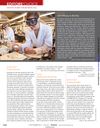 September 2013 in “Science”
 Special astrocytes improved learning and memory in rats after a stroke.
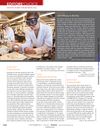 September 2013 in “Science”
 Transplanted human Olig2+ astroglia may help improve learning and memory after a stroke.
 December 2012 in “Journal of Dermatological Science”
 Estrogen increases a growth factor in hair cells which might affect hair loss.
 January 2012 in “Methods in pharmacology and toxicology”
 TRPV3 could be a target for treating pain, skin disorders, and hair problems, but more research is needed to create effective drugs.
 August 2009 in “Mechanisms of Development”
 Adult hair follicle cells can create new hair follicles from corneal cells with the right support.

The vitamin D receptor has many roles in the body beyond managing calcium, affecting the immune system, hair growth, muscles, fat, bone marrow, and cancer cells.
 January 2006 in “Advances in developmental biology”
 The Hairless gene is crucial for healthy skin and hair growth.
 October 2003 in “Journal of Investigative Dermatology Symposium Proceedings”
 Mice treatments didn't grow hair, a patient treatment may affect immune response, and people with hair loss often feel anxious or depressed.
 May 2021 in “Experimental Cell Research”
 FOXC1 boosts SFRP1 in hair loss, suggesting new treatments.
 April 2018 in “Journal of Chromatographic Science”
 Finasteride's stability and safety confirmed through precise analytical methods.

Dermal stem cells help regenerate hair follicles and heal skin wounds.
 March 2000 in “The Journal of pharmacy technology”
 Finasteride effectively treats mild to moderate hair loss in men aged 18-41, with some side effects.