100 citations
,
October 2006 in “Rapid Communications in Mass Spectrometry” A quick method effectively detects banned substances in urine.
4 citations
,
January 1989 Allergic reactions to minoxidil may be due to the propylene glycol it is mixed with, not the minoxidil itself.
 June 2023 in “Brazilian Journal of Case Reports”
 Botulinum Toxin Type A delivered through the skin may be a promising treatment for Frontal Fibrosing Alopecia.
23 citations
,
November 1964 in “Journal of Dairy Science” High molybdenum and sulfate sulfur levels can cause health issues in cattle, but adding copper helps.
50 citations
,
September 1998 in “Ecotoxicology and Environmental Safety” High thallium contamination severely harms small mammal populations, causing health issues and low population density.
1 citations
,
January 2002 in “PubMed” PM-9, like finasteride, may help treat certain diseases by blocking a key enzyme.
 38 citations
,
June 2005 in “Contact Dermatitis”
38 citations
,
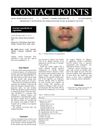
June 2005 in “Contact Dermatitis” Patient had scalp allergy from minoxidil; test helped identify cause and suggest alternative treatments.
 17 citations
,
July 2019 in “Majalah Obat Tradisional”
17 citations
,
July 2019 in “Majalah Obat Tradisional” Tannin effectively inhibits and degrades biofilms from certain bacteria and fungi.
Forensic hair analysis for drugs is now more reliable and accurate.
11 citations
,
January 2016 in “Mycoses” Human black hair is best for distinguishing between T. mentagrophytes and T. verrucosum.
6 citations
,
February 1998 in “PubMed” MPA patients have lower zinc and manganese, higher copper, and similar iron levels in hair compared to healthy men.

Higher sulfotransferase enzyme levels predict better response to minoxidil for hair growth.
76 citations
,
October 2000 in “Journal of the American Academy of Dermatology” Follicular mucinosis can be an early sign of aggressive mycosis fungoides.
2 citations
,
January 2002 in “PubMed” Proper identification of dermatophytes is crucial for diagnosing and treating infections like athlete's foot and ringworm.
 41 citations
,
December 2015 in “Journal of the European Academy of Dermatology and Venereology”
41 citations
,
December 2015 in “Journal of the European Academy of Dermatology and Venereology” The conclusion is that a new biopsy technique and humidity chamber help study skin mites better and suggest mite overpopulation may cause skin diseases.
January 2011 in “Journal of Jiangnan University” A reliable method was developed to measure minoxidil in hair products.
24 citations
,
January 2022 in “Journal of Nanobiotechnology” Quaternary ammonium iminofullerenes help maize roots grow better under stress by reducing oxidative damage.
49 citations
,
April 2017 in “AFRICAN JOURNAL OF BIOTECHNOLOGY” Silver nanoparticles made by fungi are eco-friendly and effective antimicrobials.
 September 1995 in “American Journal of Contact Dermatitis”
 Antiyeast treatments work better for seborrheic dermatitis than steroids, and other findings include increased skin bacteria under plastic wrap, a nasal cell defect in Staphylococcus aureus carriers, quick resolution of certain skin reactions, high rubber latex allergy in spina bifida patients, and glyceryl monopentadecanoate's effectiveness for male hair loss.
September 2025 in “Animals” Accurate diagnosis and effective treatment are crucial to manage and prevent the spread of skin fungal infections in animals.
 15 citations
,
January 2008 in “Annales de Toxicologie Analytique”
15 citations
,
January 2008 in “Annales de Toxicologie Analytique” Hair test results can be misleading due to contamination, so they shouldn't be used alone to determine drug use.
39 citations
,
May 2006 in “Molecular Plant-Microbe Interactions” Fusaric acid may help control Orobanche ramosa by activating plant defenses.
 5 citations
,
January 2004 in “Biochimie”
5 citations
,
January 2004 in “Biochimie” Arsenic trioxide effectively treats APL, improving survival rates despite its toxicity.
 March 2013 in “Molecular & Cellular Toxicology/Molecular & cellular toxicology”
 m-Aminophenol in hair dye can cause skin cell toxicity and stress responses.
 June 2025 in “Indian Journal of Heterocyclic Chemistry”
 A new method accurately measures minoxidil and finasteride in medicines.
13 citations
,
July 1978 in “Journal of comparative pathology” Acanthospermum hispidum is toxic to mice, causing death and damage to internal organs.
 65 citations
,
January 2005 in “American journal of clinical dermatology”
65 citations
,
January 2005 in “American journal of clinical dermatology” Children with scalp fungal infections need proper diagnosis and treatment, usually with antifungal medications, and newer drugs may offer quicker recovery.
 46 citations
,
January 2009 in “Textile Research Journal”
46 citations
,
January 2009 in “Textile Research Journal” Researchers developed a new method to identify animal hair in textiles, which is effective for various fibers and more reliable than previous methods.
 February 2006 in “Journal of The American Academy of Dermatology”
 Terbinafine is more effective than itraconazole for toenail fungus, especially in older patients, and debridement improves its effectiveness.
 December 2019 in “University of Malaya Students Repository”
 Mimosine from Leucaena leucocephala can enhance biodiesel stability.