 10 citations
,
July 2022 in “Journal of Medicinal Chemistry”
10 citations
,
July 2022 in “Journal of Medicinal Chemistry” Adding a second method to PROTACs could improve cancer treatment.
27 citations
,
February 2020 in “EMBO Reports” MEX3A is crucial for maintaining intestinal stem cells in mice.
6 citations
,
June 2024 in “Biofabrication” A small 3D skin model helps study how immune cells move in the skin.
12 citations
,
October 2006 Matriptase imbalance contributes to cancer development and spread.
66 citations
,
March 2016 in “Nucleic Acids Research” Musashi-2 limits epithelial cell movement and affects cell growth.
10 citations
,
November 2009 in “Pigment cell & melanoma research” The document concludes that MGRN1 affects mouse fur color by interfering with a receptor's signaling, but its full role in the body is still unknown.
7 citations
,
October 2008 in “Arthritis Care & Research” Aggressive immunosuppressive treatment improved a woman's severe heart condition linked to autoimmune disease.
Par3–mInsc and Gαi3 work together to ensure proper cell division orientation in skin development.
 1 citations
,
May 2025 in “The Journal of Rheumatology”
1 citations
,
May 2025 in “The Journal of Rheumatology” Careful monitoring is crucial to prevent JC virus reactivation in lupus patients treated with rituximab.
May 2026 in “Chemical Engineering Journal” 12 citations
,
August 2013 in “Journal of Dermatological Science” The MAGE3 hypothesis for alopecia areata did not lead to a significant breakthrough.
 53 citations
,
September 2020 in “Stem Cell Research & Therapy”
53 citations
,
September 2020 in “Stem Cell Research & Therapy” New methods to improve the healing abilities of mesenchymal stem cells for disease treatment are promising but need more research.
February 2026 in “Advanced Science” TTNPB helps turn stem cells into neural stem cells, improving depression-like behaviors in rats.
July 2017 in “OPAL (Open@LaTrobe) (La Trobe University)” High-throughput LC-MS screening is effective for finding new autotaxin inhibitors for asthma treatment.
 7 citations
,
February 2010 in “British Journal of Dermatology”
7 citations
,
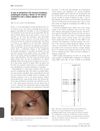
February 2010 in “British Journal of Dermatology” A woman with a rare autoimmune disorder had a blister on her eye and unique immune reaction, which was effectively treated with medication.
 15 citations
,
May 2016 in “Archives of Dermatological Research”
15 citations
,
May 2016 in “Archives of Dermatological Research” ULBP3 could be a marker for diagnosing alopecia areata incognita and may be linked to its cause and development.
1 citations
,
December 2007 in “Journal of Microbiology and Biotechnology” Minoxidil in triamino alpha-cyclodextrin promotes hair growth effectively.
5 citations
,
June 2024 in “Pharmacological Research” FOL-026 peptide may help hair growth and cardiovascular health by improving blood flow and cell functions.
December 2014 in “대한미용학회지” 3% peppermint oil promotes hair growth and has strong antibacterial properties.
9 citations
,
March 2017 in “Journal of Visualized Experiments” The assay effectively identifies compounds that affect immune cell activation.
 5 citations
,
January 2024 in “The International Journal of Developmental Biology”
5 citations
,
January 2024 in “The International Journal of Developmental Biology” Mouse models help target specific genes in lymphatic cells for research.
 June 2023 in “Journal of Burn Care & Research”
 Using both bone marrow concentrate and platelet-rich plasma together improves skin wound healing in mice.
 November 2023 in “The journal of investigative dermatology/Journal of investigative dermatology”
 ARQ-234, a protein designed to treat atopic dermatitis, shows increased effectiveness in early testing.
9 citations
,
August 2023 in “Molecules” Two peptides, RMYYY and VMYMI, may be effective anti-inflammatory drugs.
19 citations
,
August 2024 in “Cell Host & Microbe”  April 2021 in “Journal of Investigative Dermatology”
 The new skin-targeted COVID-19 vaccine creates strong immune responses and could improve vaccination methods.
 8 citations
,
February 2013 in “Central European Journal of Biology”
8 citations
,
February 2013 in “Central European Journal of Biology” Melanocytes are diverse cells important for pigmentation and skin health, influenced by genetics and environment.
February 2026 in “Biophysical Journal” 29 citations
,
July 2008 in “British Journal of Dermatology” The patient had paraneoplastic pemphigus without mucosal involvement.
11 citations
,
March 2015 in “Life sciences” Vitamin D3-activated cell byproduct promotes hair growth in mice by increasing blood vessel growth.