18 citations
,
July 2013 in “Journal of Leukocyte Biology” Nonimmunogenic forms of keratins K71 and K31 can delay and prevent alopecia areata.
1 citations
,
December 2023 in “Molecules/Molecules online/Molecules annual” JAK inhibitors show promise for treating various skin diseases.
1 citations
,
October 2023 in “BMC Genomics” miRNAs in the Dlk1-Gtl2 region may improve lamb fur quality.
33 citations
,
October 2006 in “European Journal of Immunology” The CD44-CD49d complex boosts T cell activation and survival in autoimmune disease.
49 citations
,
August 2022 in “Frontiers in Immunology” Psoriasis involves an imbalance between certain immune cells, and targeting these could help restore skin health.
 5 citations
,
February 2017 in “Biomolecules & Therapeutics”
5 citations
,
February 2017 in “Biomolecules & Therapeutics” 4-O-Methylhonokiol helps protect skin cells from growth-stopping effects of a protein by regulating growth-related pathways.
July 2026 in “Dermatology Practical & Conceptual” IL-17 and IL-23 inhibitors can cause skin reactions that may require different treatments.
July 2024 in “Journal of Investigative Dermatology” Expanding regulatory T cells may help treat alopecia areata by reducing harmful immune cells.
 November 2003 in “Journal of Investigative Dermatology”
 Topical Imiquimod may fight vascular tumors by affecting blood vessels or the immune system, low iron might be linked to some hair loss, removing the top skin layer helps vitamin C get in, genetic testing helps diagnose skin conditions, and too much iron could worsen skin inflammation.
 69 citations
,
January 2013 in “Frontiers in Immunology”
69 citations
,
January 2013 in “Frontiers in Immunology” The FOXN1 gene is crucial for developing immune cells and preventing immune disorders.
May 2005 in “Molecular Carcinogenesis” mrp/plf-mRNA can indicate tumor-promoting effects in skin.
June 2016 in “Afro-Egyptian Journal of Infectious and Endemic Diseases” Most patients on this hepatitis C treatment experienced skin issues, especially hair loss.
 2 citations
,
March 2015 in “Hepatitis Monthly”
2 citations
,
March 2015 in “Hepatitis Monthly” A woman's hair loss during Hepatitis C treatment with PEG-INF-a-2a and Ribavirin was reversible after stopping the medication.
 24 citations
,
April 2013 in “PLOS ONE”
24 citations
,
April 2013 in “PLOS ONE” TNFα, IFNγ, and Substance P significantly affect prolactin levels in human skin, suggesting new treatments for skin and hair conditions.
January 2018 in “Journal of Investigative Dermatology” Blocking certain pathways with kinase inhibitors may help treat cutaneous lupus erythematosus.
 27 citations
,
April 2005 in “Journal of Chemotherapy”
27 citations
,
April 2005 in “Journal of Chemotherapy” Some patients may experience temporary total hair loss from hepatitis C treatment with PEG-interferon and ribavirin.
6 citations
,
May 2018 in “Zeitschrift für Rheumatologie” A woman with rheumatoid arthritis lost all her hair during adalimumab treatment, and stopping the drug didn't help.
 1 citations
,
May 2022 in “bioRxiv (Cold Spring Harbor Laboratory)”
1 citations
,
May 2022 in “bioRxiv (Cold Spring Harbor Laboratory)” Ulcerative colitis involves immune activation, chronic inflammation, and metabolic issues, some of which persist even during remission.
 April 2026 in “Clinical Journal of Gastroenterology”
 Upadacitinib can cause hypersensitivity that worsens ulcerative colitis symptoms.
48 citations
,
September 2020 in “Frontiers in Immunology” Loss of OGG1 increases skin inflammation and auto-antibodies in lupus.
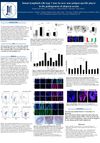
Innate lymphoid cells type 1 may contribute to alopecia areata by damaging hair follicles.
 33 citations
,
September 2017 in “Journal of clinical immunology”
33 citations
,
September 2017 in “Journal of clinical immunology” New treatments for immune disorders caused by FOXN1 deficiency are promising.
 July 2022 in “The journal of investigative dermatology/Journal of investigative dermatology”
 Particulate matter causes inflammation in hair cells, potentially harming hair growth.
181 citations
,
January 2019 in “Cell” Innate lymphoid cells help control skin bacteria by regulating sebaceous glands.
21 citations
,
February 2006 in “Clinical Cancer Research” Mitf plays a key role in melanoma progression and is linked to disease stage.
May 2024 in “The Journal of Immunology” IL-27 can prevent hair loss in alopecia areata.
2 citations
,
May 2020 in “JAAD case reports” Ruxolitinib can cause a delayed skin reaction on the nose.
 2 citations
,
November 2015 in “Journal of Investigative Dermatology”
2 citations
,
November 2015 in “Journal of Investigative Dermatology” RANKL improves the immune response against herpes simplex virus by enhancing T cell activation and could help develop better treatments or vaccines.
 7 citations
,
September 2020 in “Frontiers in Cell and Developmental Biology”
7 citations
,
September 2020 in “Frontiers in Cell and Developmental Biology” IL-36α helps grow new hair follicles and speeds up wound healing.

RIPK1 inhibitors might help prevent alopecia areata.