 23 citations
,
January 2011 in “International Journal of Immunopathology and Pharmacology”
23 citations
,
January 2011 in “International Journal of Immunopathology and Pharmacology” Minoxidil 2% effectively treats Monilethrix without side effects.
 31 citations
,
August 1975 in “Journal of Pharmaceutical Sciences”
31 citations
,
August 1975 in “Journal of Pharmaceutical Sciences” Minoxidil metabolizes similarly in monkeys and humans, but differently in dogs and rats.
 8 citations
,
January 2011 in “Organic and Biomolecular Chemistry”
8 citations
,
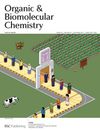
January 2011 in “Organic and Biomolecular Chemistry” Minoxidil reacts to nitrosation 7 times more than phenol, mainly due to its -NH₂ groups, leading to the creation of N-nitrosominoxidil.
12 citations
,
January 2019 in “AIP conference proceedings” Propolis from Tetragonula biroi bees may help fight cancer cells.
January 2025 in “Dermatology Research and Practice” Higher activity in lichen planopilaris is linked to certain immune and tissue genes.
 May 2025 in “Pediatric Dermatology”
 Topical and oral minoxidil are the best treatments for monilethrix.
 7 citations
,
June 2020 in “Experimental dermatology”
7 citations
,
June 2020 in “Experimental dermatology” Researchers found that certain lipids, especially vitamin D3, are lower in prematurely grey hair than in pigmented hair.
November 2025 in “Phytomedicine” L-rhamnose may promote hair growth by boosting energy production in cells.
 15 citations
,
June 2018 in “Journal of Chromatographic Science”
15 citations
,
June 2018 in “Journal of Chromatographic Science” Researchers developed a method to measure plant compounds in rat blood and found they are quickly absorbed and eliminated within 36 hours.
 February 2024 in “Trends in Sciences”
 Store Tectona grandis leaf extracts in slightly acidic, light-protected conditions for best stability.
 3 citations
,
March 2015 in “Biomolecules & Therapeutics”
3 citations
,
March 2015 in “Biomolecules & Therapeutics” Phospholipids from pig lungs can significantly promote hair growth.
November 2025 in “Plant Foods for Human Nutrition” 14 citations
,
September 1983 in “Acta Dermato Venereologica” Citral increases sebaceous gland activity in male rats.
 8 citations
,
September 2016 in “Asian journal of beauty & cosmetology”
8 citations
,
September 2016 in “Asian journal of beauty & cosmetology” Dendropanax morbifera leaf extract could be good for hair growth and cosmetic products because of its antioxidant properties and growth factor effects.
26 citations
,
December 2003 in “Experimental Dermatology” Specific keratin gene mutations can cause monilethrix.
January 1994 in “Memorial University Research Repository (Memorial University)” Oleosomes help cell growth in Sesbania rostrata nodules but don't aid nitrogen fixation.
 7 citations
,
December 2021 in “Annals of Phytomedicine An International Journal”
7 citations
,
December 2021 in “Annals of Phytomedicine An International Journal” Silver nanoparticles from Laurus nobilis leaves may be a new, safer antiarthritic treatment.
 August 2023 in “Journal of Cosmetic Dermatology”
 Some plants like spinach, broccoli, and matcha may boost the effectiveness of the hair growth drug minoxidil.
6 citations
,
June 1976 in “Journal of Investigative Dermatology”  June 2024 in “International Journal of Cosmetic Science”
 Plant oils like coconut, camellia, and safflower can penetrate hair, making it stronger and softer.
 16 citations
,
August 2004 in “Tetrahedron”
16 citations
,
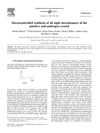
August 2004 in “Tetrahedron” Scientists made all eight versions of a compound called cyoctol, but found it's not an anti-androgen and it fully breaks down in the skin.
6 citations
,
October 2011 in “InTech eBooks” Soybean seeds have the most carbohydrates at growth stage R 5.5.
 May 2024 in “Journal of cosmetic dermatology”
 Heat-treated Limosilactobacillus fermentum with menthol, salicylic acid, and panthenol promotes hair growth and balances scalp microbiome in people with androgenetic alopecia.
 51 citations
,
July 2013 in “Bioorganic & Medicinal Chemistry Letters”
51 citations
,
July 2013 in “Bioorganic & Medicinal Chemistry Letters” Compounds from Polygonum multiflorum root, especially a new one, can boost hair growth more effectively than common treatments.
6 citations
,
January 2015 in “Journal of clinical & experimental dermatology research” The combination therapy may be more effective for mild alopecia areata, especially in patients with allergies.
March 2023 in “Reactions Weekly” January 2023 in “Reactions Weekly” January 2023 in “Reactions Weekly” January 2023 in “Reactions Weekly” 2 citations
,
March 2021 in “Journal of nanoscience and nanotechnology” Nanoliposomes loaded with saw palmetto extract could be good for treating hair loss.