February 2016 in “Annals of the Rheumatic Diseases” All four treatments for early rheumatoid arthritis had similar and mostly mild side effects.
September 2024 in “Journal of the American Academy of Dermatology”  May 2010 in “Dermatologic Clinics”
 The document concludes that new treatments for skin conditions are complex but effective, including spironolactone for female hair loss and propranolol for infantile hemangiomas.
The document explains how certain drugs block hormones to treat cancers like breast and prostate cancer.
 34 citations
,
January 2011 in “Fundamental & Clinical Pharmacology”
34 citations
,
January 2011 in “Fundamental & Clinical Pharmacology” New treatments for PCOS show promise, but no current medication treats all aspects of the condition.
December 2025 in “Drug Design Development and Therapy” Anlotinib combined with taxane/capecitabine is more effective than bevacizumab for treating HER-2 negative metastatic breast cancer.
12 citations
,
March 2021 in “Patient Preference and Adherence” Patients and oncologists prioritize survival benefits, while payers focus on treatment costs.
 19 citations
,
July 2007 in “Dermatologic clinics”
19 citations
,
July 2007 in “Dermatologic clinics” Tailor treatments for vitiligo to patient needs for best results.
87 citations
,
January 1996 in “Journal of cellular biochemistry” Over 30 potential cancer prevention treatments are being tested, with some showing promise in early research.
 1 citations
,
September 2023 in “Journal of The American Academy of Dermatology”
1 citations
,
September 2023 in “Journal of The American Academy of Dermatology” Low dose oral minoxidil can help with hair loss when used alone.
3 citations
,
May 2023 in “Journal of the American Academy of Dermatology” Certain drugs can cause hair loss, but stopping the drug usually leads to hair regrowth.
Intralesional steroids are the most effective treatment for alopecia areata.
 January 2012 in “The Year book of dermatology”
 Many treatments for alopecia areata have inconsistent results; for under 10s, use minoxidil with a corticosteroid, and for over 10s, add ILC and consider diphenylcyclopropenone for widespread cases.
 56 citations
,
April 2003 in “Fertility and Sterility”
56 citations
,
April 2003 in “Fertility and Sterility” All three treatments reduce hirsutism, but spironolactone works best long-term.
 February 2015 in “Vestnik dermatologii i venerologii”
 The document doesn't provide enough information to summarize.
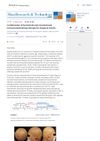 July 2023 in “Skin Research and Technology”
 Baricitinib combined with other immune therapies may safely and effectively treat severe scalp hair loss.
 1 citations
,
November 2018 in “Dermatologic Therapy”
1 citations
,
November 2018 in “Dermatologic Therapy” Compounded topical preparations should be used with caution for severe psoriasis and generally come after systemic treatments.
 34 citations
,
April 2009 in “Expert Opinion on Pharmacotherapy”
34 citations
,
April 2009 in “Expert Opinion on Pharmacotherapy” Some treatments work for common baldness, but there's less evidence for other hair loss types, and more research is needed.
1 citations
,
December 2017 in “Dermatology - Open Journal” Alopecia areata was successfully treated with contact immunotherapy, oral antihistamines, and topical corticosteroids.
 48 citations
,
October 1996 in “Dermatologic clinics”
48 citations
,
October 1996 in “Dermatologic clinics” Some treatments can help with hair regrowth in alopecia areata, but results vary and long-term use is often needed without changing the disease's outcome.
37 citations
,
November 2011 in “Photodermatology Photoimmunology & Photomedicine” Narrowband UVB phototherapy alone is not very effective for treating alopecia areata.
March 2025 in “International Journal of Trichology” Oral minoxidil improved hair thickness in a person with monilethrix.
 May 2023 in “Elsevier eBooks”
 Some treatments that modify the immune system might help with certain types of hair loss but haven't been explored for common hair loss alone.
 August 2025 in “MedScien”
 Tumor-targeted drug carriers can improve chemotherapy precision and reduce side effects.
13 citations
,
August 1995 in “British Journal of Dermatology” Topical immunotherapy is more effective than dapsone for treating severe alopecia areata.
New acne treatments like clascoterone and minocycline foam are effective, and using antibiotics carefully is important to avoid resistance.
 June 2026 in “Frontiers in Immunology”
 Upadacitinib effectively treated severe atopic dermatitis, vitiligo, and alopecia areata in one patient.
 June 2024 in “International Journal of Research in Dermatology”
 Combining PRP and minoxidil is more effective for hair loss than using either alone.
February 2006 in “PubMed” Docetaxel slightly extends prostate cancer survival but has significant side effects and high cost.
September 2025 in “Journal of Natural Remedies” Herbal drugs show promise for treating alopecia with fewer side effects, but standardization is challenging.