Search
for
Sort by
Research
30-60 / 1000+ results
research A 12-week treatment with the long-acting glucagon-like peptide 1 receptor agonist liraglutide leads to significant weight loss in a subset of obese women with newly diagnosed polycystic ovary syndrome
Liraglutide caused significant weight loss in some obese women with PCOS, especially those with severe obesity and insulin resistance.
research A Review of hormone-based therapies to treat adult acne vulgaris in women
Hormone therapies like birth control pills and spironolactone are safe and effective for treating women's adult acne.
research Off-Label Uses of Topical Vitamin D in Dermatology: A Systematic Review
Topical vitamin D is useful for some skin conditions but not effective for others, and more research is needed.
research Efficacy of non-surgical treatments for androgenetic alopecia in men and women: a systematic review with network meta-analyses, and an assessment of evidence quality
Minoxidil and finasteride work best for hair loss; more research needed.
research The impact of hair care practices and attitudes toward hair management on exercise habits in African American women
Hair care practices and concerns about maintaining hairstyles can reduce how often African American women exercise.
research Patient-Centered Combination Therapies for Hair Restoration: Synergistic Mechanisms of Platelet-Rich Plasma and Microneedling, Personalized Approaches, and Evidence-Based Outcomes
Combining PRP and microneedling effectively improves hair growth and patient satisfaction for hair loss.
research Therapies for onychomycosis: A systematic review and network metaanalysis of mycologic cure
Terbinafine 250 mg is the most effective treatment for fungal nail infections.
research TNF-a in nonscarring inflammatory alopecia
TNF-a may not be as involved in certain types of hair loss as previously thought.
research Topical botanical extract for management of chemotherapy-induced alopecia
A botanical extract may help manage hair loss from chemotherapy by preventing cell death in hair follicles.

research Efectos de la terapia combinada del D-004 y el Finasteride sobre la hiperplasia de próstata inducida por testosterona en ratas
Combining D-004 and finasteride is more effective at reducing prostate enlargement than using either alone.
research 054 Post Finasteride Syndrome: Guess Who-Demographics from FDA Database
Younger people (median age 35) experience more PFS-like symptoms with 1mg finasteride; more research needed.
research Recent Insights in Multi‐Target Drugs in Pharmacology and Medicinal Chemistry
Multitarget drugs are needed to better treat complex diseases.

research S1‐Guideline Cutaneous Angiosarcomas – Update 2021
Cutaneous angiosarcomas require a combined treatment approach, but prognosis is generally poor.
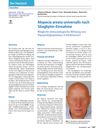
research Alopecia areata universalis nach Sitagliptin-Einnahme
A patient's hair loss may be linked to their diabetes medication, Sitagliptin.

research BI39 Oncological therapies and hair disorders: a narrative approach on permanent chemotherapy-induced alopecia. A literature review of cancer-related therapies and their associated hair and scalp disorders
Permanent hair loss from chemotherapy significantly impacts patients' mental health and social life, highlighting the need for better patient education and support.

research Comparative Analysis of Clinical Outcomes in Patients With Type 2 Diabetes Mellitus on Monotherapy Versus Combination Therapy
Combination therapy is better for long-term control and outcomes in type 2 diabetes.

research Guidelines for the management of vitiligo: the European Dermatology Forum consensus
Manage vitiligo with treatments, address emotions, and use camouflage techniques.

research Evidence-based (S3) guideline for the treatment of androgenetic alopecia in women and in men
Use minoxidil for hair loss; finasteride and dutasteride for men, dutasteride for women.
research Androgenetic alopecia: a review
Male pattern baldness involves genetics, hormones, and needs better treatments.
research Cost-effectiveness of palliative chemotherapy in advanced gastrointestinal cancer
Palliative chemotherapy is cost-effective for advanced gastric and colorectal cancer but not clearly for pancreatic-biliary cancer.

research Dermatological adverse events with taxane chemotherapy
Taxane chemotherapy can cause skin, hair, and nail side effects, which are often under-reported and can affect patient quality of life.

research Tregs: Where We Are and What Comes Next?
The conclusion is that Treg-targeted therapies have potential, but more knowledge of Treg biology is needed for effective treatments, including for cancer.
research Short-term combined treatment with liraglutide and metformin leads to significant weight loss in obese women with polycystic ovary syndrome and previous poor response to metformin
Combining liraglutide and metformin helps obese women with PCOS who didn't lose weight on metformin alone to lose more weight.
research What do we know about phytotherapy of benign prostatic hyperplasia?
Some plant-based treatments can help with benign prostatic hyperplasia symptoms, but more research is needed to confirm their safety and effectiveness.
research The Role of Micronutrients in Alopecia Areata: A Review
People with alopecia areata often have lower levels of vitamin D, zinc, and folate, but more research is needed to understand if supplements can help treat it.
research Review article: dermatological complications of immunosuppressive and anti-TNF therapy in inflammatory bowel disease
Immunosuppressive and anti-TNF therapies in IBD patients can increase the risk of skin cancer and cause various skin issues.

research Finasteride for female androgenetic alopecia
Finasteride increases hair density in female androgenetic alopecia, but individual results may vary.
research Dutasteride
Dutasteride effectively treats enlarged prostate, reduces prostate cancer risk, and promotes hair regrowth with few side effects.

research A Clinical and Biological Guide for Understanding Chemotherapy-Induced Alopecia and Its Prevention
Scalp cooling can help prevent chemotherapy-induced hair loss with a 50-90% success rate and is safe for patients.