263 citations
,
February 2020 in “International journal of molecular sciences” ADSCs help in wound healing and skin regeneration but need more research for full understanding.
44 citations
,
November 2022 in “Frontiers in Immunology” TLR-targeted therapies show promise in cancer treatment by helping destroy tumors.
39 citations
,
August 2017 in “Annual Review of Genetics” Understanding tissue regeneration in animals can improve regenerative medicine.
25 citations
,
November 2022 in “Frontiers in Bioengineering and Biotechnology” Composite biodegradable biomaterials can improve diabetic wound healing but need more development for clinical use.
 8 citations
,
May 2023 in “Gels”
8 citations
,
May 2023 in “Gels” Chitosan hydrogels are promising for repairing blood vessels but need improvements in strength and compatibility.
3 citations
,
June 2025 in “Biomedical Reports” Nanotechnology can improve cervical cancer treatment by targeting drugs better and reducing side effects.
 February 2026 in “Pharmaceuticals”
 KRDQN effectively predicts adverse drug reactions with high accuracy and clear explanations.
1 citations
,
July 2012 in “ACM transactions on graphics” The new algorithm accurately captures both facial hair and skin in 3D using a camera-based system.
 3 citations
,
January 2023 in “Journal of Korean Medical Science”
3 citations
,
January 2023 in “Journal of Korean Medical Science” Korean psoriasis patients still use alternative medicine despite effective biologics.
 73 citations
,
July 2016 in “Cosmetics”
73 citations
,
July 2016 in “Cosmetics” Mushrooms have beneficial properties for skin and hair care products and have great potential for future cosmetic use.
 18 citations
,
September 2016 in “International Journal of Molecular Sciences”
18 citations
,
September 2016 in “International Journal of Molecular Sciences” Polydeoxyribonucleotide (PDRN) may help lighten skin and treat hyperpigmentation.
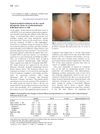 14 citations
,
July 2012 in “Journal of the American Academy of Dermatology”
14 citations
,
July 2012 in “Journal of the American Academy of Dermatology” Topical tacalcitol ointment can help improve symptoms of EFFC.
 5 citations
,
January 2018 in “Annals of Dermatology”
5 citations
,
January 2018 in “Annals of Dermatology” A 308 nm excimer laser successfully treated a boy with a rare skin condition after about a year of weekly sessions.
 4 citations
,
January 2017 in “Annals of Dermatology”
4 citations
,
January 2017 in “Annals of Dermatology” Tianeptine may help prevent hair loss by promoting hair growth and reducing cell death.
 3 citations
,
January 2011 in “Annals of Dermatology”
3 citations
,
January 2011 in “Annals of Dermatology” Blocking EGFR in skin cells doesn't majorly increase inflammation markers.
 1 citations
,
August 2023 in “Biomolecules & therapeutics”
1 citations
,
August 2023 in “Biomolecules & therapeutics” HAPLN1 can promote hair growth and may help treat hair loss.
 January 2024 in “Annals of Dermatology”
 Current treatments for Alopecia Areata don't fully meet patients' needs, indicating a need for better therapies.
 15 citations
,
February 2015 in “Han-gug chugsan sigpum hag-hoeji/Korean journal for food science of animal resources”
15 citations
,
February 2015 in “Han-gug chugsan sigpum hag-hoeji/Korean journal for food science of animal resources” Egg shell membrane hydrolysates can reduce wrinkles and improve skin health.
 1 citations
,
April 2026 in “Aesthetic Plastic Surgery”
1 citations
,
April 2026 in “Aesthetic Plastic Surgery” Radiofrequency microneedling is safe and effective for improving various skin conditions.
 1 citations
,
January 2016 in “Elsevier eBooks”
1 citations
,
January 2016 in “Elsevier eBooks” The document concludes that identifying the specific cells where skin cancers begin is important for creating better prevention, detection, and treatment methods.
 October 2019 in “Journal of Face Aesthetics”
 New technologies and teamwork across specialties are changing facial aesthetics, offering personalized, non-surgical options.
 18 citations
,
May 2013 in “Journal of Dermatological Treatment”
18 citations
,
May 2013 in “Journal of Dermatological Treatment” Non-ablative fractional laser treatments have a low risk of side effects in Asian patients.
 8 citations
,
November 2020 in “Optics and Laser Technology”
8 citations
,
November 2020 in “Optics and Laser Technology” LED light therapy is effective for skin and hair treatments but requires careful use to minimize risks.
 2 citations
,
March 2015 in “Toxicology and Environmental Health Sciences”
2 citations
,
March 2015 in “Toxicology and Environmental Health Sciences” Rice bran extract caused moderate skin irritation but no eye irritation, while a diluted essence was not irritating to skin and only slightly to guinea pigs.
 April 2016 in “Journal of Investigative Dermatology”
 Gypenosides from Gynostemma pentaphyllum were found to have anti-aging effects, increasing skin collagen and reducing wrinkles.
1 citations
,
January 2022 in “Annals of Dermatology” A new mutation in the MBTPS2 gene causes a mild form of IFAP syndrome.
48 citations
,
December 2022 in “Biomolecules” 3D bioprinting shows promise for creating advanced skin for healing wounds and reducing animal testing.
4 citations
,
December 2021 in “Electronics” The new method predicts post-hair transplant images more accurately than other methods.
 April 2024 in “Applied biological chemistry”
 Piperine from black pepper can make hair less oily by blocking fat cell development in hair roots.
21 citations
,
March 2018 in “American Journal Of Pathology” Mutations in NIPAL4 cause skin issues by disrupting lipid layers, but some improvement is seen with topical treatment.