 103 citations
,
October 2003 in “Birth Defects Research”
103 citations
,
October 2003 in “Birth Defects Research” Both genes and environmental factors like chemicals may contribute to the increase in hypospadias, but the exact causes are still unclear.
 99 citations
,
December 2010 in “Journal of The European Academy of Dermatology and Venereology”
99 citations
,
December 2010 in “Journal of The European Academy of Dermatology and Venereology” The document concludes that certain genetic mutations and dietary factors are involved in acne development, and treatments like isotretinoin and diet changes can help manage it.
 87 citations
,
July 2009 in “The journal of investigative dermatology/Journal of investigative dermatology”
87 citations
,
July 2009 in “The journal of investigative dermatology/Journal of investigative dermatology” Human beard hair medulla contains a unique and complex mix of keratins not found in other human tissues.
 78 citations
,
November 2008 in “Fertility and Sterility”
78 citations
,
November 2008 in “Fertility and Sterility” Amenorrhea is relatively rare and initial testing should check FSH, TSH, and prolactin levels.
 75 citations
,
May 1986 in “Clinics in endocrinology and metabolism”
75 citations
,
May 1986 in “Clinics in endocrinology and metabolism” Male hormones are important for hair and oil gland development and can cause conditions like excessive hair growth and acne.
 74 citations
,
May 2016 in “Current opinion in pediatrics, with evaluated MEDLINE/Current opinion in pediatrics”
74 citations
,
May 2016 in “Current opinion in pediatrics, with evaluated MEDLINE/Current opinion in pediatrics” Both vitiligo and alopecia areata involve an immune response triggered by stress and specific genes, with treatments targeting this pathway showing potential.
 68 citations
,
May 2011 in “European Journal of Dermatology”
68 citations
,
May 2011 in “European Journal of Dermatology” Acne is caused by genetics, diet, hormones, and bacteria, with treatments not yet curative.
 59 citations
,
June 2022 in “Frontiers in medicine”
59 citations
,
June 2022 in “Frontiers in medicine” There are still challenges in diagnosing and treating chronic skin diseases, but there is hope for future improvements.
 59 citations
,
June 2008 in “Journal of The American Academy of Dermatology”
59 citations
,
June 2008 in “Journal of The American Academy of Dermatology” The article explains the genetic causes and symptoms of various hair disorders and highlights the need for more research to find treatments.
 58 citations
,
September 2012 in “Dermatologic Clinics”
58 citations
,
September 2012 in “Dermatologic Clinics” Male pattern hair loss caused by follicular miniaturization; early diagnosis and treatment can reduce psychological burden.
 56 citations
,
April 2015 in “American journal of medical genetics. Part A”
56 citations
,
April 2015 in “American journal of medical genetics. Part A” Patients with Bohring-Opitz syndrome and ASXL1 mutations need regular kidney ultrasounds to check for tumors.
 55 citations
,
March 2012 in “Journal of Investigative Dermatology”
55 citations
,
March 2012 in “Journal of Investigative Dermatology” Research on epidermal stem cells has advanced significantly, showing promise for improved clinical therapies.
 54 citations
,
November 2001 in “Urology”
54 citations
,
November 2001 in “Urology” The length of the CAG repeat in the androgen receptor gene affects the risk and progression of prostate cancer, BPH, infertility, and undermasculinized genitalia.
 49 citations
,
August 2004 in “The FASEB Journal”
49 citations
,
August 2004 in “The FASEB Journal” Mice with human skin protein K8 had more skin problems and cancer.
 48 citations
,
June 2014 in “Neurobiology of Disease”
48 citations
,
June 2014 in “Neurobiology of Disease” The study suggests that motor neurons created from stem cells of patients with spinal and bulbar muscular atrophy show signs of the disease, including changes in protein levels and cell functions.
 48 citations
,
April 2010 in “Journal of the European Academy of Dermatology and Venereology”
48 citations
,
April 2010 in “Journal of the European Academy of Dermatology and Venereology” Men are more likely to get infectious skin diseases, while women are more prone to autoimmune and pigment-related skin conditions, influenced by biological and environmental factors.
 45 citations
,
February 2001 in “Joint bone spine”
45 citations
,
February 2001 in “Joint bone spine” Gonadal dysgenesis, like Turner's and Klinefelter's syndromes, negatively affects bone health, but hormone treatments can help.
 39 citations
,
May 2011 in “Human Immunology”
39 citations
,
May 2011 in “Human Immunology” Genetics play a role in acne, but how exactly they contribute is not fully understood.
 38 citations
,
October 2006 in “Fertility and Sterility”
38 citations
,
October 2006 in “Fertility and Sterility” The document concludes that identifying the cause of amenorrhea is crucial for proper treatment.
 36 citations
,
March 2019 in “European Journal of Human Genetics”
36 citations
,
March 2019 in “European Journal of Human Genetics” The research found genetic differences in identical twins that could explain why one twin has a disease while the other does not.
 36 citations
,
January 2019 in “Nature communications”
36 citations
,
January 2019 in “Nature communications” High lactate dehydrogenase activity is not necessary for the growth of squamous cell carcinoma.
 36 citations
,
March 2011 in “Nature Communications”
36 citations
,
March 2011 in “Nature Communications” Cells from a skin condition can create new hair follicles and similar growths in mice, and a specific treatment can reduce these effects.
 33 citations
,
June 2017 in “Developmental Biology”
33 citations
,
June 2017 in “Developmental Biology” Mice can correct hair follicle orientation without certain genes, but proper overall alignment needs those genes.
 30 citations
,
July 2004 in “Fertility and Sterility”
30 citations
,
July 2004 in “Fertility and Sterility” Amenorrhea is when a woman doesn't have periods, with primary amenorrhea starting by age 15 or within five years of breast development, and secondary amenorrhea when periods stop for three months. It affects 3-4% of women not pregnant, breastfeeding, or in menopause, mainly due to polycystic ovary syndrome, hypothalamic amenorrhea, hyperprolactinemia, and ovarian failure.
 29 citations
,
March 2019 in “British Journal of Dermatology”
29 citations
,
March 2019 in “British Journal of Dermatology” Acne is significantly influenced by genetics, and understanding its genetic basis could lead to better, targeted treatments.
 26 citations
,
October 2014 in “Andrologia”
26 citations
,
October 2014 in “Andrologia” Infertile men are more likely to produce sperm with abnormal chromosome numbers, which can affect pregnancy success and embryo health.
 25 citations
,
July 2019 in “Experimental Dermatology”
25 citations
,
July 2019 in “Experimental Dermatology” Cholesterol balance is important for hair health, and problems with it can lead to hair loss conditions.
 23 citations
,
May 2020 in “Cell Death and Disease”
23 citations
,
May 2020 in “Cell Death and Disease” Blocking the FGF5 gene in sheep leads to more fine wool and active hair follicles due to changes in certain cell signaling pathways.
 23 citations
,
January 2015 in “Journal of The American Academy of Dermatology”
23 citations
,
January 2015 in “Journal of The American Academy of Dermatology” People with myotonic dystrophy type 1 have a higher chance of getting skin tumors, including melanoma.
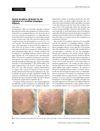 22 citations
,
September 2004 in “Journal of The European Academy of Dermatology and Venereology”
22 citations
,
September 2004 in “Journal of The European Academy of Dermatology and Venereology” Bimatoprost can cause longer, thicker, darker eyelashes and eyebrows.