46 citations
,
August 2012 in “Experimental Dermatology” Engineered skin can grow chimeric hair follicles only with mouse dermal papilla cells.
109 citations
,
April 1997 in “Archives of Dermatological Research” Mast cell and nerve fiber interactions in mouse skin change with the hair cycle.
79 citations
,
August 1998 in “The Journal of Cell Biology” Keratin 16 delays skin maturation and affects skin and hair development in mice.
23 citations
,
March 2017 in “PTR. Phytotherapy research/Phytotherapy research” Butin is effective in treating vitiligo in mice.
 10 citations
,
August 2023 in “Developmental cell”
10 citations
,
August 2023 in “Developmental cell” The research maps the complex development of early mouse skin, identifying diverse cell types and their roles in forming skin layers and structures.
 November 2022 in “The journal of investigative dermatology/Journal of investigative dermatology”
 Deleting the CD271 gene in mouse skin cells leads to disorganized skin and increased hair growth, suggesting CD271 is important for skin health.
December 2019 in “한국동물매개심리치료학회지” Nut extracts promote hair growth in mice.
December 2013 in “대한피부미용학회지” Wheat sprout extract (fr. 5) promotes hair growth similar to minoxidil.
118 citations
,
June 1993 in “Journal of Biological Chemistry” Human and mouse TGase3 enzymes are similar but differ near the activation site, crucial for their function in skin and hair development.
 2 citations
,
August 2023 in “Development”
2 citations
,
August 2023 in “Development” Hair follicles in the back of the rosette fancy mouse have reversed orientations due to a gene mutation.
 49 citations
,
September 2007 in “Journal of Investigative Dermatology”
49 citations
,
September 2007 in “Journal of Investigative Dermatology” The study found that bioengineered hair follicles work when using cells from the same species but have issues when combining human and mouse cells.
1 citations
,
May 2015 in “Experimental Dermatology” Overactive Stat3 in mouse skin causes hair loss and cell structure damage.
August 2022 in “Biomedicines” Turning off the Lhx2 gene in mouse embryos leads to slower wound healing and scars.
10 citations
,
December 1991 in “Annals of the New York Academy of Sciences” Minoxidil boosts hair growth in genetically modified mice.
 5 citations
,
June 2019 in “British Journal of Dermatology”
5 citations
,
June 2019 in “British Journal of Dermatology” Tofacitinib was more effective than apremilast in treating hair loss in a mouse model of alopecia areata.
1 citations
,
January 2015 ERK activation spreads between cells, influencing cell division and wound healing.
ERK activation spreads between cells in mouse skin, linked to cell division and influenced by TPA and EGF receptors.
4 citations
,
June 2015 in “Connective tissue research” The research found changes in gene expression related to cell death in mouse skin that help understand hair follicle development and skin health.
January 2016 in “DOAJ (DOAJ: Directory of Open Access Journals)” Collagen XVII is important for cell functions and its absence can worsen cancer outcomes.
 37 citations
,
February 2019 in “Experimental Dermatology”
37 citations
,
February 2019 in “Experimental Dermatology” Spiny mice are better at regenerating hair after injury than laboratory mice and could help us understand how to improve human skin repair.
July 2025 in “Journal of Investigative Dermatology” Researchers created long-lasting, diverse skin organoids from mouse hair follicle stem cells, useful for studying skin.
31 citations
,
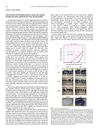
November 2015 in “PloS one” Reducing Tyrosinase prevents mature color pigment cells from forming in mouse hair.
 23 citations
,
September 2011 in “Journal of Dermatological Science”
23 citations
,
September 2011 in “Journal of Dermatological Science” Red LED light helps mouse hair grow by increasing growth factors from skin cells.
 February 2026 in “International Journal of Nanomedicine”
 Engineered exosomes with EGF and FGF improved hair growth in mice with hair loss.
58 citations
,
December 2000 in “Experimental Dermatology” Involucrin is a useful marker for keratinocyte differentiation in mice.
 37 citations
,
March 2006 in “Regulatory Peptides”
37 citations
,
March 2006 in “Regulatory Peptides” Mice skin has components that could help with hair growth and might be used for diabetes treatment.
33 citations
,
June 2007 in “Gene Expression Patterns” CTIP2 may help in skin development and maintenance.
18 citations
,
June 2001 in “Journal of Investigative Dermatology” Adding a specific gene to skin cells can help treat skin disorders like psoriasis.
 February 2026 in “SHILAP Revista de lepidopterología”
 Engineered exosomes with EGF and FGF improve hair growth in mice with hair loss.
November 2025 in “The Journal of Immunology” The S1PR 1&4 modulator may effectively treat alopecia areata by reducing hair loss and immune cell activity.