380 citations
,
March 2000 in “Proceedings of the National Academy of Sciences” Overexpressing GLI-1 in mice skin can cause tumors like human basal cell carcinomas.
333 citations
,
March 2000 in “Proceedings of the National Academy of Sciences” Overexpressing GLI-1 in mice skin can cause tumors like human basal cell carcinomas.
221 citations
,
July 2012 in “Proceedings of the National Academy of Sciences of the United States of America” BMAL1 controls skin cell growth and UV damage risk, peaking at night.
201 citations
,
May 2001 in “Proceedings of the National Academy of Sciences” Overexpression of COX-2 in mice skin causes abnormal skin and hair development.
136 citations
,
July 2014 in “Proceedings of the National Academy of Sciences of the United States of America” FGF5 gene mutations cause unusually long eyelashes by affecting hair growth regulation.
115 citations
,
November 2008 in “Proceedings of the National Academy of Sciences” Reptiles have genes similar to hair proteins, suggesting hair's genetic origins predate mammals.
70 citations
,
December 2004 in “Proceedings of the National Academy of Sciences” BMP signaling affects hair color by interacting with the MC-1R pathway.
59 citations
,
October 2017 in “Proceedings of the National Academy of Sciences” ZIP10 is crucial for skin development and maintaining healthy skin.
25 citations
,
November 2020 in “Proceedings of the National Academy of Sciences” HoxC genes are crucial for normal hair and nail development.
16 citations
,
April 2024 in “Proceedings of the National Academy of Sciences” HDAC4 and HDAC7 are crucial for Th17 cell development and could be targeted to treat inflammatory diseases.
June 2025 in “Proceedings of the National Academy of Sciences” A PIK3CA mutation in Schwann cells causes severe nerve damage and increased glycolysis, but early treatment can help.
67 citations
,
August 2005 in “Journal of Investigative Dermatology Symposium Proceedings” Androgens promote beard growth but cause hair loss in androgenetic alopecia, with TGF-β1 as a potential treatment target.
71 citations
,
November 2005 in “The journal of investigative dermatology. Symposium proceedings/The Journal of investigative dermatology symposium proceedings” Edar signaling is crucial for proper hair follicle development and function.
25 citations
,
December 2017 in “The journal of investigative dermatology. Symposium proceedings/The Journal of investigative dermatology symposium proceedings” Targeted cytokine treatments may help with alopecia areata, but more research is needed.
 October 2018 in “Exercise Biochemistry Review”
 Aerobic exercise helps protect the intestines by improving their barrier function.
 8 citations
,
January 1996 in “Springer eBooks”
8 citations
,
January 1996 in “Springer eBooks” Male pattern baldness may be caused by factors like poor blood circulation, scalp tension, stress, and hormonal imbalances, but the exact causes are still unclear.
 54 citations
,
April 2010 in “Baillière's best practice and research in clinical endocrinology and metabolism/Baillière's best practice & research. Clinical endocrinology & metabolism”
54 citations
,
April 2010 in “Baillière's best practice and research in clinical endocrinology and metabolism/Baillière's best practice & research. Clinical endocrinology & metabolism” Impaired androgen production in 46,XY DSDs causes ambiguous genitalia and requires long-term care.
 January 2019 in “Springer eBooks”
 Acne is linked to inflammation and insulin resistance, and is associated with various syndromes that require different treatments.
 4 citations
,
May 2021 in “The journal of investigative dermatology/Journal of investigative dermatology”
4 citations
,
May 2021 in “The journal of investigative dermatology/Journal of investigative dermatology” ELL is crucial for gene transcription related to skin cell growth.
 205 citations
,
March 2012 in “Science Translational Medicine”
205 citations
,
March 2012 in “Science Translational Medicine” PGD2 stops hair growth and is higher in bald men with AGA.
 123 citations
,
November 2012 in “Stem cells”
123 citations
,
November 2012 in “Stem cells” MicroRNA-302 helps improve the conversion of body cells into stem cells by blocking NR2F2.
 123 citations
,
May 2009 in “Journal of Neuroscience”
123 citations
,
May 2009 in “Journal of Neuroscience” In late pregnancy, allopregnanolone reduces stress responses in rats by affecting brain chemicals.
 86 citations
,
August 2011 in “Toxicological sciences”
86 citations
,
August 2011 in “Toxicological sciences” TCDD speeds up skin barrier formation by increasing certain gene expressions.
 47 citations
,
November 2012 in “Expert Opinion on Therapeutic Patents”
47 citations
,
November 2012 in “Expert Opinion on Therapeutic Patents” The document concludes that research on sulfatase inhibitors should continue due to their potential in treating various diseases, despite some clinical trial failures.
 37 citations
,
March 2006 in “Regulatory Peptides”
37 citations
,
March 2006 in “Regulatory Peptides” Mice skin has components that could help with hair growth and might be used for diabetes treatment.
 36 citations
,
July 2019 in “Journal of Materials Science Materials in Medicine”
36 citations
,
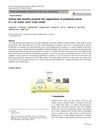
July 2019 in “Journal of Materials Science Materials in Medicine” Human hair keratin helps repair nerve damage in rats.
 11 citations
,
April 2017 in “Journal of The European Academy of Dermatology and Venereology”
11 citations
,
April 2017 in “Journal of The European Academy of Dermatology and Venereology” Found different long non-coding RNAs in balding Chinese men, which may help create new treatments.
 November 2025 in “Frontiers in Immunology”
 SQSTM1 gene issues may increase the risk of alopecia areata.
 February 2024 in “Biomedical materials”
 Scientists created a lab-grown hair follicle model that behaves like real hair and could improve hair loss treatment research.
 January 2024 in “Regenerative Biomaterials”
 Dissolvable microneedles with Ginsenoside Rg3 can help treat hair loss by improving drug delivery and stimulating hair growth.