6 citations
,
June 1986 in “The Journal of Dermatology” Reticular erythematous mucinosis syndrome can occur with minimal mucin deposition.
 November 2024 in “Research for Rural Development/Research for Rural Development (Online)”
 Rosemary essential oil is rich in terpenes and can be effectively extracted and analyzed using environmentally friendly methods, benefiting local economies.
4 citations
,
November 2017 in “PubMed” Miracle fruit seed oil significantly reduces hair breakage in women with damaged hair.
A new mutation in the TRPS1 gene caused Trichorhinophalangeal syndrome in a 17-year-old, highlighting the need for genetic testing.
 April 2018 in “Journal of Investigative Dermatology”
 Resveratrol activates the Nrf2 pathway in human skin, significantly increasing the production and distribution of the antioxidant glutathione.
 67 citations
,
August 2007 in “American Journal of Pathology”
67 citations
,
August 2007 in “American Journal of Pathology” Overexpressing the mineralocorticoid receptor in mouse skin causes skin thinning, early skin barrier development, eye issues, and hair loss.
 8 citations
,
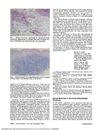
November 1990 in “Archives of Dermatology”
8 citations
,
November 1990 in “Archives of Dermatology” A woman with EMS showed unusual skin mucinosis without the typical hard skin syndrome, suggesting EMS can cause skin mucinosis.
July 2025 in “Clinical Case Reports” A new genetic mutation in the TRPS1 gene causes Trichorhinophalangeal Syndrome, leading to specific hair, dental, and bone issues.
13 citations
,
November 2017 in “Neurotoxicity research/Neurotoxicity resarch” Sodium metabisulfite increases sodium channel activity, leading to higher cell excitability and potential damage.
 36 citations
,
March 2002 in “Journal of Biological Chemistry”
36 citations
,
March 2002 in “Journal of Biological Chemistry” Food deprivation increases MST enzyme in the brain, possibly affecting energy balance.
 6 citations
,
July 2009 in “Biomolecules & therapeutics”
6 citations
,
July 2009 in “Biomolecules & therapeutics” Combining MSM with MAP significantly promotes hair growth.
28 citations
,
February 2010 in “Experimental Dermatology” The frizzy mouse and hairless rat mutations are due to changes in the Prss8 gene.
 29 citations
,
January 2010 in “Methods in Enzymology”
29 citations
,
January 2010 in “Methods in Enzymology” The document concludes that careful design of genetic fate mapping experiments is crucial for accurate cell lineage tracing in mice.
9 citations
,
March 1993 in “Biochemical Pharmacology” Rat skin can convert minoxidil into its active form, aiding hair growth.
 60 citations
,
August 2008 in “Human molecular genetics online/Human molecular genetics”
60 citations
,
August 2008 in “Human molecular genetics online/Human molecular genetics” A position effect on the TRPS1 gene causes excessive hair growth in humans and mice.
 1 citations
,
December 2018 in “Journal of genetic medicine”
1 citations
,
December 2018 in “Journal of genetic medicine” A small change in the TRPS1 gene leads to a less severe form of a syndrome affecting hair, nose, and finger development.
 April 2026 in “Human Genome Variation”
 The MBTPS2 gene variant c.970+5G>A is a common mutation causing IFAP syndrome.
 29 citations
,
September 1990 in “Biochemical Journal”
29 citations
,
September 1990 in “Biochemical Journal” Enzyme purified and characterized for minoxidil sulphation in rat liver.
2 citations
,
September 2016 in “Journal of Dermatological Science” Reduced TRPS1 leads to increased STAT3 and SOX9 in hair follicles, affecting hair growth.
15 citations
,
May 1987 in “Fundamental and applied toxicology” SMR-2 and SMR-6 are much more toxic than retinoic acid, causing severe side effects.
January 1987 in “Toxicological sciences” SMR-2 and SMR-6 are much more toxic than retinoic acid, causing severe symptoms and organ damage in mice.
 76 citations
,
April 2013 in “PLoS ONE”
76 citations
,
April 2013 in “PLoS ONE” Chronic stress can cause hair loss by increasing oxidative stress, but antioxidants may help.
 1 citations
,
June 2023 in “ScienceRise Pharmaceutical Science”
1 citations
,
June 2023 in “ScienceRise Pharmaceutical Science” A semi-automated system can effectively help choose emulsion ingredients, simplifying the creation of medicinal and cosmetic products.
91 citations
,
July 2004 in “Journal of Biological Chemistry” Overexpressing SSAT enzyme reduces prostate tumor growth in mice.
 April 2024 in “The Journal of urology/The journal of urology”
 SRD5A2 methylation in blood can predict how well someone will respond to finasteride treatment.
 28 citations
,
November 2013 in “The FASEB journal”
28 citations
,
November 2013 in “The FASEB journal” Mice with CBS deficiency are healthier on a low-methionine diet.
April 2023 in “Journal of Investigative Dermatology” Targeting mTOR in myeloid cells may help reduce psoriasis symptoms.
10 citations
,
January 1995 in “Dermatology” Dermatologists should consider congenital syndromes like TRPS in young adults with early hair loss.
 2 citations
,
June 2024 in “Frontiers in Plant Science”
2 citations
,
June 2024 in “Frontiers in Plant Science” LLPS is crucial for RALF signaling, aiding plant growth and stress resilience.
 February 2023 in “Benha Journal of Applied Sciences”
 R-Spondin-1 is important for skin health and could help diagnose and treat various skin conditions.