18 citations
,
July 2012 in “Cell Biology International Reports” Human mesenchymal stem cells can become dermal papilla cells, aiding hair growth.
 3 citations
,
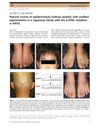
January 2019 in “Journal of Dermatology”
3 citations
,
January 2019 in “Journal of Dermatology” The p.P25L mutation in the KRT5 gene causes a rare skin condition that worsens over time and may lead to hair loss starting in young adulthood.
9 citations
,
May 2023 in “Stem Cell Research & Therapy” Stem cell treatment from umbilical cords reduces symptoms of atopic dermatitis and may help hair growth.
 February 2024 in “Advanced Materials”
 OG6, a sugar-based material, can stimulate hair growth.
Mycophenolate mofetil is a good alternative for autoimmune hepatitis patients who can't tolerate azathioprine.
 April 2024 in “Research Square (Research Square)”
 MSC-protein helps regenerate gum tissue and bone.
 April 2023 in “Journal of Investigative Dermatology”
 SOX2 helps reduce wound size and pressure ulcer formation by suppressing oxidative stress and increasing antioxidant activity in mice.
1 citations
,
April 2023 in “International journal of molecular sciences” Certain skin proteins can form anchoring structures without the protein AMACO.
December 2017 in “Canadian journal of ophthalmology” A rare skin condition was misdiagnosed as a harmless mole on a woman's eyelid.
12 citations
,
May 2006 in “Journal of Neurology Neurosurgery & Psychiatry” Neuromyotonia and morphoea can occur together in the same body areas.
 January 2025 in “Journal of Drugs in Dermatology”
 Oral minoxidil is easier to use and more satisfying for hair loss treatment than topical minoxidil.
 April 2007 in “한방재활의학과학회지”
 Saengbal-eum promotes hair growth similarly to Minoxidil and could be used for alopecia treatment.
 March 2024 in “International Journal of Pharmaceutics”
 Ginsenoside Rg3 combined with minoxidil was more effective in treating hair loss in mice.
 24 citations
,
May 2013 in “Drug Design Development and Therapy”
24 citations
,
May 2013 in “Drug Design Development and Therapy” Multimodal minoxidil microemulsion is more effective in treating hair loss than minoxidil alone.
June 2021 in “SWU eJournals System (Srinakharinwirot University)” Mixed coconut oil/solvent is suitable for cyproterone acetate injections, but more safety checks are needed.
January 2026 in “SSRN Electronic Journal” June 2025 in “Bioactive Materials”  208 citations
,
January 2013 in “Lab on a Chip”
208 citations
,
January 2013 in “Lab on a Chip” The Multi-Organ-Chip improves the growth and quality of skin and hair in the lab, potentially replacing animal testing.
 September 2016 in “Hair transplant forum international”
 Methylene blue is less effective than normal saline solution for storing hair grafts and may reduce graft survival.
 April 2018 in “Journal of Investigative Dermatology”
 The research found that blocking a gene called NEMO can potentially prevent harmful effects of aging at the cellular level.
January 2012 in “Journal of Cosmetics Dermatological Sciences and Applications” Iontophoresis greatly improves skin absorption of certain substances, especially in hairy mice.
 June 2025 in “Samarra Journal of Pure and Applied Science”
 A new method accurately measures minoxidil in tablets.
5 citations
,
January 2016 in “European Journal of Dermatology” Suplatast tosilate successfully treated a woman's systemic sclerosis symptoms.
 24 citations
,
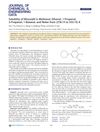
April 2011 in “Journal of Chemical & Engineering Data”
24 citations
,
April 2011 in “Journal of Chemical & Engineering Data” Minoxidil dissolves best in methanol and least in water.
 April 2026 in “Zenodo (CERN European Organization for Nuclear Research)”
 The model improves understanding of androgen interactions by focusing on signal intensity and system capacity.
26 citations
,
June 2003 in “PubMed” Alpha-difluoromethylornithine prevents cancer in mice but causes hair loss.
 1 citations
,
January 2003 in “Expert Opinion on Therapeutic Patents”
1 citations
,
January 2003 in “Expert Opinion on Therapeutic Patents” Steroid sulfatase inhibitors could potentially treat hormone-related disorders like certain cancers, hair loss, acne, and improve cognitive dysfunction.
 18 citations
,
January 2001 in “Annual Reports in Medicinal Chemistry”
18 citations
,
January 2001 in “Annual Reports in Medicinal Chemistry” Selective Androgen Receptor Modulators (SARMs) are drugs that can control the effects of androgens in different tissues, potentially having fewer side effects and promising for treating various conditions.
6 citations
,
August 2024 in “Biomacromolecules” The model helps test drugs for clubfoot fibrosis by mimicking cell environments and shows minoxidil reduces harmful collagen links.