 April 2017 in “Journal of Investigative Dermatology”
 Deep phenotyping helps distinguish between xeroderma pigmentosum and trichothiodystrophy, aiding in diagnosis and treatment.
13 citations
,
June 2012 in “European journal of medical genetics” Identical twins had different symptoms because one had more cells with an extra chromosome fragment in different tissues.
175 citations
,
August 1997 in “Nature Genetics” January 2025 in “Repository of Digital Objects for Teaching Research and Culture (University of Valencia)” Non-coding RNAs may be key in diagnosing and treating rare skin disorders.
 7 citations
,
January 2018 in “Neurodegenerative Diseases”
7 citations
,
January 2018 in “Neurodegenerative Diseases” Researchers found a new ABCD1 gene mutation linked to a rare brain and nerve disorder with unusual brain changes.
1 citations
,
January 2017 in “International Journal of Trichology” A new mutation caused a rare hair disorder in a Polish girl, not inherited from her family.
79 citations
,
March 2005 in “Journal of Medical Genetics” A mutation in the hHb3 gene is linked to the hair disorder monilethrix.
 1 citations
,
December 2018 in “Journal of genetic medicine”
1 citations
,
December 2018 in “Journal of genetic medicine” A small change in the TRPS1 gene leads to a less severe form of a syndrome affecting hair, nose, and finger development.
 30 citations
,
June 2016 in “Journal of Human Genetics”
30 citations
,
June 2016 in “Journal of Human Genetics” Researchers found genetic mutations causing hypohidrotic ectodermal dysplasia in 88% of studied patients and identified new mutations and genetic variations affecting the disease.
 97 citations
,
March 2002 in “Molecular and cellular biology”
97 citations
,
March 2002 in “Molecular and cellular biology” Mutant CDP/Cux protein causes hair defects and reduced male fertility in mice.
35 citations
,
April 2008 in “Journal of Biological Chemistry” Hirosaki hairless rats lack hair due to missing DNA with key keratin genes.
 42 citations
,
October 2009 in “The journal of investigative dermatology/Journal of investigative dermatology”
42 citations
,
October 2009 in “The journal of investigative dermatology/Journal of investigative dermatology” Mutations in the KRT85 gene cause hair and nail problems.
4 citations
,
August 2013 in “Chinese Medical Journal” A specific gene mutation in KRT86 is linked to hair disorder in a Chinese Han family.
25 citations
,
March 2007 in “The journal of investigative dermatology/Journal of investigative dermatology” A specific gene mutation causes varying hair loss severity in a Pakistani family.
47 citations
,
July 1998 in “Journal of Investigative Dermatology” A new mutation, Glu402Lys, in hair keratin is linked to variable symptoms of monilethrix.

A genetic mutation in the EDA gene causes hypohidrotic ectodermal dysplasia in cats.
8 citations
,
June 2020 in “The journal of investigative dermatology/Journal of investigative dermatology” A boy's skin fragility and sparse hair were caused by a genetic mutation affecting skin cell adhesion.
38 citations
,
September 1997 in “The journal of investigative dermatology/Journal of investigative dermatology” A mutation in mice causes hair loss and skin issues due to a defect in a gene affecting cell adhesion.
 74 citations
,
January 2006 in “The journal of investigative dermatology/Journal of investigative dermatology”
74 citations
,
January 2006 in “The journal of investigative dermatology/Journal of investigative dermatology” Mutations in the DSG4 gene can cause a rare hair disorder similar to monilethrix.
13 citations
,
February 2012 in “International Journal of Dermatology” A new genetic mutation in the CDH3 gene causes hair loss and eye problems in young people.
A rare genetic mutation causes severe immune issues, hair loss, and nail problems.
10 citations
,
January 2003 in “Dermatology” The E413K mutation in the hHb6 gene causes monilethrix, a hair disorder, but doesn't show consistent symptoms.
April 2017 in “The journal of investigative dermatology/Journal of investigative dermatology” A girl with excessive hair growth had a genetic change on chromosome 17 that reduced the activity of two genes linked to hair growth.
3 citations
,
June 2017 in “Reproductive biomedicine online” A certain mutation in the fetal alpha 5-reductase gene is linked to a higher risk of late miscarriage.
 5 citations
,
September 2015 in “BMC Medical Genetics”
5 citations
,
September 2015 in “BMC Medical Genetics” The EDAR gene mutation leads to thinner and more deformed hair shafts.
September 1997 in “Clinical and Experimental Dermatology”  November 2022 in “Journal of Investigative Dermatology”
 Scientists developed a new way to study mutations in a skin condition using blood cells, which may help diagnose and treat the disease.
 January 2012 in “Journal of Investigative Dermatology”
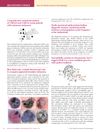
 Some Greek melanoma patients have gene mutations linked to increased cancer risk, a new color feature helps diagnose melanoma, the incidence of a skin condition in the Netherlands is rare, and a gene possibly affects male-pattern baldness.
 1 citations
,
September 2012 in “Journal of Investigative Dermatology”
1 citations
,
September 2012 in “Journal of Investigative Dermatology” Aging reduces stem cell activation, leading to hair loss in mice lacking a specific enzyme.
 November 2024 in “Communities in ADDI (University of the Basque Country)”
 Antisense oligonucleotides show promise for treating Myotonic Dystrophy type I.