 27 citations
,
August 2010 in “Clinics in Dermatology”
27 citations
,
August 2010 in “Clinics in Dermatology” Hepatitis C virus can cause skin diseases and dermatologists play a crucial role in identifying these conditions.
 15 citations
,
September 2018 in “Medicine”
15 citations
,
September 2018 in “Medicine” Childhood ptosis can vary from a minor cosmetic issue to a serious condition and may signal other health problems.
 3 citations
,
August 2022 in “Curēus”
3 citations
,
August 2022 in “Curēus” The SARS-CoV-2 vaccine may be linked to triggering autoimmune conditions like Alopecia Areata.
 2 citations
,
February 2018 in “InTech eBooks”
2 citations
,
February 2018 in “InTech eBooks” TNF-alpha inhibitors can cause various immune-related skin issues.
 2 citations
,
April 2013 in “Expert Review of Endocrinology & Metabolism”
2 citations
,
April 2013 in “Expert Review of Endocrinology & Metabolism” Identifying nonclassic congenital adrenal hyperplasia and carriers of CYP21 mutations is challenging, and genetic counseling is recommended due to their prevalence.
 1 citations
,
March 2010 in “Internal medicine journal”
1 citations
,
March 2010 in “Internal medicine journal” A 72-year-old man with sudden taste issues and hair growth was diagnosed with a severe stomach cancer and died within 5 months.
 March 2024 in “Intisari Sains Medis”
 Low free thyroxine (FT4) is common in young lupus patients and needs quick diagnosis and treatment.
 January 2019 in “Elsevier eBooks”
 Different hair disorders have specific treatments and outcomes, with some resolving on their own and others requiring medication or emotional support.
 April 2016 in “Journal of The American Academy of Dermatology”
 Both atopy and eosinophilia are linked to more severe hair loss in people with alopecia areata.
 April 2016 in “Journal of The American Academy of Dermatology”
 People with certain allergic conditions or higher white blood cell counts have more severe hair loss, and treating hair and nail side effects early in melanoma therapy can improve quality of life.
 1 citations
,
March 2020 in “Current Science”
1 citations
,
March 2020 in “Current Science” Most people in the surveyed area experience hair loss, but they are not aware of the role of diet, iron, hormones, genetics, and possibly water quality in causing it.
 14 citations
,
November 2009 in “Clinical and experimental dermatology”
14 citations
,
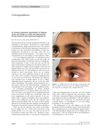
November 2009 in “Clinical and experimental dermatology” Topical prostaglandin E2 can help treat both alopecia areata and vitiligo.
 24 citations
,
June 2018 in “Reviews in endocrine and metabolic disorders”
24 citations
,
June 2018 in “Reviews in endocrine and metabolic disorders” Thyroid diseases may contribute to autoimmune skin diseases, and more research is needed on their relationship.
 11 citations
,
January 2013 in “Indian Journal of Endocrinology and Metabolism”
11 citations
,
January 2013 in “Indian Journal of Endocrinology and Metabolism” Skin problems are common in people with diabetes and controlling blood sugar can reduce these issues.
 7 citations
,
June 2015 in “Cutaneous and Ocular Toxicology”
7 citations
,
June 2015 in “Cutaneous and Ocular Toxicology” Some drugs can cause skin reactions, which may improve when the drug is stopped, and rapid diagnosis and stopping the drug is crucial.
 3 citations
,
July 2017 in “Elsevier eBooks”
3 citations
,
July 2017 in “Elsevier eBooks” Skin reactions are a common reason for emergency visits due to drug allergies, with some severe cases needing intensive care.
 September 2023 in “Medical and Clinical Case Reports”
 People with Alopecia Areata often have thyroid problems like Hashimoto thyroiditis and hypothyroidism.
 December 2013 in “The journal of investigative dermatology. Symposium proceedings/The Journal of investigative dermatology symposium proceedings”
 New research is helping develop better treatments for alopecia areata.
 391 citations
,
January 2010 in “Journal of The American Academy of Dermatology”
391 citations
,
January 2010 in “Journal of The American Academy of Dermatology” Half of people with Alopecia Areata may see hair regrowth within a year without treatment, but recovery is unpredictable.
 108 citations
,
December 2003 in “Clinical breast cancer”
108 citations
,
December 2003 in “Clinical breast cancer” PLD is an effective and safer alternative for treating breast cancer.
 99 citations
,
July 2017 in “Clinical Reviews in Allergy & Immunology”
99 citations
,
July 2017 in “Clinical Reviews in Allergy & Immunology” New treatments for Alopecia Areata show promise but need to be more effective and affordable.
 24 citations
,
January 2008 in “KARGER eBooks”
24 citations
,
January 2008 in “KARGER eBooks” The document concludes that ongoing research using animal models is crucial for better understanding and treating Alopecia Areata.
 10 citations
,
December 2015 in “Clinics in Dermatology”
10 citations
,
December 2015 in “Clinics in Dermatology” Diabetes can lead to blindness and skin problems, and managing blood sugar and blood pressure is crucial to prevent these complications.
 4 citations
,
January 2014 in “Dermatology”
4 citations
,
January 2014 in “Dermatology” A woman with acne and baldness was found to have a rare ovarian condition but successfully had a child through fertility treatment.
 1 citations
,
December 2013 in “Journal of Evolution of Medical and Dental Sciences”
1 citations
,
December 2013 in “Journal of Evolution of Medical and Dental Sciences” Alopecia areata causes patchy hair loss due to unknown factors, affecting all ages and genders.
 September 2025 in “Cureus”
 GLP-1 agonists may help treat certain skin conditions.
 August 2018 in “Journal of The American Academy of Dermatology”
 Children with alopecia areata should only get thyroid screening if they have Down syndrome, a family history of thyroid disease, atopy, or signs of thyroid problems.
 January 2008 in “Springer eBooks”
 Thyroid disease can cause hair loss and treating thyroid problems might help with hair disorders.
 30 citations
,
July 2004 in “Fertility and Sterility”
30 citations
,
July 2004 in “Fertility and Sterility” Amenorrhea is when a woman doesn't have periods, with primary amenorrhea starting by age 15 or within five years of breast development, and secondary amenorrhea when periods stop for three months. It affects 3-4% of women not pregnant, breastfeeding, or in menopause, mainly due to polycystic ovary syndrome, hypothalamic amenorrhea, hyperprolactinemia, and ovarian failure.
 21 citations
,
September 2004 in “Fertility and Sterility”
21 citations
,
September 2004 in “Fertility and Sterility” Amenorrhea, or the absence of periods, should be evaluated by age 15 or within five years of early breast development, and is most commonly caused by conditions like polycystic ovary syndrome and hypothalamic amenorrhea.