 17 citations
,
February 2015 in “International Journal of Molecular Sciences”
17 citations
,
February 2015 in “International Journal of Molecular Sciences” A special mix from certain skin cells can help hair grow by making hair root cells grow faster and activating growth signals.

Chrysanthemum zawadskii extract may help treat hair loss by promoting hair growth and affecting growth factors.
 127 citations
,
December 2005 in “Experimental Dermatology”
127 citations
,
December 2005 in “Experimental Dermatology” Stress can stop hair growth in mice, and treatments can reverse this effect.
 30 citations
,
September 2003 in “Experimental Dermatology”
30 citations
,
September 2003 in “Experimental Dermatology” Minoxidil helps prevent stress-caused hair loss in mice.
 13 citations
,
December 1991 in “Annals of the New York Academy of Sciences”
13 citations
,
December 1991 in “Annals of the New York Academy of Sciences” Researchers created a lab model to study human hair growth, showing it can grow and self-regulate outside the body.
 3 citations
,
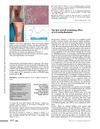
November 2011 in “European Journal of Dermatology”
3 citations
,
November 2011 in “European Journal of Dermatology” 4-O-methylhonokiol from Magnolia officinalis significantly promotes hair growth.
 January 2018 in “Clinical dermatology open access journal”
 The Biofield Energy Treated herbal mixture increased hair growth in mice compared to the untreated mixture.
 1 citations
,
January 2012 in “Journal of The Society of Japanese Women Scientists”
1 citations
,
January 2012 in “Journal of The Society of Japanese Women Scientists” Murine hair has specific types of ceramides and glucosylceramides but lacks acylceramides.
 2 citations
,
October 1999 in “Annals of the New York Academy of Sciences”
2 citations
,
October 1999 in “Annals of the New York Academy of Sciences” Melatonin and cortisol affect mink winter hair growth, but β-endorphin levels do not.
 1 citations
,
August 2023 in “Biomolecules & therapeutics”
1 citations
,
August 2023 in “Biomolecules & therapeutics” HAPLN1 can promote hair growth and may help treat hair loss.
 August 2024 in “Biomolecules & Therapeutics”
 A new compound, HTPI, promotes hair growth by protecting cells from damage and regulating energy use.
 17 citations
,
May 2011 in “Gene Therapy”
17 citations
,
May 2011 in “Gene Therapy” Using polyethylenimine-DNA to deliver the hTERT gene can stimulate hair growth and may be useful in treating hair loss, but there could be potential cancer risks.
 August 2020 in “Research Square (Research Square)”
 Neural progenitor cell-derived nanovesicles help hair growth by activating a key signaling pathway.
 397 citations
,
February 2004 in “British Journal of Dermatology”
397 citations
,
February 2004 in “British Journal of Dermatology” Minoxidil boosts hair growth by opening potassium channels and increasing cell activity.
 40 citations
,
October 2002 in “Endocrinology”
40 citations
,
October 2002 in “Endocrinology” Vitamin D3 analogs can promote hair growth in mice genetically prone to hair loss.
 31 citations
,
February 2014 in “Journal of dermatological science”
31 citations
,
February 2014 in “Journal of dermatological science” Placental growth factor may help treat hair loss.
 22 citations
,
July 2019 in “PLOS ONE”
22 citations
,
July 2019 in “PLOS ONE” Skin lymphatic vessels are essential for hair growth.
 14 citations
,
July 2021 in “Biomolecules”
14 citations
,
July 2021 in “Biomolecules” Centipeda minima extract helps hair grow by activating important growth signals and could be a promising hair loss treatment.
 9 citations
,
December 2013 in “Toxicological Research”
9 citations
,
December 2013 in “Toxicological Research” Chamaecyparis obtusa oil may help hair grow similarly to minoxidil by affecting certain growth markers and cell factors.
 9 citations
,
August 2013 in “Journal of Tissue Engineering and Regenerative Medicine”
9 citations
,
August 2013 in “Journal of Tissue Engineering and Regenerative Medicine” Transplanted baby mouse skin cells grew normal hair using a new, efficient method.
 3 citations
,
January 2016 in “Biotechnology and Bioprocess Engineering”
3 citations
,
January 2016 in “Biotechnology and Bioprocess Engineering” Laminaria japonica extract with IGF-1 improved mouse hair growth and could be a potential alopecia treatment.
 April 2018 in “Journal of Investigative Dermatology”
 Researchers found a substance in chicken egg yolk that helps hair grow.
 19 citations
,
May 2020 in “Cells”
19 citations
,
May 2020 in “Cells” Substance from human umbilical cord blood cells promotes hair growth.
 28 citations
,
October 2011 in “International Journal of Molecular Medicine”
28 citations
,
October 2011 in “International Journal of Molecular Medicine” Adenosine helps hair grow longer and stronger by boosting certain growth factors and signaling pathways.
 26 citations
,
October 2016 in “Biomolecules & Therapeutics”
26 citations
,
October 2016 in “Biomolecules & Therapeutics” 3-Deoxysappanchalcone helps human hair cells grow and stimulates hair growth in mice by affecting certain cell signaling pathways.
 6 citations
,
March 2022 in “PLoS ONE”
6 citations
,
March 2022 in “PLoS ONE” Centipedegrass extract may promote hair growth by activating certain cell pathways.
 April 2018 in “Journal of Investigative Dermatology”
 The research found that a specific skin cell type not only triggers hair growth but also controls hair color, and that aging can lead to hair loss and color changes.
 7 citations
,
March 2007 in “International Journal of Dermatology”
7 citations
,
March 2007 in “International Journal of Dermatology” Targeting FGFR-1 with antisense oligonucleotides may help treat baldness by increasing hair follicle activity.
 2 citations
,
August 2020 in “Natural Product Communications”
2 citations
,
August 2020 in “Natural Product Communications” A mix of Platycladus orientalis leaf extract and alpha-terpineol helps mice grow hair by increasing growth factors and cell growth.
 7 citations
,
January 2009 in “Biological & pharmaceutical bulletin”
7 citations
,
January 2009 in “Biological & pharmaceutical bulletin” Ferrous Ferric Chloride may improve skin cell function and increase hair growth in mice.