104 citations
,
December 2004 in “Journal of Neurochemistry” Androgens help motor neurons grow by increasing neuritin.
10 citations
,
April 1999 in “British journal of dermatology/British journal of dermatology, Supplement” Skin irritants can promote hair growth by affecting specific skin proteins.
18 citations
,
October 1978 in “The journal of investigative dermatology/Journal of investigative dermatology” Excess vitamin A causes lasting gland changes in mouse hair follicles.
4 citations
,
April 1986 in “Cancer Letters” GSH-T levels in hair follicles are similar in smokers and non-smokers and don't increase with certain treatments.
 August 2012 in “Nature Cell Biology”
 A pathway helps maintain long telomeres in both stem and cancer cells.
1 citations
,
January 2005 in “Research Portal (King's College London)” Finasteride and DEHP exposure during development can change reproductive markers in rats.
 January 2025 in “Journal of Medical Biochemistry”
 Superoxide dismutases help balance cell stress and may aid cancer treatment.
 1 citations
,
January 2022 in “European Journal of Pharmacology”
1 citations
,
January 2022 in “European Journal of Pharmacology” Riboflavin 5′-phosphate (FMN) shows potential for treating androgen-related conditions but may be limited in treating prostate cancer.
November 2023 in “Journal of Investigative Dermatology” Inhibiting EGFR weakens skin's defense against bacteria.
 16 citations
,
August 2003 in “Journal of The American Academy of Dermatology”
16 citations
,
August 2003 in “Journal of The American Academy of Dermatology” Nitrogen mustard was not very effective for hair regrowth in alopecia areata and has potential skin cancer risk.
November 2024 in “Journal of Investigative Dermatology” Blocking the JAK/STAT pathway may help reduce skin sensitivity in Xeroderma pigmentosum.
 April 2018 in “Journal of Investigative Dermatology”
 The role of γδT-cells in causing alopecia areata remains unclear.
45 citations
,
August 2009 in “American Journal Of Pathology” Noggin promotes skin tumors by activating certain cell signaling pathways.
 55 citations
,
November 2004 in “Expert opinion on drug safety”
55 citations
,
November 2004 in “Expert opinion on drug safety” Chemotherapy often causes hair loss, nail changes, and mouth issues, but these are usually manageable.
51 citations
,
December 2006 in “Mammalian Genome”  March 2026 in “Zenodo (CERN European Organization for Nuclear Research)”
 The N-K GM Series offers highly selective, eco-friendly medicines targeting harmful microbes, free for personal use.
January 2019 in “Spectrum Research Repository (Concordia University)” Topiramate impairs gene transmission in zebrafish, while Ginkgo biloba reduces harmful effects of high β-catenin levels.
 4 citations
,
October 2021 in “Scientific Reports”
4 citations
,
October 2021 in “Scientific Reports” NKIRAS2 can suppress certain skin tumors but its effect on cancer varies with context and expression level.
 30 citations
,
June 2021 in “British Journal of Dermatology”
30 citations
,
June 2021 in “British Journal of Dermatology” Mutations in the WNT10A gene can cause skin, hair, teeth, and other disorders, and may also affect other areas like kidney and cancer, with potential for targeted treatments.
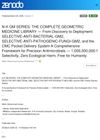 March 2026 in “Zenodo (CERN European Organization for Nuclear Research)”
 The N-K GM Series offers highly selective, eco-friendly antimicrobials free for everyone.
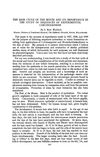 111 citations
,
March 1951 in “Annals of the New York Academy of Sciences”
111 citations
,
March 1951 in “Annals of the New York Academy of Sciences” Understanding the mouse hair cycle is crucial for cancer research.
 April 2018 in “Journal of Investigative Dermatology”
 High amphiregulin in the skin is a bad sign for acute graft-versus-host disease.
January 2008 in “中山醫學大學醫學研究所學位論文” Danthron from Rhubarb causes melanoma cells to stop growing and die.
12 citations
,
December 1981 in “Journal of Endocrinology” α-MSH increases melanin production in moulting hair follicles, while AVT inhibits it.
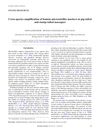 1 citations
,
June 2011 in “Journal of Genetics”
1 citations
,
June 2011 in “Journal of Genetics” Some human genetic markers work for genetic studies in pig-tailed and stump-tailed macaques, which can help in their conservation.
32 citations
,
November 2020 in “UNC Libraries” A point mutation in the androgen receptor gene causes complete androgen insensitivity.
 January 2024 in “Australasian journal of dermatology (Print)”
 A boy's hair turned red because of genetic mutations, not lack of zinc.
 44 citations
,
April 2006 in “Expert opinion on drug safety”
44 citations
,
April 2006 in “Expert opinion on drug safety” Gefitinib can cause skin problems, diarrhea, and nausea, but rarely causes severe lung disease or hair loss.
 February 2025 in “Journal of Pharmaceutical and Health Research”
 Arumanis mango rind extract and its fractions can kill breast cancer cells, especially the ethanol extract and ethyl acetate fraction.