41 citations
,
December 2019 in “Science Translational Medicine” Anti-EGFR therapy can cause skin issues, but FGF7 treatment might help.
 24 citations
,
June 2016 in “Acta dermato-venereologica”
24 citations
,
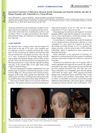
June 2016 in “Acta dermato-venereologica” Tofacitinib helped a young woman's severe hair loss and arthritis but not her plaque psoriasis.
September 2017 in “The journal of investigative dermatology/Journal of investigative dermatology” EGFR inhibitors cause skin issues and hair loss by weakening skin defenses, suggesting antibiotics and targeted treatments can help.
2 citations
,
July 2023 in “International Journal of Clinical and Experimental Medicine Research” Combining CAF regimen with fufangbanmao capsules improves thyroid cancer treatment outcomes and reduces side effects.
1 citations
,
March 2021 in “Journal of Investigative Dermatology” Sirolimus can reduce tumor cell size in TSC-related skin tumors, but continuous treatment is needed to maintain benefits.
 April 2026 in “Human Genome Variation”
 The MBTPS2 gene variant c.970+5G>A is a common mutation causing IFAP syndrome.
1 citations
,
April 2012 in “Cancer Research” Antizyme reduces tumor growth and normalizes skin cell development affected by MEK.
 July 2012 in “European journal of cancer”
 MPA increases cancer spread by boosting Eph A2 activity.
The document concluded that certain compounds might strongly bind to and potentially inhibit a key SARS-CoV-2 protein, but further testing is needed.
4 citations
,
November 2020 in “Acta Dermato Venereologica” Tofacitinib effectively improved severe skin symptoms in a patient with Hypohidrotic Ectodermal Dysplasia.
4 citations
,
January 2025 in “JAAD reviews.” Janus kinase inhibitors are promising for treating scarring alopecia, but more research is needed for safety and personalized treatments.
 26 citations
,
December 2020 in “Nature metabolism”
26 citations
,
December 2020 in “Nature metabolism” Rapamycin treatment helps with mitochondrial disease by reducing PKC levels.
33 citations
,
January 2018 in “Blood” Ruxolitinib helps protect skin stem cells and keeps skin healthy in mice with skin GVHD.
 2 citations
,
October 2018 in “Springer eBooks”
2 citations
,
October 2018 in “Springer eBooks” Cancer treatments can cause skin-related side effects that may affect patient quality of life and require changes in treatment.
2 citations
,
January 2025 in “Journal of Oncology Pharmacy Practice” Pembrolizumab can cause unusual eyelash growth, but it may still be worth continuing if cancer treatment is effective.
32 citations
,
May 2018 in “Journal of the American Academy of Dermatology” Skin reactions from cancer treatments might predict how well the treatments work.
November 2025 in “Journal of Investigative Dermatology” June 2026 in “Strathprints: The University of Strathclyde institutional repository (University of Strathclyde)” Topical IKKα inhibitors may help prevent CCS tumours.
 1 citations
,
October 2025 in “Cureus”
1 citations
,
October 2025 in “Cureus” Ritlecitinib may cause severe musculoskeletal pain in some alopecia universalis patients.
9 citations
,
March 2022 in “Journal of Chemical Information and Modeling” New inhibitors may reduce gut toxicity from cancer drugs.
2 citations
,
September 2024 in “Expert Opinion on Drug Metabolism & Toxicology” Ritlecitinib is an effective new treatment for Alopecia Areata.
 June 2023 in “British Journal of Dermatology”
 Baricitinib was effective in treating severe and very severe alopecia areata after 52 weeks.
January 2026 in “Dermatologica Sinica” New and repurposed treatments are improving outcomes in dermatology.
 January 2025 in “SKIN The Journal of Cutaneous Medicine”
 Some patients on Baricitinib for alopecia areata lost response, often linked to longer and more severe initial conditions.
March 2023 in “International Journal of Trichology” A man developed temporary hair loss after taking a cancer drug, which might indicate a better treatment response.
 April 2024 in “Journal of asthma and allergy”
 Abrocitinib effectively treated severe atopic dermatitis and mild alopecia areata in a 12-year-old boy after dupilumab failed.
 February 2023 in “Journal of Korean Medical Association”
 Targeted cancer therapies can cause new side effects, requiring careful monitoring and management to ensure patient safety.
169 citations
,
September 2002 in “British journal of dermatology/British journal of dermatology, Supplement” ZD1839 (Iressa) causes skin and hair side effects, treatable with tretinoin cream and minocycline.
 March 2026 in “Journal of Translational Autoimmunity”
 Ruxolitinib helps regrow hair in alopecia areata by blocking inflammation, reducing stress, and controlling cell death.
November 2024 in “SKIN The Journal of Cutaneous Medicine” Baricitinib slightly increased cholesterol levels in alopecia areata patients, but these changes were manageable.