 174 citations
,
November 2016 in “Cell stem cell”
174 citations
,
November 2016 in “Cell stem cell” Different types of skin cells have unique genetic markers that affect how likely they are to spread cancer.
 113 citations
,
September 2005 in “Journal of Investigative Dermatology”
113 citations
,
September 2005 in “Journal of Investigative Dermatology” Applying a special compound can promote hair growth without harmful side effects.
 66 citations
,
July 2015 in “Organogenesis”
66 citations
,
July 2015 in “Organogenesis” Wnt signaling is crucial for skin wound healing and reducing scars.
 56 citations
,
February 2010 in “PLOS ONE”
56 citations
,
February 2010 in “PLOS ONE” Blocking Wnt signaling in young mice causes thymus shrinkage and cell loss, but recovery is possible when the block is removed.
 32 citations
,
February 1998 in “The journal of investigative dermatology/Journal of investigative dermatology”
32 citations
,
February 1998 in “The journal of investigative dermatology/Journal of investigative dermatology” Two specific hair keratin genes are active during hair growth and decline as hair transitions to rest.
 15 citations
,
February 2021 in “Scientific Reports”
15 citations
,
February 2021 in “Scientific Reports” RNA aptamers can specifically block FGF5-related cell growth, potentially treating related diseases or hair disorders.
 1 citations
,
January 2018 in “Recent clinical techniques, results, and research in wounds”
1 citations
,
January 2018 in “Recent clinical techniques, results, and research in wounds” Using developmental signaling pathways could improve adult wound healing by mimicking scarless embryonic healing.
 1 citations
,
September 2016 in “Journal of Dermatological Science”
1 citations
,
September 2016 in “Journal of Dermatological Science” FGF18 treatment during hair's resting phase can protect against hair loss from radiation.
 January 2026 in “Frontiers in Bioscience-Landmark”
 Araliadiol protects skin cells from damage by boosting antioxidant defenses.
 September 2016 in “Journal of Dermatological Science”
 Wnt-10b is important for keeping mouse skin cells healthy for hair growth.
 77 citations
,
February 2017 in “Stem Cell Reports”
77 citations
,
February 2017 in “Stem Cell Reports” SHISA6 helps maintain certain stem cells in mouse testes by blocking signals that would otherwise cause them to differentiate.
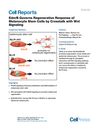 59 citations
,
April 2016 in “Cell Reports”
59 citations
,
April 2016 in “Cell Reports” EdnrB signaling helps melanocyte stem cells regenerate and could be targeted to treat pigmentation issues.
 6 citations
,
November 2011 in “Journal of Dermatological Science”
6 citations
,
November 2011 in “Journal of Dermatological Science” A new gene mutation may allow some piebaldism patients to regain skin color in white patches.

Plant roots respond to fungus smells by possibly using certain proteins and a plant hormone to change root growth, but more research is needed.
 40 citations
,
February 2005 in “Fertility and Sterility”
40 citations
,
February 2005 in “Fertility and Sterility” Some women with PCOS have CYP21 mutations and IRS1 variants, but these genetic factors are not major contributors to PCOS.
 25 citations
,
November 2014 in “Ageing Research Reviews”
25 citations
,
November 2014 in “Ageing Research Reviews” Skin aging is caused by stem cell damage and can potentially be delayed with treatments like antioxidants and stem cell therapy.
 19 citations
,
January 2015 in “Scientific Reports”
19 citations
,
January 2015 in “Scientific Reports” GPR39 is linked to certain cells in the sebaceous gland and helps with skin healing.
 9 citations
,
May 2019 in “Experimental Cell Research”
9 citations
,
May 2019 in “Experimental Cell Research” HPV genes and estradiol increase a cancer-related signaling pathway, which may be targeted for cervical cancer treatment.
 14 citations
,
June 2021 in “Expert Opinion on Therapeutic Patents”
14 citations
,
June 2021 in “Expert Opinion on Therapeutic Patents” New patents show progress in developing drugs targeting the Wnt pathway for diseases like cancer and hair loss.
 271 citations
,
March 1999 in “Developmental biology”
271 citations
,
March 1999 in “Developmental biology” The research shows that a gene called Wnt3 affects hair growth and structure, causing short hair and balding when overactive.
 260 citations
,
December 2012 in “Cold Spring Harbor Perspectives in Biology”
260 citations
,
December 2012 in “Cold Spring Harbor Perspectives in Biology” Wnt signaling is crucial for skin development and health, and its disruption can cause skin diseases.
 232 citations
,
June 2012 in “Cold Spring Harbor Perspectives in Biology”
232 citations
,
June 2012 in “Cold Spring Harbor Perspectives in Biology” Wnt signaling helps heal injuries and could lead to new treatments.
 188 citations
,
May 2009 in “Plant physiology”
188 citations
,
May 2009 in “Plant physiology” Researchers found 19 genes important for root hair growth in a plant called Arabidopsis.
 139 citations
,
December 2020 in “Cell Stem Cell”
139 citations
,
December 2020 in “Cell Stem Cell” Male hormones affect COVID-19 severity and certain drugs targeting these hormones could help reduce the risk.
 99 citations
,
July 2012 in “PLoS Genetics”
99 citations
,
July 2012 in “PLoS Genetics” A mutation in the KRT75 gene causes frizzle feathers in chickens.
 74 citations
,
January 2013 in “Journal of Investigative Dermatology”
74 citations
,
January 2013 in “Journal of Investigative Dermatology” Four genetic risk spots found for hair loss, with WNT signaling involved and a link to curly hair.
 73 citations
,
June 2001 in “Endocrinology”
73 citations
,
June 2001 in “Endocrinology” Prolactin affects when mice shed and grow hair.
 52 citations
,
November 2003 in “Journal of Investigative Dermatology”
52 citations
,
November 2003 in “Journal of Investigative Dermatology” Different harmful mutations in the CDH3 gene cause HJMD, but symptoms vary among individuals.
 44 citations
,
November 2009 in “Archives of Dermatology”
44 citations
,
November 2009 in “Archives of Dermatology” CYLD mutations cause a variety of skin tumors with symptoms starting around age 16, and treatments are currently limited.
 39 citations
,
March 2018 in “Archives of Dermatological Research”
39 citations
,
March 2018 in “Archives of Dermatological Research” Androgens may block hair growth signals, targeting this could treat hair loss.