 October 2019 in “Asian Journal of Research in Animal and Veterinary Sciences”
 Young horses are more prone to a fungal infection causing hair loss and skin redness.
 November 2018 in “International Journal of Research in Dermatology”
 Teaching kids about hygiene can reduce scalp infections.

A thorough skin history and examination are essential for diagnosing and treating skin conditions effectively.
 April 2017 in “The journal of investigative dermatology/Journal of investigative dermatology”
 QMSI is a valuable method for studying drug penetration in skin tissues.
April 2017 in “The journal of investigative dermatology/Journal of investigative dermatology” Topical Vorinostat shows promise for treating alopecia areata by promoting hair regrowth.
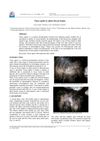
An adult Libyan woman was successfully treated for a rare scalp infection usually seen in children.
 January 2016 in “Journal of the turkish academy of dermatology”
 Acne was the most common skin problem in kids, with other conditions like warts and eczema also frequent, varying by age and gender.
 December 2014 in “Berkala Ilmu Kesehatan Kulit dan Kelamin”
 Griseofulvin effectively treats tinea capitis kerion type.
 January 2009 in “Springer eBooks”
 The document concludes that treating skin conditions should include psychological care and a multidisciplinary approach is essential for effective management.
 June 2008 in “Springer eBooks”
 The document concludes that permanent hair loss conditions are complex, require early specific treatments, and "secondary permanent alopecias" might be a more accurate term than "secondary cicatricial alopecia."
 February 2008 in “Expert Review of Dermatology”
 Seborrheic dermatitis significantly lowers quality of life, especially in young people, women, and those with higher education.
 February 2006 in “Journal of The American Academy of Dermatology”
 Terbinafine is more effective than itraconazole for toenail fungus, especially in older patients, and debridement improves its effectiveness.
 February 2006 in “Journal of The American Academy of Dermatology”
 Most patients with anal Pemphigus Vulgaris had repeated episodes but fully recovered with treatment, without long-term problems.
 June 1997 in “Australasian Journal of Dermatology”
 Researchers found new hair and nail genes, how hair reacts to UV, differences in white and pigmented hair growth, nerve changes in alopecia, treatments for baldness and alopecia, a toenail condition linked to a genetic disorder, and that nail fungus is more common in people with psoriasis.
 9 citations
,
February 2018 in “Journal of The American Academy of Dermatology”
9 citations
,
February 2018 in “Journal of The American Academy of Dermatology” Researchers developed a new method using methylene blue staining to more accurately identify the growth stage of human hair follicles.
97 citations
,
January 1996 in “Clinical infectious diseases/Clinical infectious diseases (Online. University of Chicago. Press)” Fluconazole is somewhat effective for skin-related sporotrichosis but less so for severe forms, and should be a backup treatment.
September 1989 in “PubMed” The method allows detailed observation of hair tissue structures.
January 1991 in “Acta Dermato Venereologica” A new method effectively visualizes keratin in hair without harsh chemicals.
 46 citations
,
January 2009 in “Textile Research Journal”
46 citations
,
January 2009 in “Textile Research Journal” Researchers developed a new method to identify animal hair in textiles, which is effective for various fibers and more reliable than previous methods.
 March 2026 in “Zenodo (CERN European Organization for Nuclear Research)”
 The N-K GM Series offers highly selective, eco-friendly antimicrobials free for everyone.
32 citations
,
February 2018 in “Spectrochimica acta. Part A, Molecular and biomolecular spectroscopy” Cosmetic residues on individual hairs can be identified and differentiated using ATR FT-IR microspectroscopy.
5 citations
,
July 1999 in “Journal of Anatomy” Methylene blue staining effectively reveals detailed nerve structures in rat snouts.
March 2026 in “Mendeley Data” March 2026 in “Mendeley Data” June 2023 in “Journal of Biosciences and Health” Healthy dogs and cats often carry skin fungi without showing symptoms, which can spread to others.
 September 2022 in “Medical Mycology”
 Three different methods were compared for creating Titan cells, a type of fungus cell. The OZ method made the most cells initially, but the number dropped quickly. The EB method also made a lot of cells, but the number also dropped. The AA method made fewer cells, but the number stayed steady. The methods also affected which genes were active in the cells.
23 citations
,
January 2014 in “Evidence-based Complementary and Alternative Medicine” Mushroom beta-glucans from Ganoderma lucidum can reduce tumor size and metastasis in cancer.
December 2024 in “Skin Appendage Disorders” Accurate diagnosis and treatment improved symptoms in a patient with alopecia linked to mycosis fungoides.
5 citations
,
March 2022 in “STAR Protocols” The method helps study hair follicle stem cells and calcium signals in mouse skin.