 10 citations
,
August 2016 in “Oxford Medical Case Reports”
10 citations
,
August 2016 in “Oxford Medical Case Reports” Tocilizumab therapy may cause skin and hair conditions like halo naevi, vitiligo, and alopecia areata.
 December 2024 in “Journal of Clinical Medicine of Kazakhstan”
 Vitiligo treatments include JAK inhibitors, UVB phototherapy, and dietary changes, with emotional support being important.
No cure exists for alopecia areata; treatments aim to manage symptoms.
September 2014 in “Genes and Cells” Genetically modified umbilical cord blood cells improved skin wound healing in rats.
 November 2021 in “Research Square (Research Square)”
 A 532 nm laser at 15 J/cm2 speeds up tendon healing by increasing tendon stem cell growth and tendon-related gene activity.
 September 2022 in “Journal of Ayub Medical College Abbottabad”
 Steroid injections are more effective than platelet rich plasma for treating patchy hair loss.
 6 citations
,
September 2019 in “Skin pharmacology and physiology”
6 citations
,
September 2019 in “Skin pharmacology and physiology” RCS-01 therapy is safe and may improve skin structure by affecting gene expression.
7 citations
,
August 2020 in “Current topics in medicinal chemistry” New cancer treatments aim to reduce side effects and improve effectiveness.
5 citations
,
June 2022 in “Journal of Oncology” Blocking the Hedgehog pathway may help overcome drug resistance in multiple myeloma.
15 citations
,
April 1997 in “Muscle & Nerve” 5 citations
,
April 1997 in “Muscle & Nerve” January 2017 in “DOAJ (DOAJ: Directory of Open Access Journals)” Botulinum toxin type A did not help regrow hair in severe alopecia cases.
 157 citations
,
December 2015 in “Journal of the American Academy of Dermatology”
157 citations
,
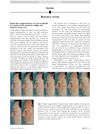
December 2015 in “Journal of the American Academy of Dermatology” A man with vitiligo and alopecia saw quick skin and hair improvement with ruxolitinib, but skin color gains were lost after stopping treatment.
October 2025 in “Journal of Drug Delivery Science and Technology” Resveratrol-loaded carriers may help reduce hair loss from chemotherapy when used with scalp cooling.
 May 2017 in “Journal of The American Academy of Dermatology”
 595 nm pulsed dye laser is a cost-effective treatment for nonmelanoma skin cancer with a low recurrence rate.
November 2025 in “Journal of Investigative Dermatology” Certain CD8+ T cells attack hair follicles in alopecia areata, suggesting they could be targeted for treatment.
 March 2026 in “Clinical Cosmetic and Investigational Dermatology”
 The combination therapy is safe and more effective for treating pediatric facial and cervical vitiligo.
July 2025 in “International Journal of Trichology” Intralesional methotrexate and triamcinolone acetonide are more effective than Vitamin D3 for treating alopecia areata.
 April 2024 in “The Indonesian Biomedical Journal”
 Melanocyte stem cells from non-affected skin in vitiligo patients can become functional melanocytes for potential therapy.
 May 2026 in “Research Square”
 Combining scalp cooling with a special lotion helps prevent severe hair loss in breast cancer patients undergoing chemotherapy.
November 2025 in “The Journal of Immunology” The S1PR 1&4 modulator may effectively treat alopecia areata by reducing hair loss and immune cell activity.
 January 2025 in “Frontiers in Medicine”
 Hair follicles are key to treating vitiligo and alopecia areata, but challenges exist.
 28 citations
,
March 2017 in “Scientific Reports”
28 citations
,
March 2017 in “Scientific Reports” Minoxidil may protect nerves and improve hair quality during paclitaxel treatment.
 February 2026 in “Oncology Reviews”
 Sacituzumab tirumotecan shows promise in treating breast cancer with manageable side effects.
19 citations
,
November 2015 in “Radiation Oncology” Hippocampus sparing whole brain radiation therapy prevents hair loss and preserves cognitive function.
Activating certain cells in hair follicles can prevent hair loss caused by cancer treatments.
26 citations
,
March 2017 in “Aesthetic plastic surgery” Accidental injection of hyaluronic acid caused temporary hair loss and skin damage, but treatment restored hair and healed the skin.
21 citations
,
January 2021 in “Frontiers in Pharmacology” Thiopurines help treat IBD but require genetic testing to avoid side effects.
 39 citations
,
November 2015 in “Pediatric Nephrology”
39 citations
,
November 2015 in “Pediatric Nephrology” Rituximab leads to longer remission and fewer side effects than cyclophosphamide.
 1 citations
,
February 2024 in “Journal of Modern Oncology”
1 citations
,
February 2024 in “Journal of Modern Oncology” Scalp cooling helps prevent hair loss during chemotherapy for breast cancer.