September 2006 in “Experimental Dermatology” Targeting multiple pathways and understanding genetic mutations are crucial for effective melanoma therapy.
19 citations
,
June 2020 in “BMC Cancer” Trichilemmal carcinoma shares genetic changes with other skin cancers, suggesting similar causes and potential treatments.
 May 2020 in “Research Square (Research Square)”
 Trichilemmal carcinoma shares genetic traits with other skin cancers, suggesting similar treatment options.
 April 2020 in “Research Square (Research Square)”
 Trichilemmal carcinoma shares genetic traits with other skin cancers, suggesting similar treatment options.
January 2005 in “Enlighten: Publications (The University of Glasgow)” Melanocyte pathology requires keratinocyte hyperplasia and regulation dysfunction.
37 citations
,
November 2017 in “Medical Sciences” Melanoma's complexity requires personalized treatments due to key genetic mutations and tumor-initiating cells.
1 citations
,
July 2024 in “Journal of Investigative Dermatology” Immune cells boost stem cell activity in hairy moles, causing more hair growth.
Loss of Dnmt3a and Dnmt3b leads to more aggressive skin tumors, but blocking PPAR-γ can reduce this effect.
1 citations
,
May 2024 in “Pediatric Blood & Cancer” Trametinib can effectively treat severe kaposiform lymphangiomatosis when other treatments fail.
 21 citations
,
February 2013 in “Clinics in Dermatology”
21 citations
,
February 2013 in “Clinics in Dermatology” New treatments for advanced skin cancer are improving patient outcomes, but drug resistance and finding the right treatment combinations are still big challenges.
 December 2022 in “Research Square (Research Square)”
 The QuantAnts machines can find cancer markers and create CRISPR targets for them.
 April 2016 in “Journal of Investigative Dermatology”
 Decreasing MIG6 can increase the movement and invasiveness of MEK-inhibited mutant NRAS melanoma, particularly when stimulated by EGF.
 49 citations
,
October 2009 in “Cancer research”
49 citations
,
October 2009 in “Cancer research” Disrupting Stat3 in hair follicle stem cells greatly reduces skin tumor formation.

Inhibiting AP-1 changes skin tumor types and affects tumor cell identity.

Inhibiting AP-1 changes skin tumor types and affects tumor cell identity.
 9 citations
,
January 2018 in “Acta Clinica Croatica”
9 citations
,
January 2018 in “Acta Clinica Croatica” Bendamustine, often combined with other drugs, is effective and less toxic for certain blood cancers, but less effective for young, fit patients with CLL.
 April 2016 in “Journal of Investigative Dermatology”
 SOX4 is crucial for the development of melanoma.
 1 citations
,
January 2016 in “Elsevier eBooks”
1 citations
,
January 2016 in “Elsevier eBooks” The document concludes that identifying the specific cells where skin cancers begin is important for creating better prevention, detection, and treatment methods.
 1 citations
,
April 2016 in “Journal of Investigative Dermatology”
1 citations
,
April 2016 in “Journal of Investigative Dermatology” UV photography can help identify people at higher risk for skin cancer, and male pattern baldness at age 45 is linked to a higher risk of certain skin cancers.
70 citations
,
August 2006 in “Cancer Research” AP-1 controls tumor cell type by affecting key signaling pathways.
 11 citations
,
March 2014 in “Journal of Investigative Dermatology”
11 citations
,
March 2014 in “Journal of Investigative Dermatology” Genetic mutation and carcinogen treatment are both needed for skin cancer to develop in these specific mice.
3 citations
,
November 2011 in “Small GTPases” Researchers found that hair follicle stem cells can become squamous cell carcinoma due to Ras activation, which could lead to new treatments.
380 citations
,
March 2000 in “Proceedings of the National Academy of Sciences” Overexpressing GLI-1 in mice skin can cause tumors like human basal cell carcinomas.
333 citations
,
March 2000 in “Proceedings of the National Academy of Sciences” Overexpressing GLI-1 in mice skin can cause tumors like human basal cell carcinomas.
 1 citations
,
February 2009 in “Journal of Investigative Dermatology”
1 citations
,
February 2009 in “Journal of Investigative Dermatology” VEGF helps squamous cell carcinoma grow in ways beyond just blood vessel formation.
 June 2026 in “International Journal of Molecular Sciences”
 Targeting the Warburg effect in anaplastic thyroid carcinoma may reduce tumor growth and improve treatment.
 73 citations
,
June 2010 in “PLoS Genetics”
73 citations
,
June 2010 in “PLoS Genetics” A gene mutation in mice causes hair loss, weak bones, and protein buildup, showing how protein processing issues can lead to diseases.
 1 citations
,
March 2015 in “Journal of the European Academy of Dermatology and Venereology”
1 citations
,
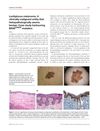
March 2015 in “Journal of the European Academy of Dermatology and Venereology” A clinically suspected melanoma appeared benign under the microscope but was confirmed by specific tests and a rare mutation.
 17 citations
,
September 2019 in “Journal of Cell Biology”
17 citations
,
September 2019 in “Journal of Cell Biology” Hair follicle regeneration may slow tumor growth.
 10 citations
,
September 1997 in “Molecular carcinogenesis”
10 citations
,
September 1997 in “Molecular carcinogenesis” Mirex seems to promote a unique group of skin cells different from those affected by another tumor promoter, TPA.