October 2025 in “Frontiers in Toxicology” A new method effectively predicts estrogen-related health effects for early screening.
 8 citations
,
June 2020 in “The Journal of Clinical Endocrinology and Metabolism”
8 citations
,
June 2020 in “The Journal of Clinical Endocrinology and Metabolism” Taking 5α-reductase inhibitors with prednisolone can worsen its negative effects on metabolism.
20 citations
,
October 1995 in “PubMed” 53 citations
,
October 2011 in “Psychoneuroendocrinology” Finasteride may help improve certain brain function issues linked to dopamine.
13 citations
,
July 2008 in “Biomedical Chromatography” The methods accurately measured brain androgens, showing most 5α-androstane-3α,17β-diol comes from outside the brain, while androsterone is both transported and made in the brain.
April 2017 in “The journal of investigative dermatology/Journal of investigative dermatology” Double stranded RNA helps skin wounds heal by coordinating specific proteins and signaling pathways.
 1 citations
,
January 2015 in “Case reports in endocrinology”
1 citations
,
January 2015 in “Case reports in endocrinology” Women with nonclassical congenital adrenal hyperplasia may have a higher risk of fertility issues and miscarriages, and should get genetic counseling.
 82 citations
,
July 2011 in “Journal of Neuroscience”
82 citations
,
July 2011 in “Journal of Neuroscience” Ethanol boosts brain steroid production by activating NMDA receptors, affecting memory formation.
January 2011 in “Medical Recapitulate” 5α-reductase enzyme affects hormone levels, influencing conditions like acne and hair loss.
Targeting the PGI2 pathway may help heal diabetic foot ulcers.
1 citations
,
August 2019 in “Journal of Investigative Dermatology” PRDX5 enzyme may contribute to alopecia areata by affecting oxidative stress and autoimmunity.
7 citations
,
July 2001 in “Endocrinology” Vitamin D 1α-hydroxylase is crucial for bone health and vitamin D metabolism.
 1 citations
,
April 2022 in “AACE clinical case reports”
1 citations
,
April 2022 in “AACE clinical case reports” A 36-year-old person with a female appearance but male chromosomes was diagnosed with a rare enzyme deficiency affecting sexual development.
8 citations
,
May 2020 in “Arthritis research & therapy” DHT inhibition may increase spinal bone growth in ankylosing spondylitis.
October 2016 in “Letters in Drug Design & Discovery” 18 citations
,
April 2010 in “Journal of steroid biochemistry and molecular biology/The Journal of steroid biochemistry and molecular biology” The vitamin D receptor helps regulate skin and hair health independently of its usual vitamin D ligand.
 4 citations
,
September 2010 in “Medical Hypotheses” 87 citations
,
March 2017 in “Journal of Clinical Investigation”
4 citations
,
September 2010 in “Medical Hypotheses” 87 citations
,
March 2017 in “Journal of Clinical Investigation” PSENEN gene mutations can cause both Dowling-Degos disease and acne inversa.
1 citations
,
January 1978 in “PubMed” Certain chemical changes to cortisol and progesterone can increase or decrease their ability to inhibit hair growth.
 12 citations
,
May 2003 in “Journal of dermatological science”
12 citations
,
May 2003 in “Journal of dermatological science” Hsc70 protein may influence hair growth by responding to androgens.
 April 1992 in “Current opinion in therapeutic patents”
 New steroids were patented as effective for treating acne, hair loss, and other conditions related to hormones.
 93 citations
,
February 2009 in “Annals of the New York Academy of Sciences”
93 citations
,
February 2009 in “Annals of the New York Academy of Sciences” 5α‐reductase isozymes are crucial for prostate development and health, and targeting them can help prevent and treat prostate issues.
January 2020 in “Figshare” Finasteride worsens heart damage but reduces cell toxicity caused by nandrolone decanoate.
164 citations
,
January 2003 in “Drugs” 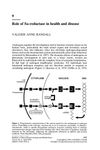 101 citations
,
April 1994 in “Baillière's clinical endocrinology and metabolism”
101 citations
,
April 1994 in “Baillière's clinical endocrinology and metabolism” 5α-reductase is essential for male sexual development and its inhibitors have potential in treating various conditions related to hormone action.
151 citations
,
June 2010 in “Endocrinology and metabolism clinics of North America” Two rare genetic diseases cause severe rickets in children due to defects in vitamin D metabolism.
27 citations
,
February 2005 in “Journal of Cellular Biochemistry” Male cells need DHT to respond to testosterone, while female cells do not.
July 2024 in “Journal of Investigative Dermatology” DS-2325a is safe and well-tolerated, supporting further development for Netherton Syndrome treatment.
June 2025 in “British Journal of Dermatology” Topical minoxidil may help improve hair growth in rare congenital hypotrichosis.
Latanoprost increases VEGF protein in human cells, which may help hair growth.