 November 2023 in “International Journal of Pharmaceutics”
 The new delivery system improves treatment for hair loss by enhancing drug absorption and effectiveness.
December 2022 in “Zenodo (CERN European Organization for Nuclear Research)” Tofacitinib effectively treated severe alopecia areata in a 14-year-old girl.
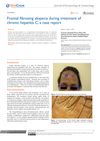 September 2017 in “Journal of Dermatology & Cosmetology”
 Hepatitis C treatment may cause frontal fibrosing alopecia.
March 2014 in “Oxford University Press eBooks” Fludalanine failed as an effective oral antibiotic despite efforts.
2 citations
,
January 2016 in “Dermatology online journal” A 46-year-old man was diagnosed with frontal fibrosing alopecia, a condition usually seen in postmenopausal women.
October 2025 in “Pharmaceuticals” Auranofin shows promise as a cancer treatment, especially when combined with other therapies.
 78 citations
,
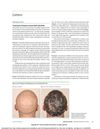
March 2017 in “JAMA Dermatology”
78 citations
,
March 2017 in “JAMA Dermatology” Tofacitinib helped regrow hair in people with severe alopecia, but side effects occurred and benefits stopped after treatment ended.
 February 2024 in “Current Bioactive Compounds”
 The new gel formulation effectively delivers Finasteride for hair growth treatment without skin irritation.
 January 2025 in “Journal of Crohn s and Colitis”
 Tofacitinib is effective and safe for elderly patients with ulcerative colitis.
 May 2024 in “International Seven Journal of Multidisciplinary”
 More research is needed to better understand and treat Fibrosing Frontal Alopecia.
 December 2022 in “Pakistan Journal of Medical and Health Sciences”
 Tofacitinib effectively treats Alopecia Areata.
December 2021 in “International Journal of Medicine in Developing Countries” Topical finasteride's effectiveness for hair loss needs standardized evaluation methods.
13 citations
,
January 2018 in “International Journal of Trichology” Intralesional triamcinolone injections can effectively stop frontal fibrosing alopecia with minimal side effects.
October 2024 in “Skin Appendage Disorders” Higher FABP4 levels may indicate more severe alopecia areata.
 June 2024 in “Journal of Clinical Oncology”
 The combination of TACE and Donafenib is effective and tolerable for treating unresectable liver cancer.
8 citations
,
July 2017 in “The journal of investigative dermatology/Journal of investigative dermatology” Certain microRNAs might help identify and understand Frontal Fibrosing Alopecia.
 August 2021 in “Case Reports”
 A woman thought to have rosacea was actually suffering from Frontal Fibrosing Alopecia, a hair loss condition. Despite treatment, her condition didn't change, showing the importance of accurate early diagnosis.
1 citations
,
February 2025 in “Pediatric Dermatology” Tofacitinib helps hair regrow in some kids with severe alopecia areata, but more research is needed on long-term effects.
13 citations
,
February 2017 in “Clinical rheumatology” Tofacitinib may help treat nail dystrophy, especially when other treatments fail.
 January 2016 in “International journal of advanced research in chemical sciences”
 A new method using NBD-CL can accurately and precisely measure finasteride in medicine, and could be used regularly for quality control in the industry.
2 citations
,
September 2024 in “Asian Journal of Pharmaceutics” Niosomes are effective carriers for targeted drug delivery, improving drug stability and efficiency.
 2 citations
,
January 2023 in “Curēus”
2 citations
,
January 2023 in “Curēus” Low-dose naltrexone may help reduce redness in certain scalp conditions.
 11 citations
,
November 2019 in “Journal of the American Academy of Dermatology”
11 citations
,
November 2019 in “Journal of the American Academy of Dermatology” Oral tofacitinib is a promising treatment for beard hair loss in alopecia areata.
44 citations
,
January 2023 in “New Phytologist” FER and TOR signaling help root hair growth in low temperature and low nitrate conditions.
The new microneedle system improves hair growth in alopecia treatment.
 January 2023 in “National Journal of Physiology, Pharmacy and Pharmacology”
 Tofacitinib effectively reduced hair loss in alopecia areata patients without adverse effects.
 222 citations
,
September 2016 in “JCI insight”
222 citations
,
September 2016 in “JCI insight” Tofacitinib is safe and effective for severe alopecia areata, but hair loss may return 2 months after stopping treatment.
29 citations
,
November 2015 in “Acta Biomaterialia” Infrared light can trigger drug release from gold nanoparticle carriers in hair follicles.
4 citations
,
January 2025 in “Diagnostics” High-frequency ultrasonography helps diagnose and manage hair and nail disorders safely and effectively.
1 citations
,
August 2016 in “kufa journal for nursing sciences” Many elderly in geriatric homes are overweight and show signs of nutritional deficiency, needing better nutrition and education.