 January 2026 in “Dermatology Practical & Conceptual”
 Nail changes are common in alopecia areata and can indicate its severity.
 January 2025 in “International Journal of Dermatology Sciences”
 Nail changes in alopecia areata are common and may indicate severity and genetic risk.
 September 2023 in “Cureus”
 Nails can reveal important health information about skin and body conditions.
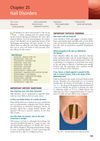 January 2018 in “Elsevier eBooks”
 Different nail disorders are treated by targeting their specific causes and using appropriate medications or protective measures.
Abemaciclib can cause skin, hair, and nail problems, leading some patients to stop using it.
 126 citations
,
January 1987 in “Journal of The American Academy of Dermatology”
126 citations
,
January 1987 in “Journal of The American Academy of Dermatology” The document concludes that understanding hair structure is key to diagnosing hair abnormalities and recommends gentle hair care for management.
 11 citations
,
September 2013 in “Journal of The European Academy of Dermatology and Venereology”
11 citations
,
September 2013 in “Journal of The European Academy of Dermatology and Venereology” People with alopecia areata may be more likely to have a certain type of hearing loss.
 10 citations
,
October 2017 in “Pediatric neurology”
10 citations
,
October 2017 in “Pediatric neurology” Biotin and acetazolamide improved hair and nail growth, mental function, and reduced headaches in a child with autism.
 January 2026 in “Journal of Clinical and Investigative Dermatology”
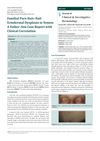
 A father and son in Yemen have a genetic condition causing hair loss and nail problems.
 November 2018 in “The European research journal”
 RDW can be a useful marker for inflammation in alopecia areata patients.
 18 citations
,
March 2004 in “Clinics in Dermatology”
18 citations
,
March 2004 in “Clinics in Dermatology” Lupus can cause hair loss and nail changes, with treatments available for both.
 7 citations
,
December 2008 in “Expert Review of Dermatology”
7 citations
,
December 2008 in “Expert Review of Dermatology” The document concludes that various childhood hair and nail disorders exist, some may improve on their own, and advances in genetics and immunology could enhance treatment and counseling.
 July 2018 in “British Journal of Dermatology”
 Hair regrowth was seen in 83% of children with alopecia, immune system plays a role in the condition, and various treatments showed effectiveness for hair and nail disorders.
 January 2019 in “Global Dermatology”
 Genetic hair shaft abnormalities can be seen with microscopes and often affect scalp hair.
 44 citations
,
January 2005 in “Dermatology”
44 citations
,
January 2005 in “Dermatology” Hair problems can be caused by genetics or the environment, and treatment should focus on the cause and reducing hair damage.
 7 citations
,
January 2017 in “Annals of Dermatology”
7 citations
,
January 2017 in “Annals of Dermatology” Oral cyclosporine combined with Pantogar® effectively treats twenty-nail dystrophy.
 65 citations
,
January 2013 in “Cochrane library”
65 citations
,
January 2013 in “Cochrane library” Some systemic treatments work for nail psoriasis but can have serious side effects.
 114 citations
,
January 2007 in “Drug Safety”
114 citations
,
January 2007 in “Drug Safety” Some drugs can cause skin, nail, and hair problems, which are important for healthcare professionals to recognize and report.
 1 citations
,
July 2016 in “British Journal of Dermatology”
1 citations
,
July 2016 in “British Journal of Dermatology” Men with a certain type of hair loss often use facial moisturizers, and a specific antibiotic treatment may help another hair condition.
 7 citations
,
May 2014 in “Clinical practice”
7 citations
,
May 2014 in “Clinical practice” Cooling the scalp may prevent hair loss from chemotherapy, hair often grows back after treatment, and nail issues usually improve after stopping the drug.
April 2018 in “Journal of Investigative Dermatology” Mutations in Far2 mice cause hair loss due to sebaceous gland issues.
55 citations
,
February 2013 in “The Anatomical Record” Mouse nails are similar to human nails, making them useful for studying nail diseases.
1 citations
,
April 2016 in “Journal of Investigative Dermatology” Patients with Focal Dermal Hypoplasia often experience skin, nail, hair, and bone issues, and may benefit from calcium and vitamin D supplements.
 1 citations
,
January 2013 in “Elsevier eBooks”
1 citations
,
January 2013 in “Elsevier eBooks” The document reviews various hair and nail disorders, their causes, and treatments, emphasizing the need for proper diagnosis and the link between nail changes and systemic diseases.
61 citations
,
April 1980 in “Journal of the American Academy of Dermatology” A new syndrome may link skin, growth, mental, and hair issues.
 42 citations
,
July 2010 in “International Journal of Dermatology”
42 citations
,
July 2010 in “International Journal of Dermatology” Dermatoscopy and videodermatoscopy are useful and reliable for tracking treatment progress in various skin conditions.
 4 citations
,
January 2022 in “Drug design, development and therapy”
4 citations
,
January 2022 in “Drug design, development and therapy” Intramuscular corticosteroids are effective and safe for severe alopecia areata, with most patients regrowing hair, but nearly half may relapse.
 January 2019 in “Medicine Science | International Medical Journal”
 Children with different rheumatologic diseases have specific skin symptoms that can help with diagnosis.
 132 citations
,
July 2000 in “Lupus”
132 citations
,
July 2000 in “Lupus” In Italian patients with lupus, the most common skin issue was chronic cutaneous lupus, especially discoid lesions, and nonspecific skin problems occurred in about a third of those with systemic lupus, mainly during active disease.
 67 citations
,
September 2003 in “Journal of cutaneous pathology”
67 citations
,
September 2003 in “Journal of cutaneous pathology” Skin problems are very common in people with end-stage kidney disease.