February 2017 in “Zenodo (CERN European Organization for Nuclear Research)” Psoriasis is a common skin disorder caused by immune system issues, treatable with various therapies.
7 citations
,
January 2008 in “Indian Journal of Dermatology” Pigmentary mosaicism causes skin color changes and can affect multiple body systems, but has no cure.
 December 2025 in “Portuguese Journal of Dermatology and Venereology”
 Erosive palmoplantar lichen planus in North-East India mainly affects the feet and often involves nails, with unique inflammatory skin changes.
Skin issues are common in kids with chronic kidney disease.
79 citations
,
December 1999 in “Mechanisms of Development” Whn is crucial for hair growth in certain areas by controlling a specific gene.
54 citations
,
November 1994 in “Differentiation” Trichohyalin is found in non-hair tissues and works with filaggrin in certain skin areas and conditions.
 3 citations
,
November 2018 in “Oncology issues”
3 citations
,
November 2018 in “Oncology issues” Cancer survivors often experience worse skin problems from treatment than expected, and working with dermatologists could help improve their condition.
September 2021 in “Pediatrics in review” A baby with KID syndrome died from infections and organ failure at 18 months old.
Isotretinoin effectively improved severe pityriasis rubra pilaris with complications.
101 citations
,
August 2001 in “The Journal of Cell Biology” A new keratin 6 type in mice explains why some mice without certain keratin genes still have normal hair and nails.
 2 citations
,
October 2021 in “Journal of skin and stem cell”
2 citations
,
October 2021 in “Journal of skin and stem cell” Nail disorders are often related to jobs like housework and manual labor, with cosmetic issues being the main concern, and are commonly caused by skin diseases like psoriasis.
 13 citations
,
June 2010 in “Journal of The American Academy of Dermatology”
13 citations
,
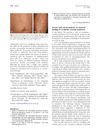
June 2010 in “Journal of The American Academy of Dermatology” A man with Cronkhite-Canada syndrome had all 20 nails detach but improved with treatment.
 41 citations
,
December 2015 in “JAMA Dermatology”
41 citations
,
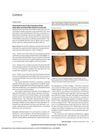
December 2015 in “JAMA Dermatology” Tofacitinib citrate improved nail dystrophy and pain in patients with alopecia universalis without causing side effects.
 18 citations
,
March 2004 in “Clinics in Dermatology”
18 citations
,
March 2004 in “Clinics in Dermatology” Lupus can cause hair loss and nail changes, with treatments available for both.
 11 citations
,
September 2007 in “Advances in therapy”
11 citations
,
September 2007 in “Advances in therapy” INVERSION Femme supplement helped women lose weight, reduce hair loss, and improve skin and nail health.
 10 citations
,
August 2016 in “Anais brasileiros de dermatologia/Anais Brasileiros de Dermatologia”
10 citations
,
August 2016 in “Anais brasileiros de dermatologia/Anais Brasileiros de Dermatologia” Vitiligo patients often have nail problems, so checking their nails is important.
 6 citations
,
September 2017 in “Multiple Sclerosis and Related Disorders”
6 citations
,
September 2017 in “Multiple Sclerosis and Related Disorders” Nail loss may be a side effect of the MS drug teriflunomide.

Abemaciclib can cause skin, hair, and nail problems, leading some patients to stop using it.
 April 2019 in “The journal of investigative dermatology/Journal of investigative dermatology”
 DHT may reduce inflammation caused by certain bacteria in skin cells.
 19 citations
,
January 2018
19 citations
,
January 2018 Most people with alopecia areata have nail changes, which are common but don't greatly affect their quality of life.
 96 citations
,
June 2017 in “Nature Communications”
96 citations
,
June 2017 in “Nature Communications” A WNT10A gene mutation leads to ectodermal dysplasia by disrupting cell growth and differentiation.
 6 citations
,
May 2021 in “Stem Cell Reviews and Reports”
6 citations
,
May 2021 in “Stem Cell Reviews and Reports” Newly found stem cells in horse hooves show promise for treating a hoof disease called laminitis.
 278 citations
,
March 2013 in “Gut”
278 citations
,
March 2013 in “Gut” Anti-IL-12/IL-23 antibody therapy effectively treats psoriasiform skin lesions in IBD patients.
 138 citations
,
February 2007 in “European journal of cancer”
138 citations
,
February 2007 in “European journal of cancer” EGFR inhibitors often cause skin problems and other side effects, but these are usually reversible and can be managed to keep patients comfortable.
 135 citations
,
December 2013 in “Seminars in Cell & Developmental Biology”
135 citations
,
December 2013 in “Seminars in Cell & Developmental Biology” Stem cells in the hair follicle are regulated by their surrounding environment, which is important for hair growth.
 129 citations
,
May 2015 in “Cell Stem Cell”
129 citations
,
May 2015 in “Cell Stem Cell” Different types of stem cells exist within individual skin layers, and they can adapt to damage, transplantation, or tumor growth. These cells are regulated by their environment and genetic factors. Tumor growth is driven by expanding, genetically altered cells, not long-lived mutant stem cells. There's evidence of cancer stem cells in skin tumors. Other cells, bacteria, and genetic factors help maintain balance and contribute to disease progression. A method for growing mini organs from single cells has been developed.
 101 citations
,
December 2010 in “The journal of investigative dermatology/Journal of investigative dermatology”
101 citations
,
December 2010 in “The journal of investigative dermatology/Journal of investigative dermatology” Scientists turned mouse stem cells into skin cells that can grow into skin layers and structures.
 96 citations
,
April 2007 in “Journal of Investigative Dermatology”
96 citations
,
April 2007 in “Journal of Investigative Dermatology” Grafted rodent and human cells can regenerate hair follicles, but efficiency decreases with age.
 95 citations
,
July 2010 in “Genes & development”
95 citations
,
July 2010 in “Genes & development” Notch/CSL signaling controls hair follicle differentiation through Wnt5a and FoxN1.
 72 citations
,
July 2012 in “Journal of Investigative Dermatology”
72 citations
,
July 2012 in “Journal of Investigative Dermatology” Mice lacking a key DNA methylation enzyme in skin cells have a lower chance of activating stem cells necessary for hair growth, leading to progressive hair loss.