Search
for
Sort by
Research
930-960 / 1000+ results
research Regulation of itch-induced scratching by nucleus accumbens dopamine receptor-expressing neurons
Dopamine receptors in the brain influence itch-related scratching behavior.
research Effect of Rubbing on the Distribution of Topically Applied Drugs into the Hair Follicles
Rubbing increases drug absorption through hair follicles.
research BH03: Systemic sclerosis and frontal fibrosing alopecia: a novel combination of scarring alopecia
A woman with systemic sclerosis developed a unique scarring hair loss combining features of systemic sclerosis and frontal fibrosing alopecia.
research Forthcoming Issues
White wax and its policosanol boost hair growth better than finasteride.
research BH07: Testosterone deficiency in men with female pattern hair loss
Low testosterone levels may contribute to female pattern hair loss in men.
research Effect of Rubbing Application on the Skin Permeation of Active Ingredients from Lotion and Cream
Rubbing skin increases absorption of water-soluble drugs from lotions and creams, but not oil-soluble drugs.
research Sensitive scalp – scratching for a cause and remedy
research Metabolic syndrome
Metabolic syndrome can cause serious health issues and should be considered when treating women with severe acne.
research New allergens for the 21st century
Recognizing new allergens can help reduce contact dermatitis cases.
research Effects of oral minoxidil on nails: a cross‐sectional analysis
research Current status of keratinized matrices in Toxicology: Comparison of hair and nails
Nails could be used to check long-term drug use, but more research is needed.
research A window into the vascular endothelium in COVID-19: Nails
Nailfold dermoscopy is a simple, cheap way to check blood vessel changes in COVID-19 patients.
research Acquired Localized Trichorrhexis Nodosa Secondary to Cultural Practices
Vigorous rubbing of herbal powder on the scalp caused hair damage and loss.

research Tactile and hair-hair friction behavior of hair fibers
Hair feels different when touched and rubs together in various ways.
research Body-focused repetitive behaviors and the dermatology patient
Skin and hair-picking disorders are common and need both skin and mental health treatments.
research Brain allopregnanolone induces marked scratching behaviour in diet-induced atopic dermatitis mouse model
A brain-produced steroid causes increased scratching in mice with a skin condition similar to eczema.
research A case of trichotillomania presenting as a factitious ulcer
Thorough patient interviews are crucial to identify self-inflicted hair loss.
research 43755 Rapid Reduction and Strict Complete Response in Itch With Oral Difelikefalin in Subjects With Notalgia Paresthetica and Moderate-to-Severe Pruritus
Oral difelikefalin significantly reduces itch in notalgia paresthetica.
research Trichotillomania: a good response to treatment with N-acetylcysteine
N-acetylcysteine effectively treats trichotillomania.
research Microneedling as an adjunctive treatment for trichotillomania
Microneedling helps reduce hair-pulling and promotes hair regrowth in trichotillomania patients.
research Diseases of Hair and Nails
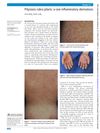
research Pityriasis rubra pilaris: a rare inflammatory dermatosis
An 18-year-old woman was diagnosed with a rare skin condition called Pityriasis rubra pilaris.
research Traumatic Anserine Folliculosis: A Case Report
Avoiding friction and using topical treatments can significantly improve rough skin caused by repeated rubbing.
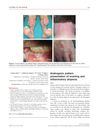
research Androgenic pattern presentation of scarring and inflammatory alopecia
Many people diagnosed with androgenic alopecia might actually have hidden scarring or inflammation.
research Itchy Hair – Trichoknesis: A Variant of Trichodynia or a New Entity?
The conclusion is that "trichoknesis" should be recognized as a separate condition from trichodynia, characterized by itching instead of pain.
research Knismesis: the aversive facet of tickle
Light tickling can be unpleasant and may feel worse for individuals with autism.
research Characteristic intraepidermal nerve fibre endings of the intervibrissal fur in the mystacial pad of the rat: morphological details revealed by intravital methylene blue staining and the zinc iodide‐osmium tetroxide technique
Methylene blue staining effectively reveals detailed nerve structures in rat snouts.
research Characteristic intraepidermal nerve fibre endings of the intervibrissal fur in the mystacial pad of the rat: morphological details revealed by intravital methylene blue staining and the zinc iodide-osmium tetroxide technique
Methylene blue staining effectively highlights detailed nerve structures in rat fur.